
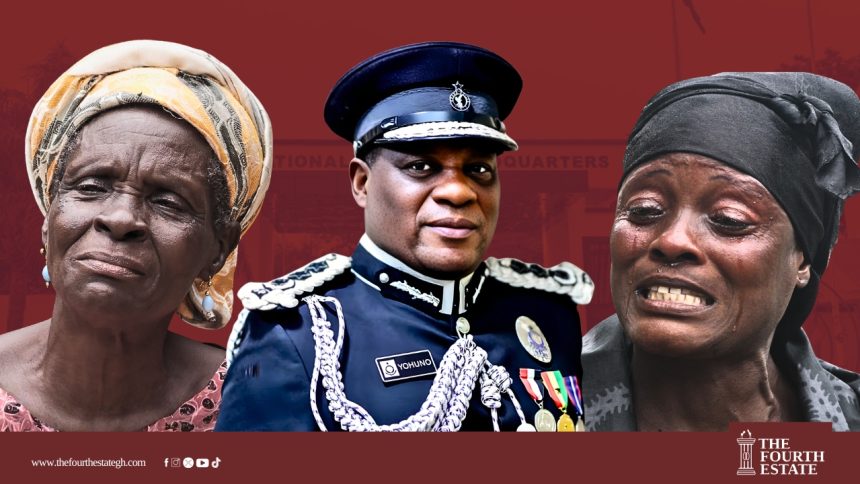
Police custody should be a sanctuary for suspects – yet deaths continue to occur behind its doors. How many people have died in police custody in Ghana from 2020 to 2025? The Fourth Estate sent a Right to Information request to the Ghana Police Service seeking answers. When we received no response after three months, we began digging for answers ourselves.
Through reviewing and cross-checking media reports, we identified that at least 19 people died in police custody during the period from October 2020 to June 2025.
Some cases are deeply disturbing. In one bizarre incident, police officers at Seikwa in the Bono Region secretly buried a suspect who died in custody. The burial only came to light after leaked photographs surfaced, forcing the police to exhume the body. Their explanation: they believed the deceased had no relatives.
In this first part of a four-part investigation, we examine seven deaths across six regions of Ghana.
What we uncovered is chilling, four reported hangings inside police cells, including a minor whose young life ended behind locked doors.
These devastations are not isolated tragedies. They reveal a system in crisis.
Families of victims question the official accounts of the Ghana Police Service.
This investigation amplifies the cries of grieving families, including a Member of Parliament who claims the police have refused to give him answers.
The alleged hanging with trousers story.
Joseph Entsie’s lifeless body was discovered hanging in the Sekondi Police cells on Christmas Day 2021, shattering his family’s hopes for the holiday. The night before, Joseph had left home, against his wife’s tearful pleas, to work the night shift so they could afford a joyous Christmas. For Grace Ofori, Joseph’s determination to provide later turned into unimaginable grief.
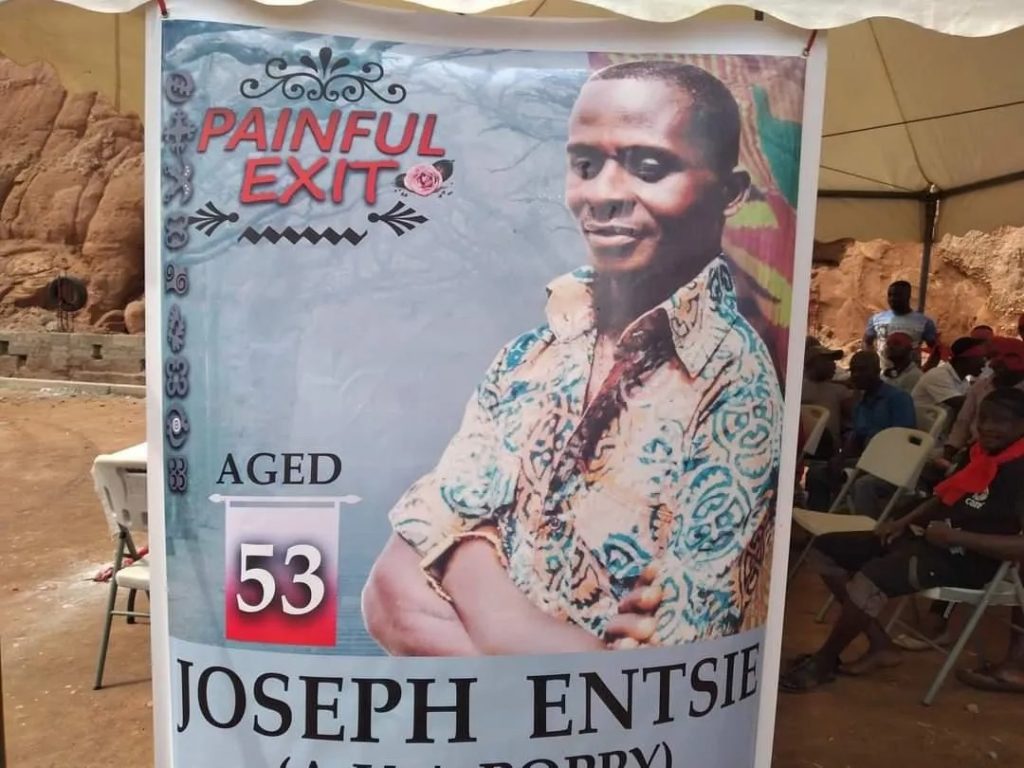
Grace remembers her husband leaving the house in a green T-shirt and black shorts. But the police told the media that Joseph had committed suicide with his own trousers. They said they arrested him around midnight on Christmas Day because he was speeding and had knocked down a police officer in front of the Effia Nkwanta Regional Hospital. By daybreak, Joseph was found with a noose around his neck in police custody.
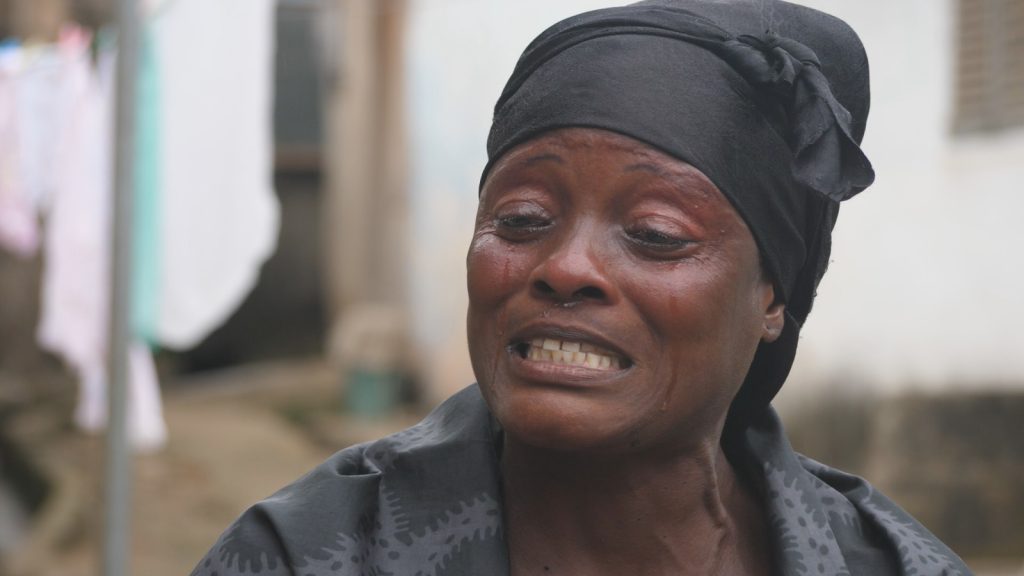
“If I had known, I wouldn’t have let him go to work,” Grace told The Fourth Estate, her voice trembling with grief.
The assemblyman for the Asafo area in Sekondi at the time, Samson K. Darko, said he was suspicious of the police’s narrative. So, in order to confirm that account, he interviewed inmates in the cells to ascertain what killed Joseph.
“The inmates gave three different statements. One claimed that when the driver was brought in, he was staggering and couldn’t talk,” he said. “The other person said that when he came, he was very nice. But, just that at dawn, when he was going to urinate, he saw him talking to himself. And the other person also claimed that when he came, he was drunk.”
Samson said the inmates’ inconsistent narratives heightened his doubt about how Joseph died.
These conflicting accounts infuriated Joseph’s friends – taxi drivers at the Fijai Taxi rank. They besieged the Sekondi Police station for answers, but were met with police warning shots. Still, they stood firm, demanding justice.
According to Joseph’s younger brother, Kwame Appiah, the family approached the Legal Aid office in Takoradi for legal assistance.
Their lawyer, Ebow Donkor, helped them to get an independent autopsy. The results dismantled the police’s narrative. The pathologist, Dr. Isaac J. Erskine, concluded that Joseph bled in his lungs and eventually died due to blunt force applied to his chest.
But the police did not back down. They insisted that Joseph hanged himself.
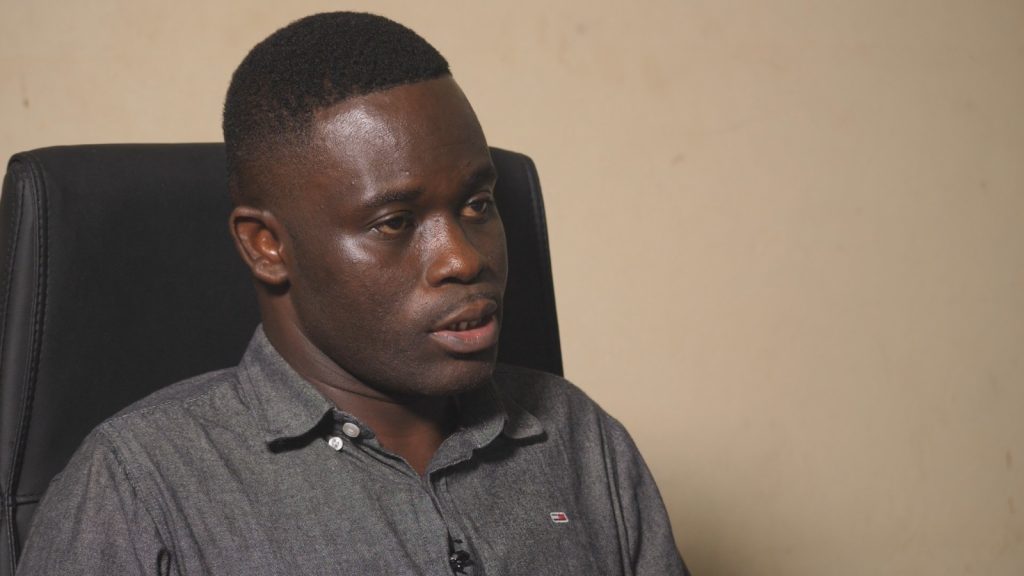
Lawyer Ebow Donkor challenged the police to produce the suicide weapon in court. The police produced an oversized pair of jeans without a belt, with one leg cut at the knee. The court ordered an expert to measure the size of the jeans against Joseph’s waist.
“The jeans were about two times bigger than the deceased,” Mr Donkor said.
At this point, it was obvious that the police’s story had fallen apart, but they still insisted that Joseph was wearing trousers when he was arrested. So, Joseph’s lawyer again requested the CCTV footage from the time he was brought into the station.
“The court ordered the national security to produce the footage of whatever happened. The national security officers came to court in the morning, and they confirmed to me that they have the footage with them,” he said. “Only for them to tell the court they could not capture it.”
Mr Donkor also said he asked the police whether they had taken a full-body photograph of Joseph when he was brought in. The officer in charge, according to him, said yes, but could not produce the said photograph in court.
Despite this, the police continued to hold to their narrative. They ordered another autopsy and produced another autopsy report, which suggested that Joseph died due to hanging.
But the court upheld the first autopsy.
Nearly four years on, Joseph’s body remains in the morgue. His wife says his absence has gravely affected her and their children. Without their landlord’s help, they would have been on the streets.
“Feeding my three children is a daily struggle. I’m suffering. I don’t know where to turn. The government must see my pain and help us,” she cried. The family’s only plea now: justice for Joseph, and punishment for the officer who took his life.
Joseph’s son, Partrick, yearns for the day the case would be settled. He said he can work as a driver to support his family. But his father’s car has been impounded at the Sekondi police station since the incident occurred.
Another suicide in police cells in Mankessim
Like Joseph, Isaac Egyama was also found dead in the Gyedu Police cells in Mankessim in 2023. His mother, Rebecca Eshiru, had lost her only son – the family’s sole breadwinner. In Asaman, a small village in the Central Region, Rebecca’s loud cries fill the air daily. “Sometimes bad thoughts creep into my mind. I want to die,” she sobs, her voice breaking as she clings to his memory.
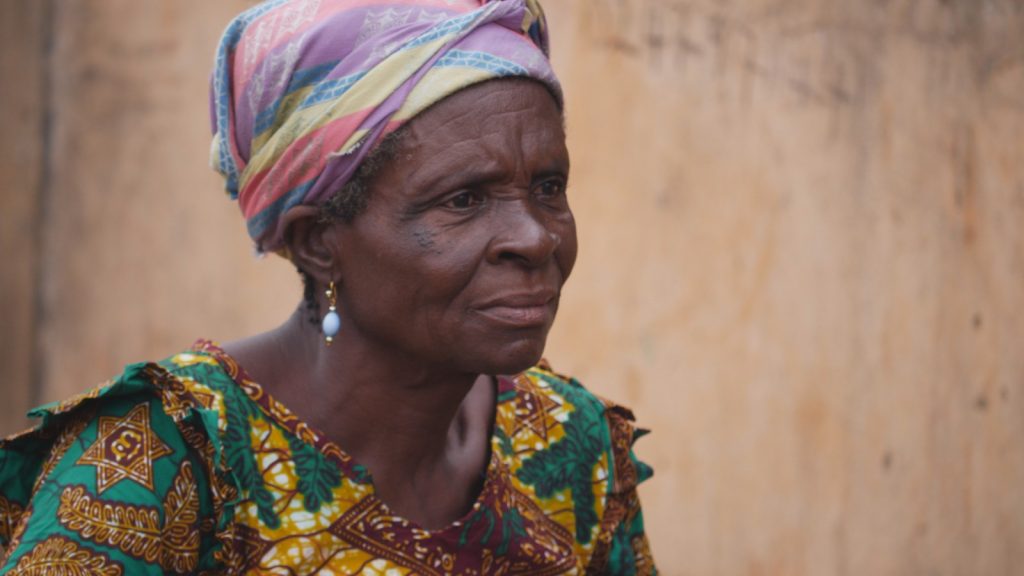
Isaac was a Disc Jockey at Coastal FM in Mankessim and also a taxi driver. The police said they stopped him during a routine road check at Mankessim, but he disobeyed their order. They, therefore, chased and later apprehended him. While in custody, the police claim Isaac used blankets in the cells to hang himself.
His cousin, Kofi Buabeng, said the family doubted the police’s claim, noting the blanket was too weak to hold Isaac’s weight and no evidence was shown.
“I held the blanket and tore a piece of it. It was too easy to tear. It is not something someone can use to hang himself,” he said.
Another relative, Kwabena Amenyin, said the family questioned the police on their account of how Isaac died when they went to the station.
“Truth be told, if you look at the height the police claimed he hanged himself from, you will conclude that it is too short for anyone to die by hanging from that distance. And the rope the police showed us as the suicide weapon was also too short,” he said.
Rebecca described her son as joyful and deeply devoted to his one-year-old son. She said she could not believe that a simple arrest for allegedly refusing to stop at a police checkpoint would drive him to take his own life.
“When the owner of the taxi went there to bail him, the police refused, saying they wanted to teach him a lesson, I hope they are now happy with themselves for teaching him a lesson” she cried.
She recalled the anguish of the moment when the police called their family – not to deliver the news of Isaac’s death, but to say he was ill and had been rushed to the hospital. Only at the hospital were they confronted with the devastating truth: he was gone.
“If we weren’t so poor,” Rebecca said, her voice trembling, “we would have investigated the issue and sued the police.”
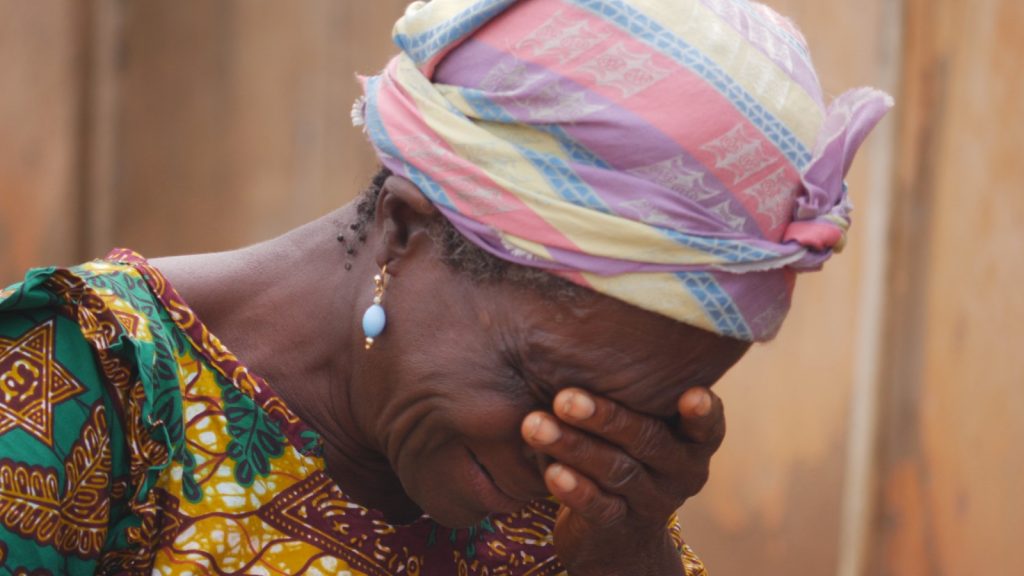
“Initially, we wanted to take the issue to court. People told us to go to court, but poor people do not litigate,” she told The Fourth Estate.
On February 5, 2026 – over four years after Joseph’s death – the Sekondi High Court awarded his family GHS2.2 million in compensation.
Isaac’s family said they were unaware of the Legal Aid Commission’s free legal help. Although Isaac is now buried, Rebecca still hopes to learn the true cause of her son’s death.
The Fourth Estate wrote to the Ghana Police Service for comment. But the service is yet to respond.