

When the Nana Addo Dankwa Akufo-Addo administration centralised property rate collection through a digital platform in 2023, the decision was hailed as an attempt to seal leakages, increase local revenue mobilisation and modernise a struggling system that assemblies had long battled to manage.
Instead, an investigation by The Fourth Estate has revealed that the policy caused a sharp decline in revenue collection across Metropolitan, Municipal and District Assemblies (MMDAs), and raised questions over how much money was collected and transferred to the assemblies under the system.
The policy shifted responsibility for property rate collection from the assemblies to a centralised platform managed by a private company called Digital City Solutions.
Before the transition, some assemblies had already begun implementing their own digital property rate systems under a pilot programme funded by the German International Development Agency (GIZ). The Kumasi Metropolitan Assembly (KMA), for instance, had developed a property and business database to improve local revenue mobilisation.
But those initiatives were halted following the government’s directive.
“We started collecting property rates from businesses, but before we rolled out the residential part, we were asked to hand over to GRA,” Eric Nunoo, the KMA Deputy Director of Budget, told The Fourth Estate.
Digital City Solutions, the company at the centre of the implementation of the new idea, was awarded the contract on May 16, 2022, roughly 10 months after it was incorporated.
The then Vice-President Dr Mahamamudu Bawumia took to Facebook to announce the new digitalisation initiative to be known as the Unified Property Rate Platform.
The platform was expected to rely on a database of about seven million properties nationwide.
However, data obtained by The Fourth Estate through Right to Information requests from some assemblies showed that revenues dropped sharply after the centralised system took effect.
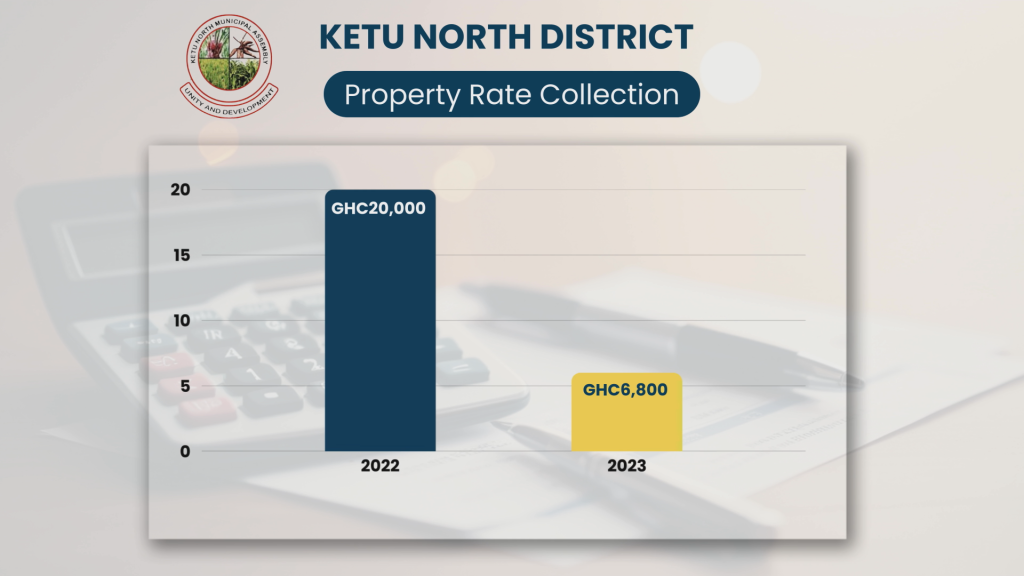
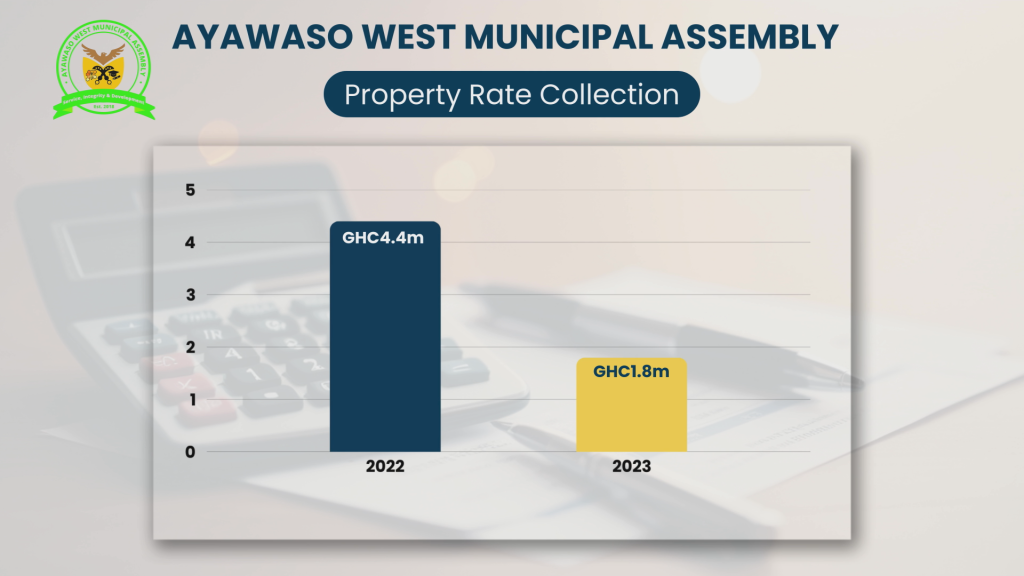
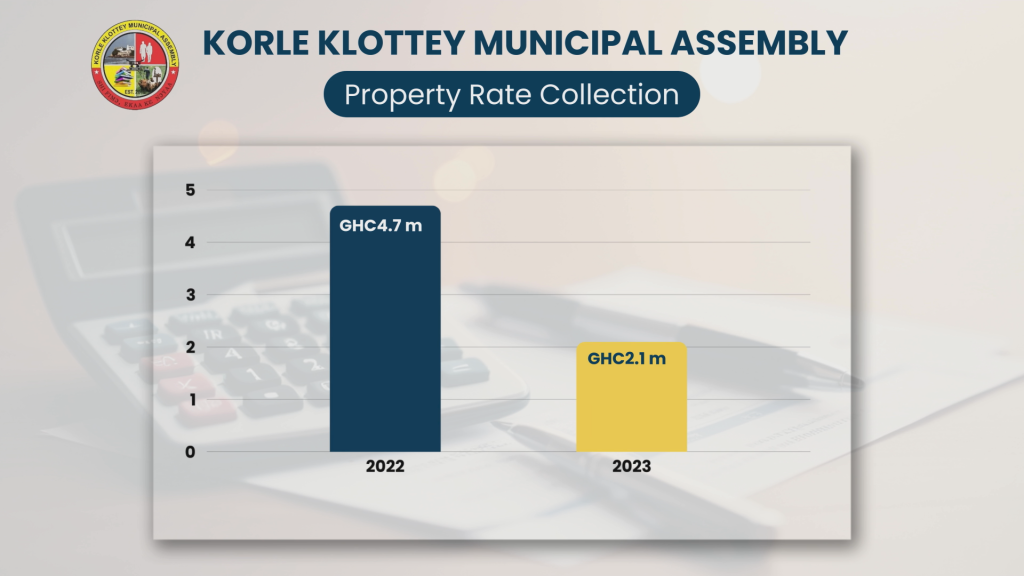
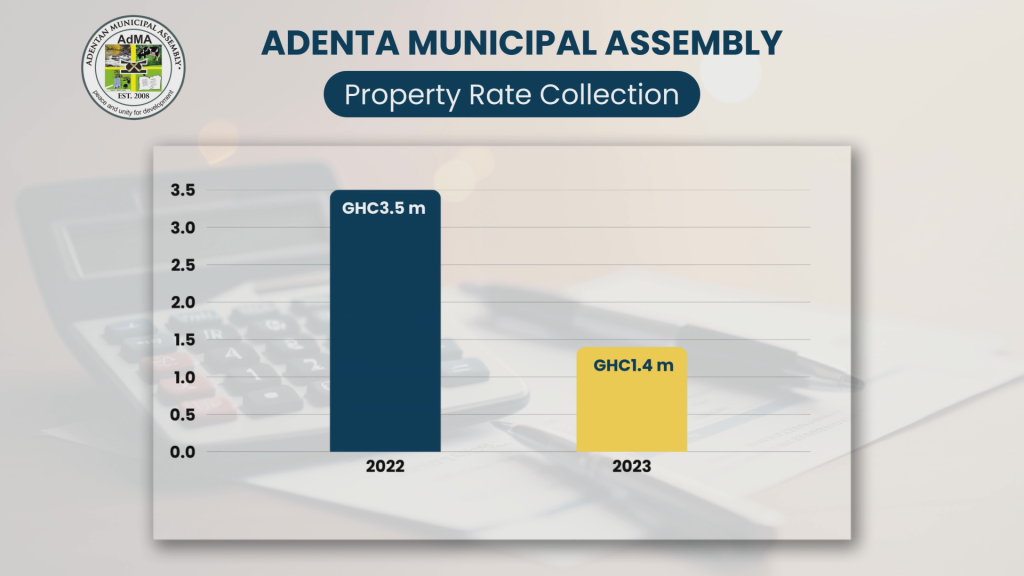
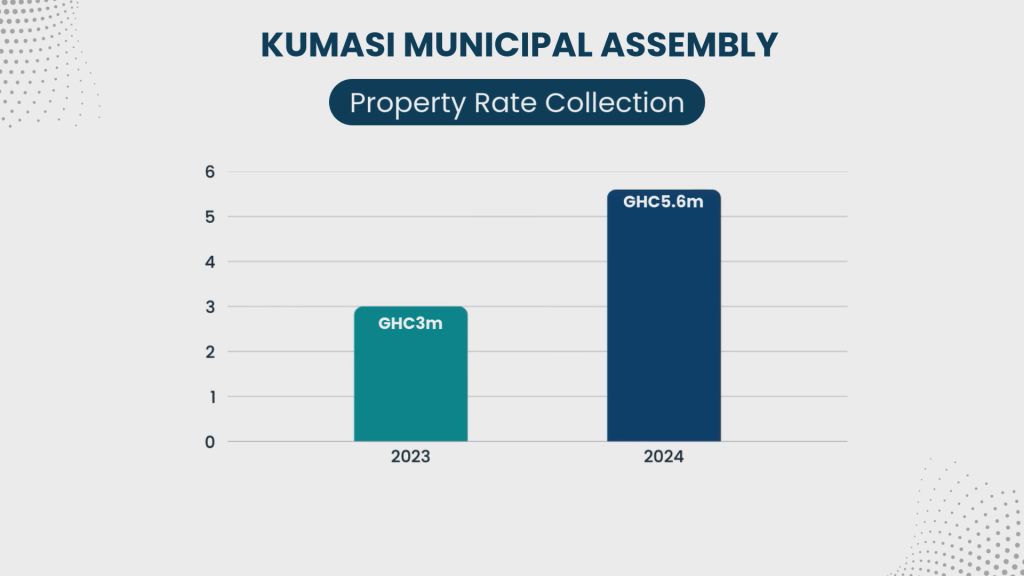
Officials at some assemblies said the figures were far below previous collections. Eric Nunoo, Deputy Director of Budget at KMA, said the assembly had received less than GHS400,000 under the arrangement by the third quarter of 2023.
The revenue decline occurred even as some property owners reported significantly increased bills. A resident of Teshie-Nungua Estate, Emelia Quarshie, told The Fourth Estate her property rate jumped from GHC250 in 2022 to GHC850 under the new system.
“I feel cheated,” she said. “Other residents within the estate are also complaining.”
Despite mounting concerns from the assemblies, the GRA publicly touted the programme as successful. However, several assemblies questioned why the reported collections did not reflect in transfers to them.
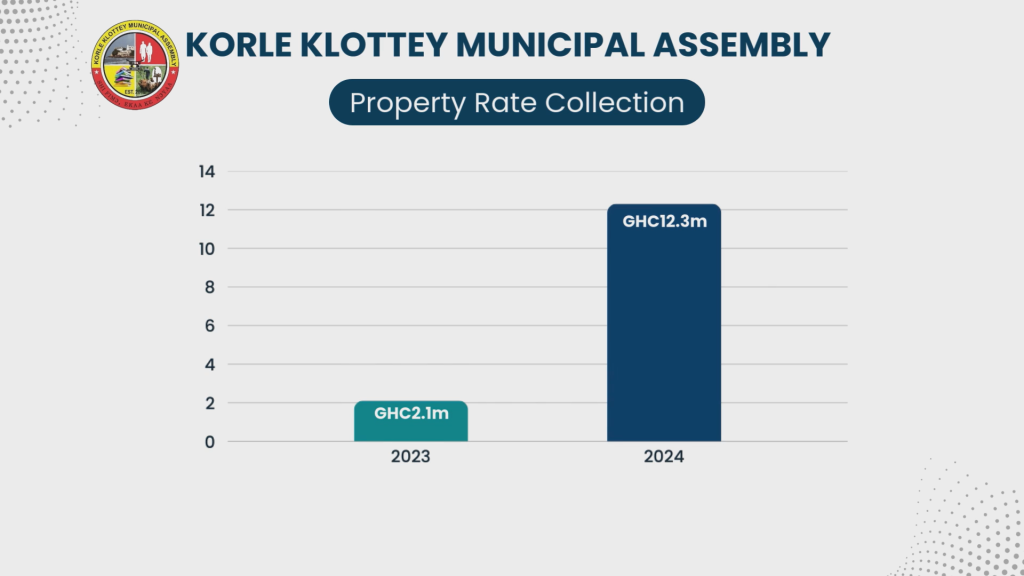
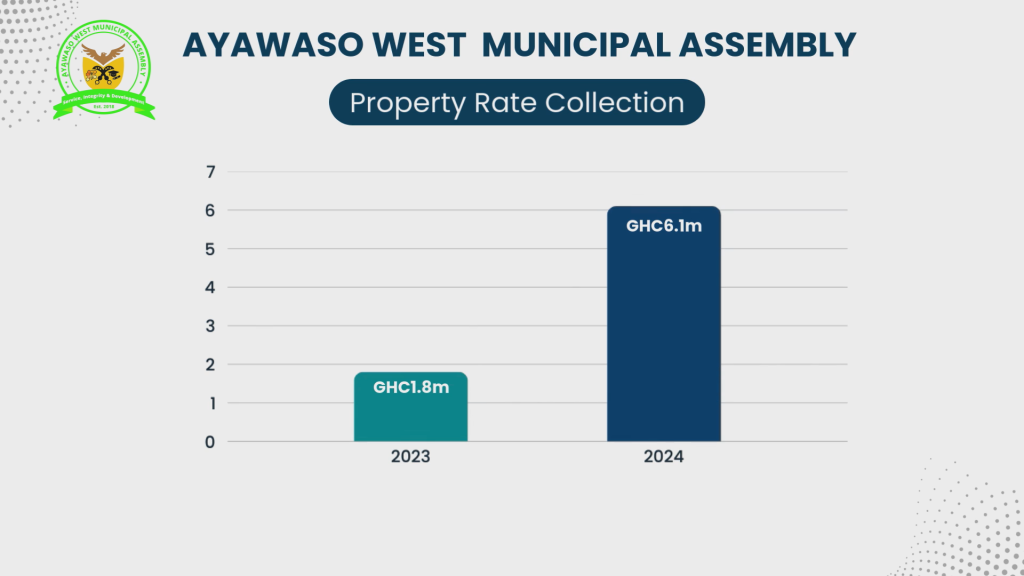
As frustrations intensified, assemblies publicly called for the reversal of the arrangement. The government eventually returned the responsibility for property rate collection to the assemblies.
That decision resulted in a significant turnaround in revenue collection for the MMDAs.
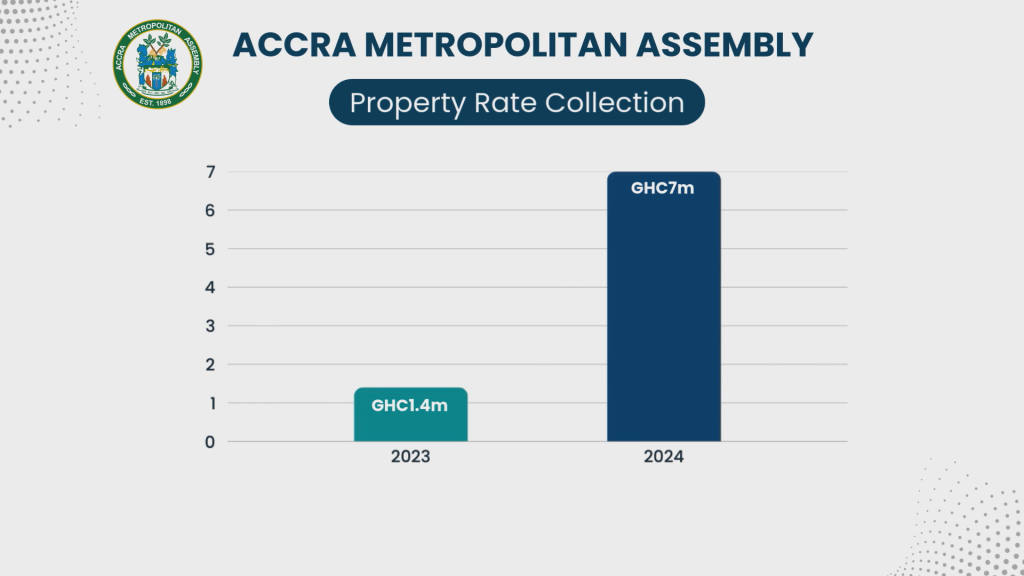
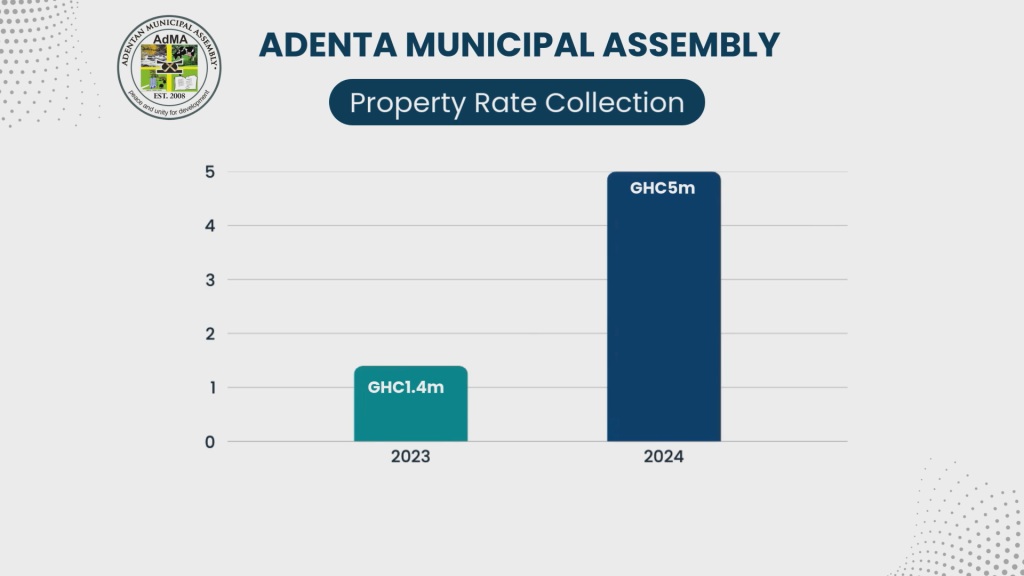
The controversy later surfaced in Parliament during the vetting of then Local Government Minister-designate Martin Adjei-Mensah Korsah. During questioning by then Minority Leader, now Finance Minister, Cassiel Ato Forson, Mr. Korsah acknowledged challenges with the system and pledged to recover outstanding funds owed to assemblies.
The Fourth Estate subsequently requested a breakdown of all revenues collected on behalf of the assemblies from the GRA, as well as copies of contracts with Digital City Solutions.
The GRA initially declined the requests, arguing that disclosure of the contract could harm the company’s “legitimate commercial and competitive interests” under Ghana’s Right to Information law.
Months later, under compulsion from the Right to Information Commission, GRA released the data, which showed that the then Commissioner-General, Ammishadai Owusu-Amoah, signed the document with the Managing Director of Digital City Solutions on May 22, 2022.
Under the terms of the agreement, the platform set up by Digital City Solutions was to collect all the revenues and deposit them into the account of the Ministry of Local Government, Rural Development and Decentralisation.
The assemblies were entitled to 70% of the gross revenue, with 15% going to Digital City Solutions and the remaining 15% to the government.
Faces behind Digital City Solutions
Investigations by The Fourth Estate found that Joseph Siaw Agyepong is listed as the sole beneficial owner of Melchia Investments Ghana Limited, a company that holds 25 per cent of the shares in Digital City Solutions.
The remaining 75 per cent shares are held by Casantey Business Solutions Group Limited, owned by Christian Asante, who is one of the beneficial owners of Digital City Solutions.
When The Fourth Estate visited the company’s listed address in North Legon, Accra, there was no visible sign of Digital City Solutions operating there. Occupants at the premises said the office space was now being used by subsidiaries of the Jospong Group.
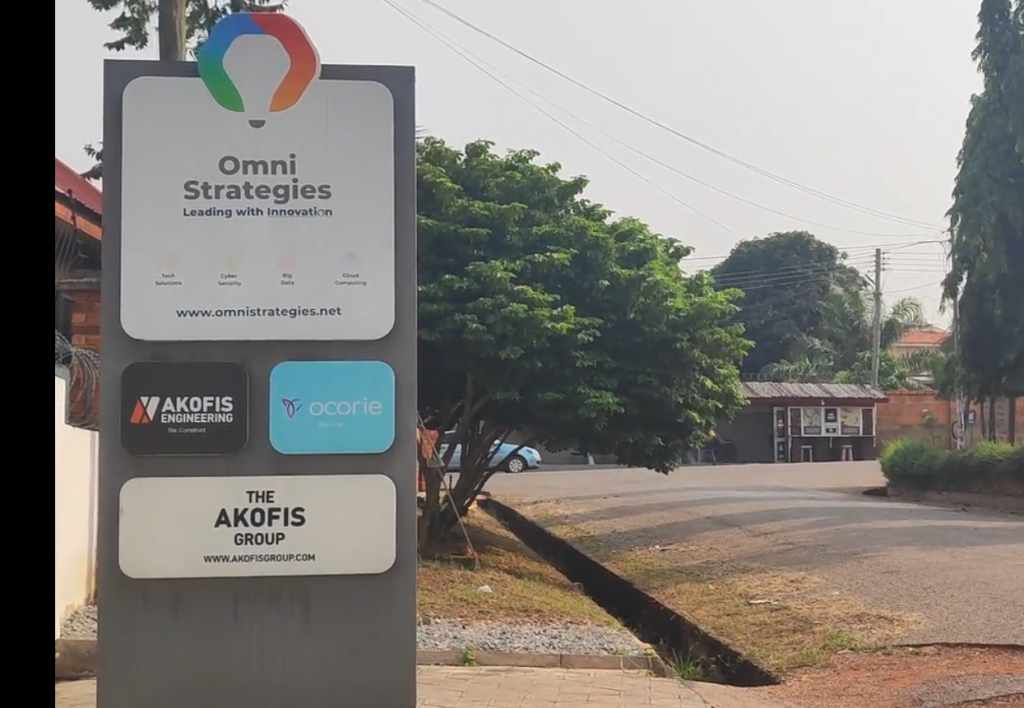
The GRA did not respond to requests for an interview. Casantey Business Solutions Group Limited also did not respond to requests for comment. Interview requests sent to Omni Strategies, a subsidiary of the Jospong Group operating at the listed address, also received no response.
Officials from several district assemblies told The Fourth Estate they are yet to receive a full reconciliation of accounts showing how much money was collected on their behalf under the centralised system and how much was ultimately transferred to them.
“What GRA collected, we never had the returns to help us do the 2024 collection [collection of property rate],” Mr Nunoo of the KMA said. “Because at the end of the day, you need to know who is owing, how much you collected from this or that person,” he said.
He added that GRA never shared the database of revenue collected from the assemblies.
This is in spite of Mr Adjei-Korsah’s promise to recover the funds for the assemblies.
The President of the Chamber of Local Governance, Dr Richard Fiadomor, told The Fourth Estate that the GRA was a smokescreen.
“We had picked signals that the GRA was just a cover-up or a veil for a company called Digital City Solutions. But at that time, because the government was behind, it was difficult getting information,” he said. “When we saw it, we were like, what? No, this is an outright illegality, because even the Ministry of Local Government and Decentralization then cannot sign a contract for and on behalf of MMDAs. So, we started fighting.”
Tax expert Nii Addo said the centralisation ignored the assemblies’ local knowledge and weakened the collaboration necessary for effective revenue mobilisation.
“It is the hunter that knows the forest,” he said. “It is the assemblies that know the areas designated to them. It is not the terrain of the GRA.”

How Jospong Group was paid GHC1.48 billion to clean up the country, yet Ghana remains in filth and dirt

After losing his arm underground, miner battles employer over prosthetic replacement

Ghana spent 8 billion cedis on streetlights in 3 years, yet darkness prevails
From Promise to Neglect: What Happened to Koforidua’s €70 Million Regional Hospital?
Comments
No comments yet. Be the first to share your thoughts on this story.