
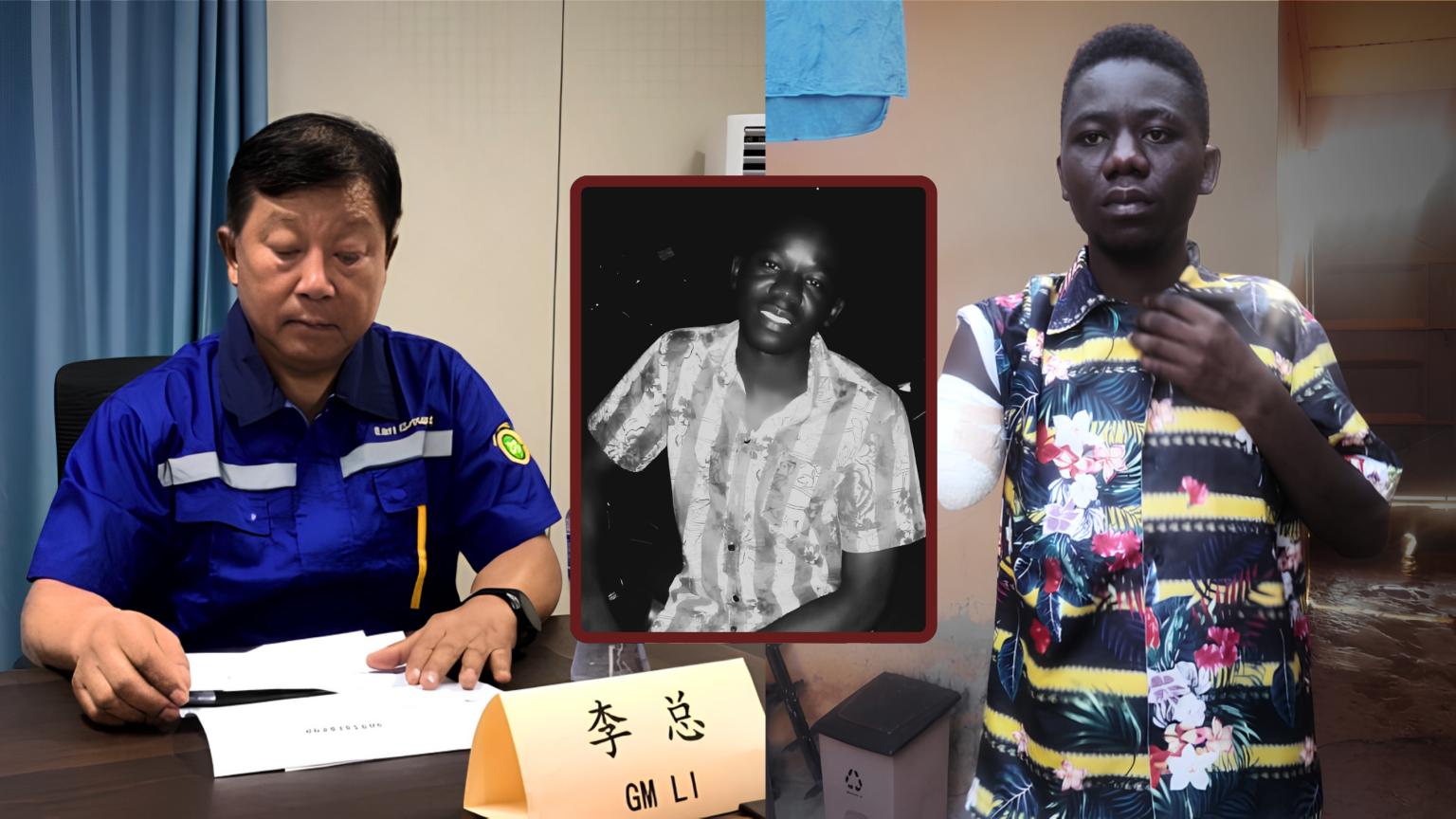
When Godfred Nongbezina Nabil lost his right arm in an underground mining accident two years ago, he believed his employer would help him rebuild his life.
Instead, the 27-year-old says he was dismissed while recovering from surgery and is now locked in a dispute with the company over the type of prosthetic arm it is required to provide.
Godfred, a former mechanic with Earl International Group (GH) Gold Limited, wants a functional prosthetic arm that would allow him to work again. The company says it has been trying to provide one but accuses him and his family of frustrating the process.
The dispute centres on whether the company should provide a cosmetic prosthesis or a functional one that restores movement and improves the wearer’s ability to perform everyday tasks.
Godfred insists he has always requested a functional prosthesis.
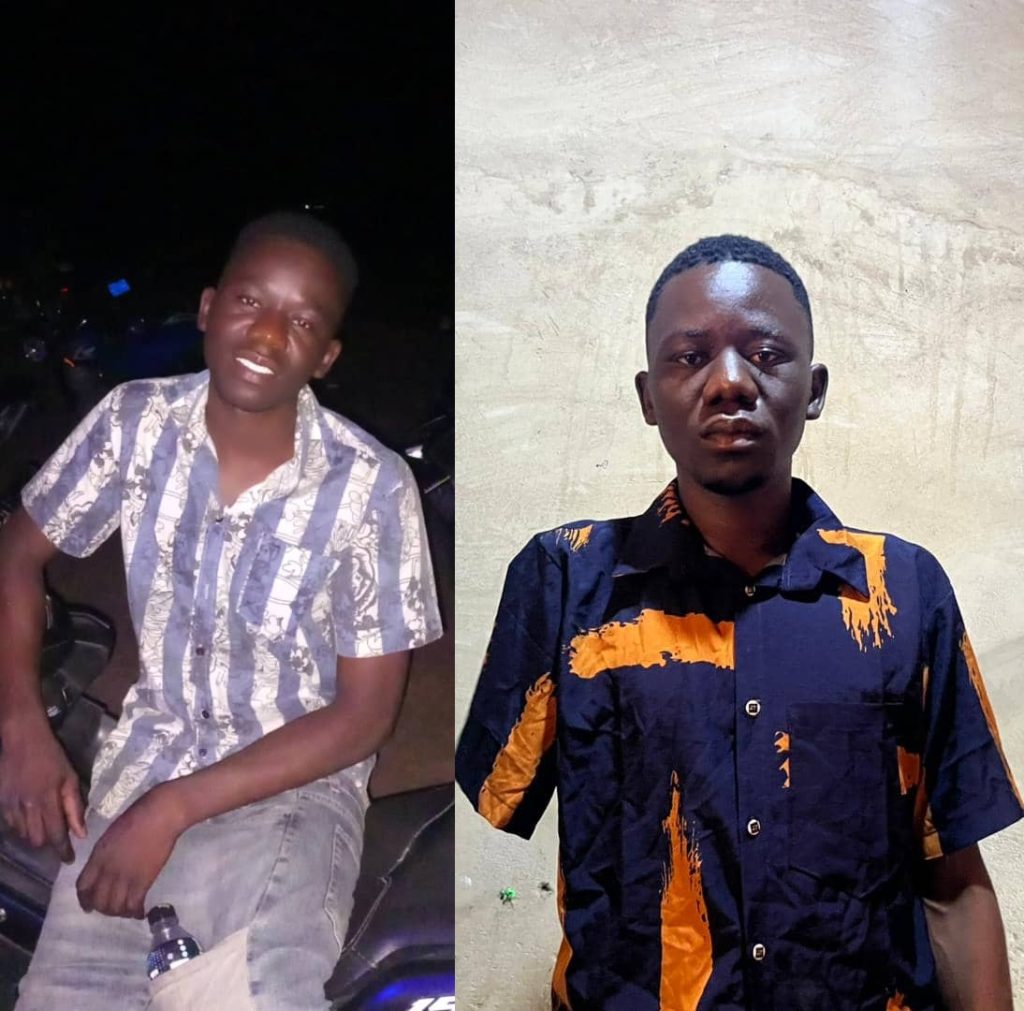
“I want an arm that will help me work again,” he told The Fourth Estate.
Earl International’s Public Relations Officer, Albert Azongo, said the company remained committed to supplying a prosthetic limb but said medical professionals had initially advised that a non-functional prosthesis would be sufficient.
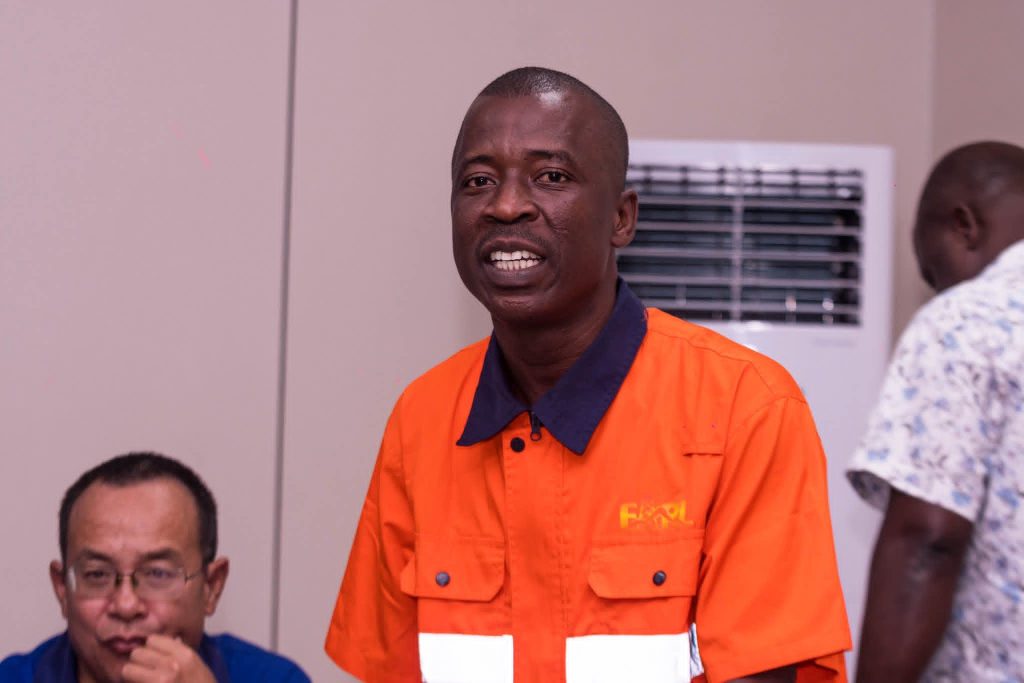
“The medical officers gave professional advice that he really did not need the functional prosthetic arm because it comes with associated costs and maintenance issues,” Mr Azongo said.
He said the company had requested an invoice to purchase the non-functional prosthesis but was later informed that Godfred had changed his mind and wanted a functional replacement instead.
Godfred rejects that account.
He said he made it clear from the outset, including during a visit to a prosthetics and orthotics centre in Duayaw Nkwanta, that he wanted a functional arm.
According to him, company officials told him they could not afford the cost of purchasing and maintaining one.
An orthopaedic surgeon at the Upper East Regional Hospital, Dr Raymond Atibila Aboungo, told The Fourth Estate that a functional prosthesis was the appropriate option for someone in Godfred’s position.
He described a non-functional prosthesis as “mainly cosmetic”.
Accident underground
Godfred joined Earl International in 2021 after completing senior high school. He hoped the job would allow him to support his family and save enough money to continue his education.
On May 17, 2023, he was assigned to carry out repairs on a machine underground.
He said there was no water available to clear sludge from the machine, so he used water collected underground before preparing to begin repairs.
Moments later, the machine caught his right arm and pulled him to the ground.
He remained trapped for about 30 minutes before he was rescued.
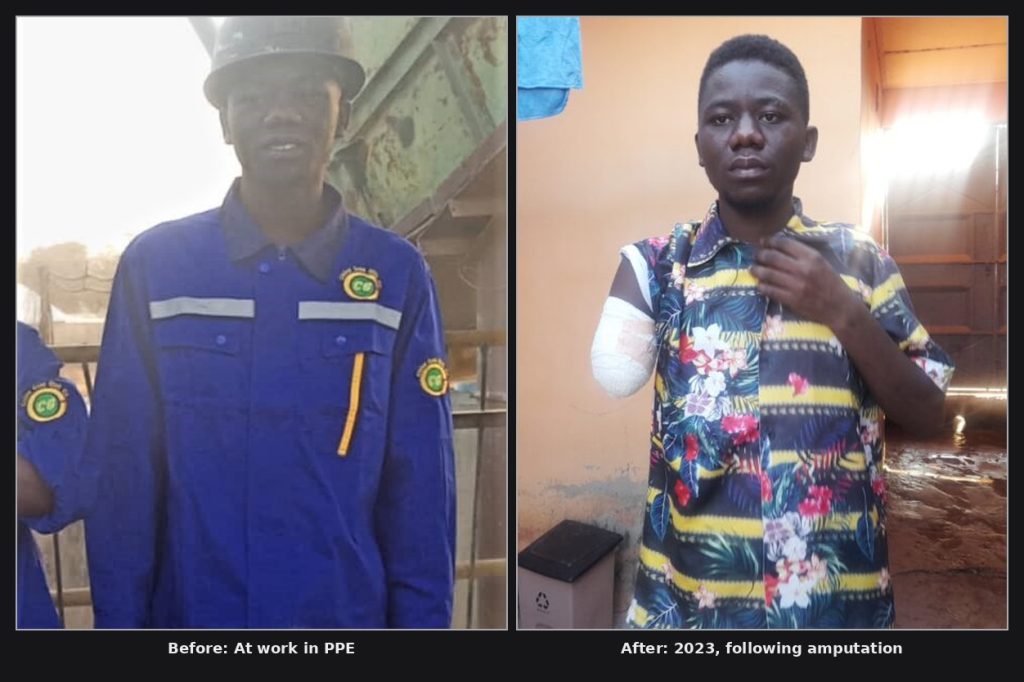
He was first taken to Ultima Platz Hospital in Zuarungu before he was transferred to the Tamale Teaching Hospital, where doctors amputated his arm above the elbow after concluding it could not be saved.
A Minerals Commission investigation into accidents at the mine in December 2022 and November 2023 later found that the company did not have a standby rescue team.
Dr Casmed Amadu, a geological engineer with experience in underground mining, said hazardous underground work is normally carried out by teams rather than by a lone worker.
Company blames worker
Earl International maintains that Godfred failed to follow safety procedures and that his own negligence contributed to the accident.
Mr Azongo alleged that Godfred had admitted in an earlier media interview that he attempted to remove stones from the machine with his hand.
“You do not by your own negligence breach simple procedures, then you get injured and turn around and demonise the company,” he said.
He added that the alleged admission could have provided grounds for the company to challenge Godfred’s compensation claim, although compensation was ultimately paid.
However, The Fourth Estate reviewed the media interview cited by the company and found no statement in which Godfred said he used his bare hand to remove stones from the machine.
Instead, he described using water to wash sludge off the machine before the accident.
The compensation agreement also contained no finding that the injury resulted from misconduct or that Godfred had been under the influence of alcohol or illegal substances at the time of the accident.
Dismissed during recovery
Godfred said that while he was in hospital, a senior company official assured him that his job would still be available when he recovered.
Instead, he said his employment was terminated before his surgical wound had healed.
He believes he could still have worked in other roles, including records management or translation, even without a prosthetic limb.
“What they did wasn’t fair,” he said. “There are people with conditions like mine who are still working.”
Legal obligation
Under the Workmen’s Compensation Act, 1987 (PNDCL 187), employers are required to pay for the replacement and maintenance of artificial limbs for workers who lose limbs through workplace accidents.
The Labour Department in Bolgatanga told The Fourth Estate that since the dispute began, only Godfred’s family had approached it to seek assistance in compelling the company to provide the prosthetic arm.
Godfred says a functional prosthesis would allow him to regain his independence, improve his chances of finding work again and begin rebuilding the life that changed in an instant beneath the ground.
Ghana spent 8 billion cedis on streetlights in 3 years, yet darkness prevails
From Promise to Neglect: What Happened to Koforidua’s €70 Million Regional Hospital?
Attorney-General’s Office refuses MFWA access to information on Republic vs. Duffour and 7 others case
GBC Director-General challenges Auditor-General’s report on 2023 African Games
Comments
No comments yet. Be the first to share your thoughts on this story.