
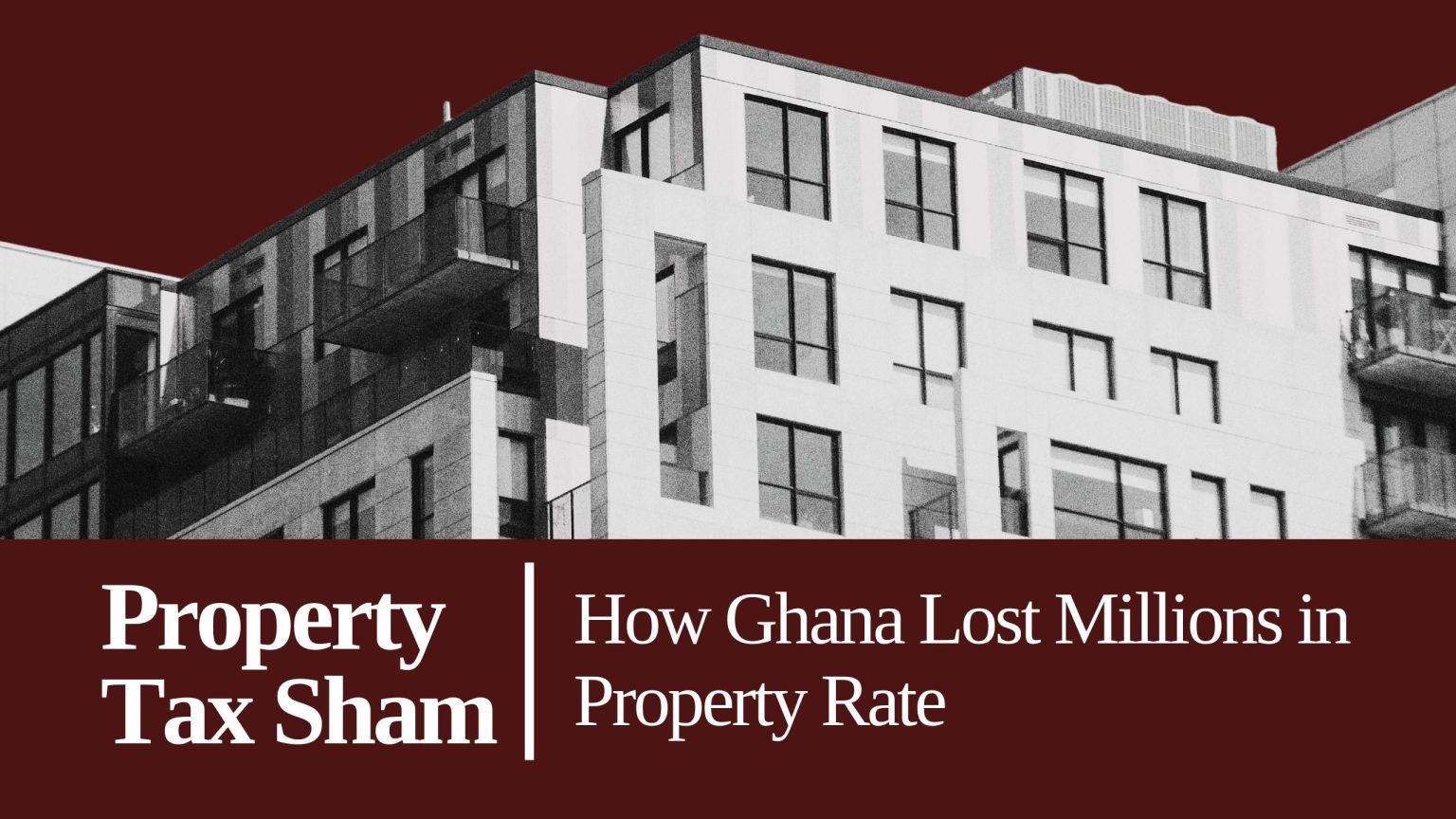
Millions of Ghanaians are required by law to pay property tax, yet many say they see no benefit from it.
Roads remain broken, drains unfinished, and streets dark, feeding public mistrust for the mandatory tax required under Section 152 of the Local Government Act.
The law states that ” The amount of a general or special rate due in respect of any premises shall, until paid, be a charge on the premises and that charge shall have priority over any other claims against the premises except claims of the Government.”
In 2023, the Akufo-Addo government rolled out a digital property tax system, selling it as a fix for years of poor property tax collection. It was meant to make payment easier, seal leakages, and boost local development.
Instead, something went wrong. Assemblies across the country began recording a sharp decline in revenue, even as property owners received higher and sometimes unexplained bills.
Behind the system was a private company most taxpayers had never heard of, operating with little public scrutiny. Local revenue officers watched helplessly as their collections declined.
This documentary follows the money, the data, and the decisions behind Ghana’s digital property tax experiment—and asks how a reform meant to build trust ended up breaking it.
Become a member of The Fourth Estate community
For 5 years, we've investigated matters of public interest and helped hold power to account.
Now we're launching our Membership Programme, a community of people who believe independent journalism is worth sustaining, and want to help us do more. Join us as a member, and bring a friend along.
Join the community now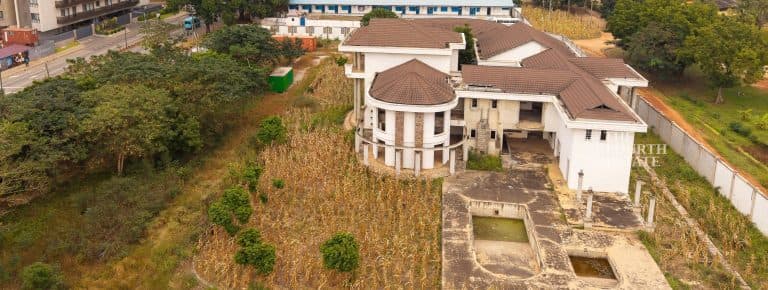
Proposed Vice Presidential Villa abandoned for 13 years after over $ 2.4 million spent
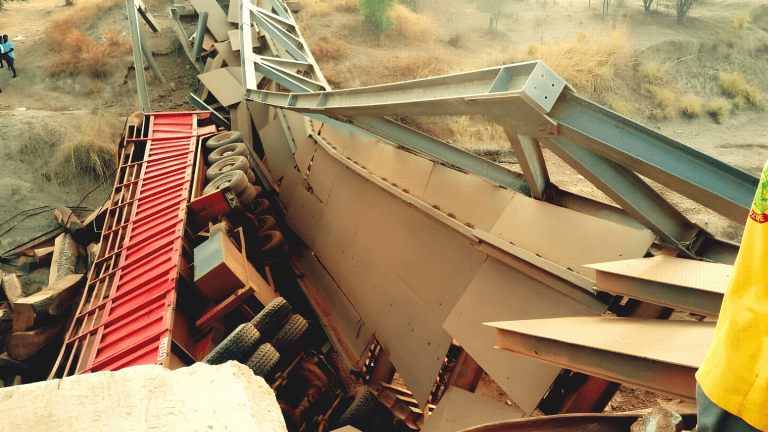
Four years after collapse, Navio bridge still claims lives
MFWA establishes GHS 544,000 Legal Support Fund for journalists in Ghana
Bridge components worth over £43 Million abandoned while communities face dangerous crossings
Comments
No comments yet. Be the first to share your thoughts on this story.