
When President John Dramani Mahama visited the Upper East Region in August 2026, residents along the Bolgatanga-Zuarungu road were hopeful that relief was finally in sight.
Their excitement followed the return of Queiroz Galvão, the contractor working on the road, which mobilised heavy-duty equipment to the site shortly before the President’s two-day working visit. The movement of equipment raised expectations that construction, which had stalled for years, was about to resume.
But the hope was short-lived. Shortly after President Mahama concluded his visit and left the region, the contractor demobilised and moved all its equipment away from the site, leaving the road in the same deplorable condition.
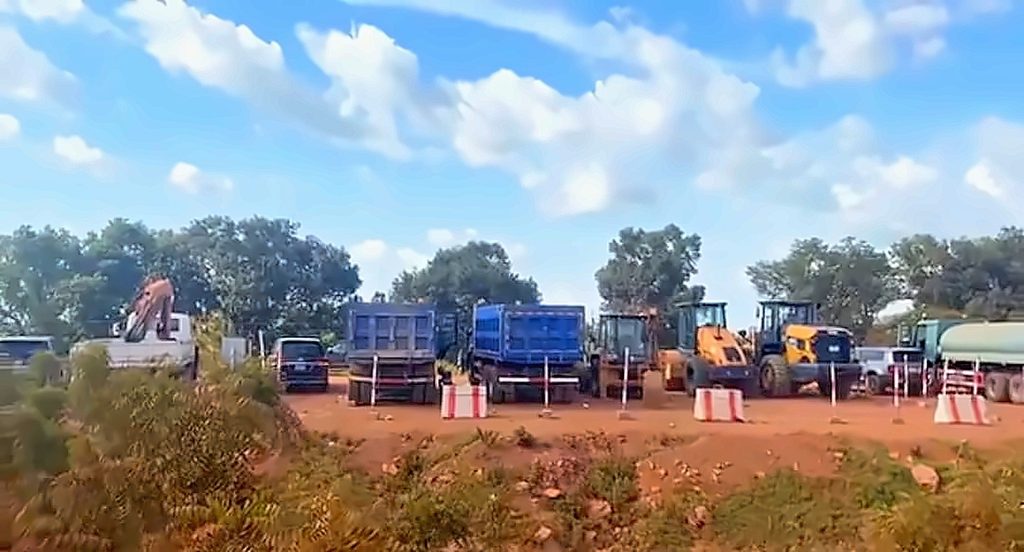
For residents and commuters who had anticipated an end to their ordeal, the contractor’s sudden departure was another disappointment in a long-running struggle for a safe and motorable road.
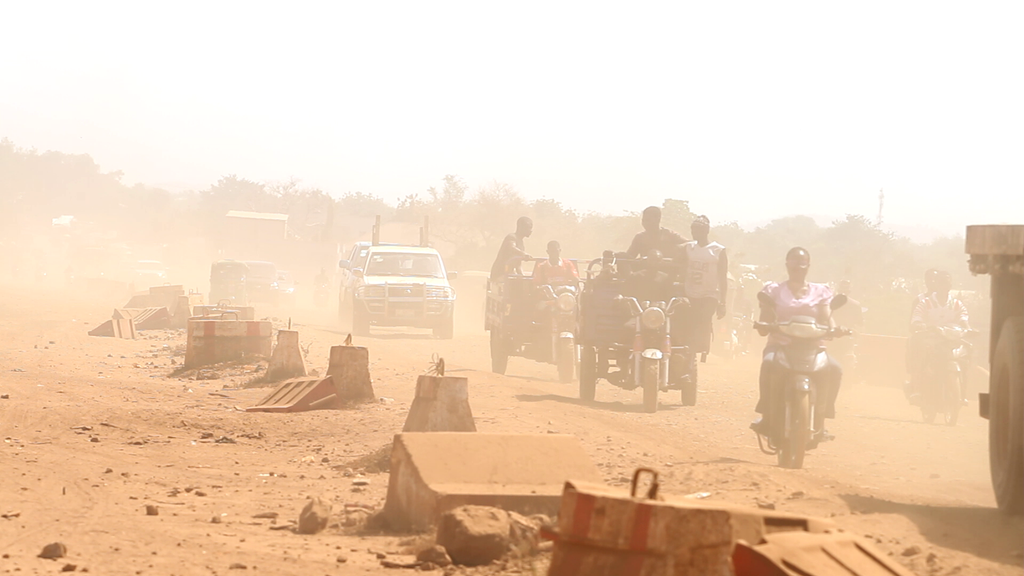
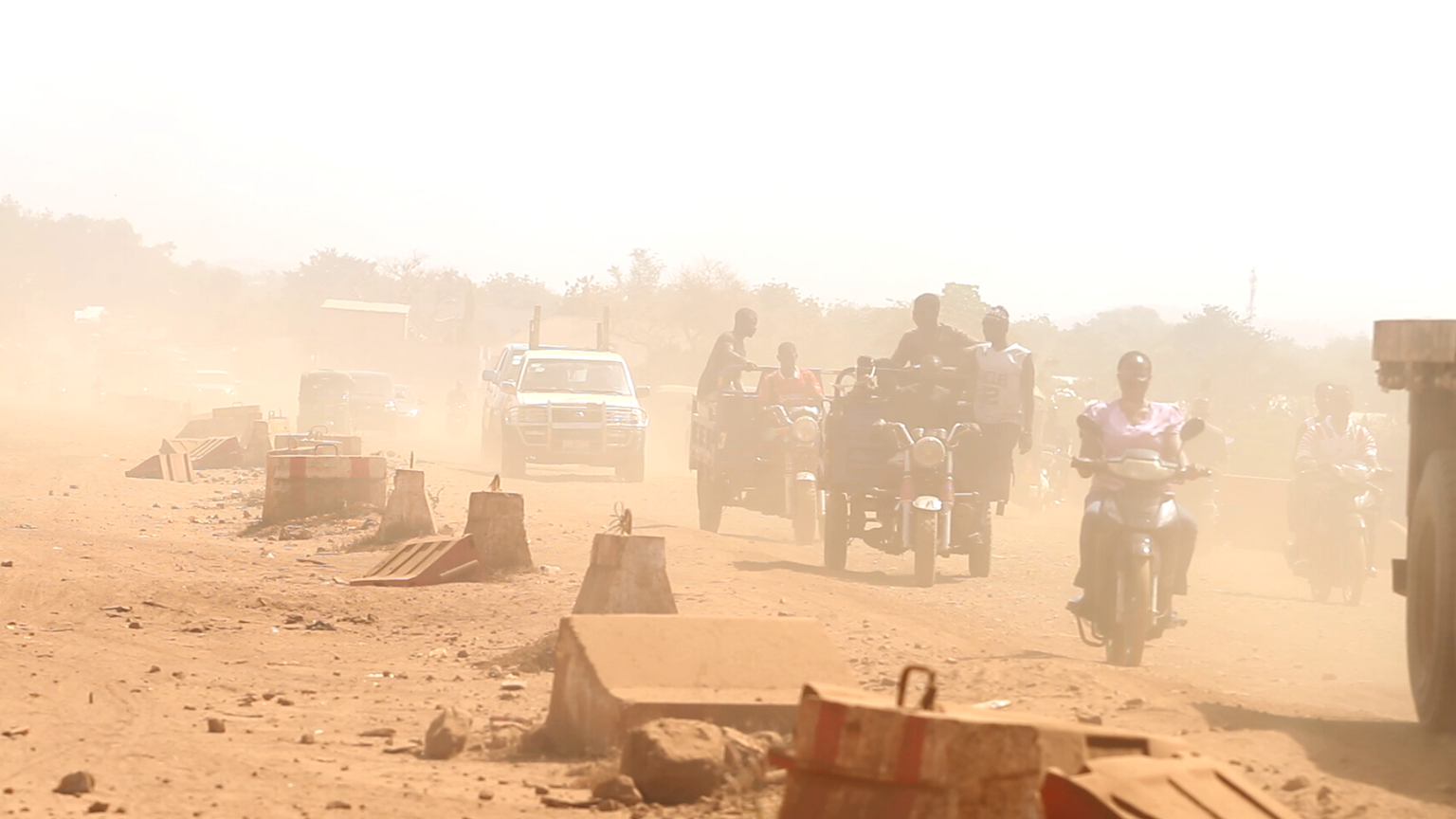
The approximately one-kilometre stretch from the Kulaa Bridge over the Kulaa River to the Timber Market, along the Bolgatanga-Zuarungu road, has become a daily nightmare for commuters. Despite its relatively short length, the stretch, characterised by dusty conditions and pothole-ridden surfaces, is regarded by residents as one of the most dangerous sections of the highway.
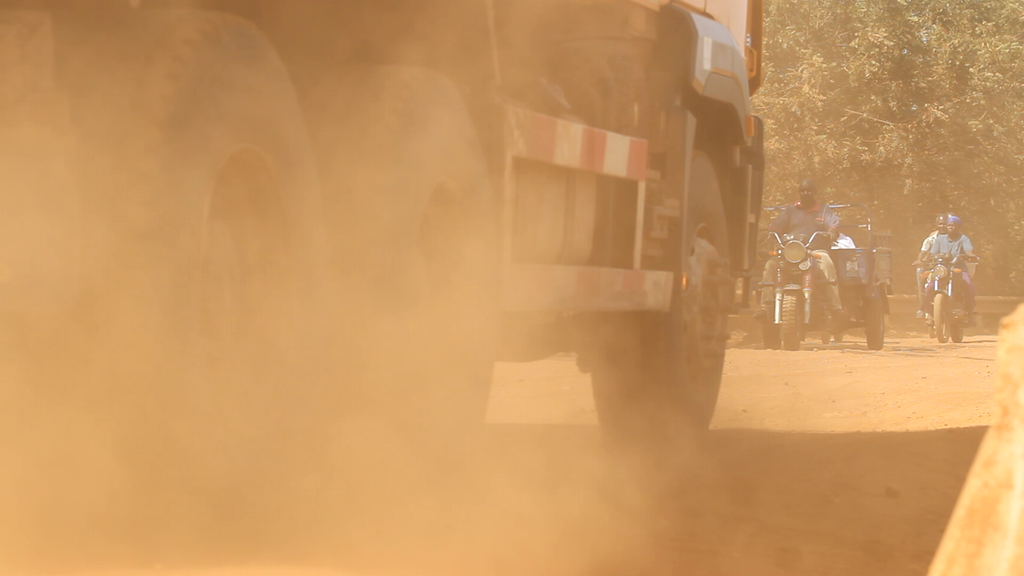
They say navigating the road exposes them to accidents, while the thick dust generated by passing vehicles disrupts businesses and poses potential health risks.
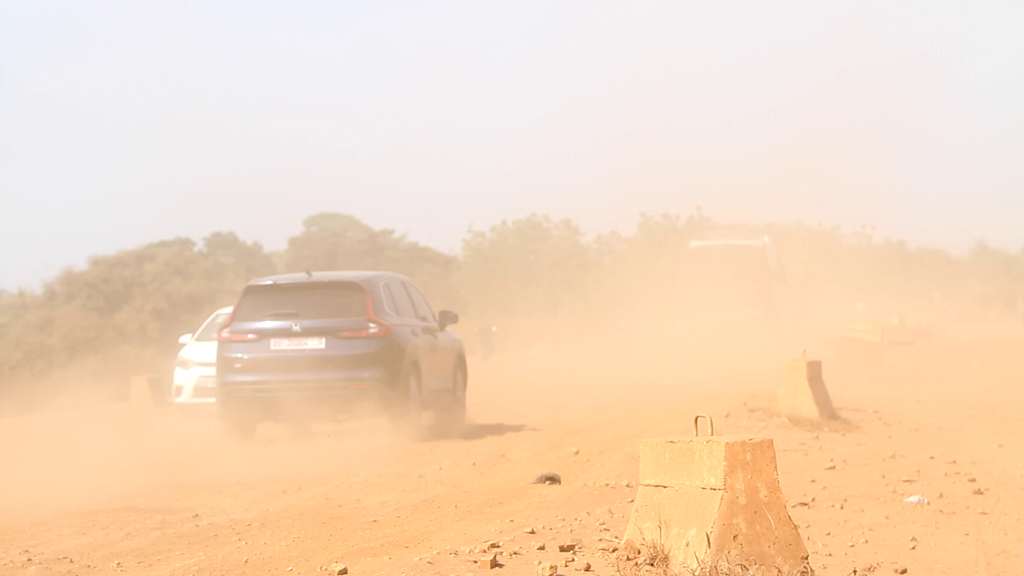
Raphael Kpinn, a resident of Zuarungu, recounted a frightening experience on the stretch in September 2026. He said he was riding a motorbike when a heavy truck passed, leaving behind a thick cloud of dust. The headlights of an oncoming vehicle further obstructed his vision.
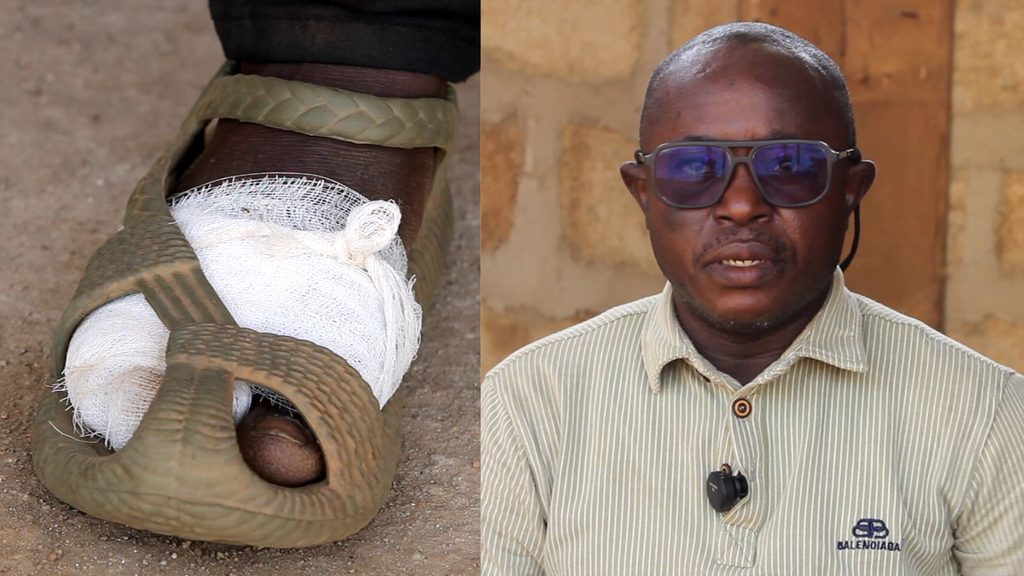
As Raphael and other motorcyclists struggled to navigate the potholes, three of them collided.
Raphael sustained a deep cut to his foot, injuries to his elbow and swelling around his face, while another victim suffered a broken arm.
“That stretch at the Kulaa on the Bolga-Zuarungu road is a death trap. It’s a death trap,” he lamented.
For Reina Anaba, who operates a provision shop beside the road, the problem extends beyond the danger to road users. The dust has turned her daily business routine into an exhausting exercise.
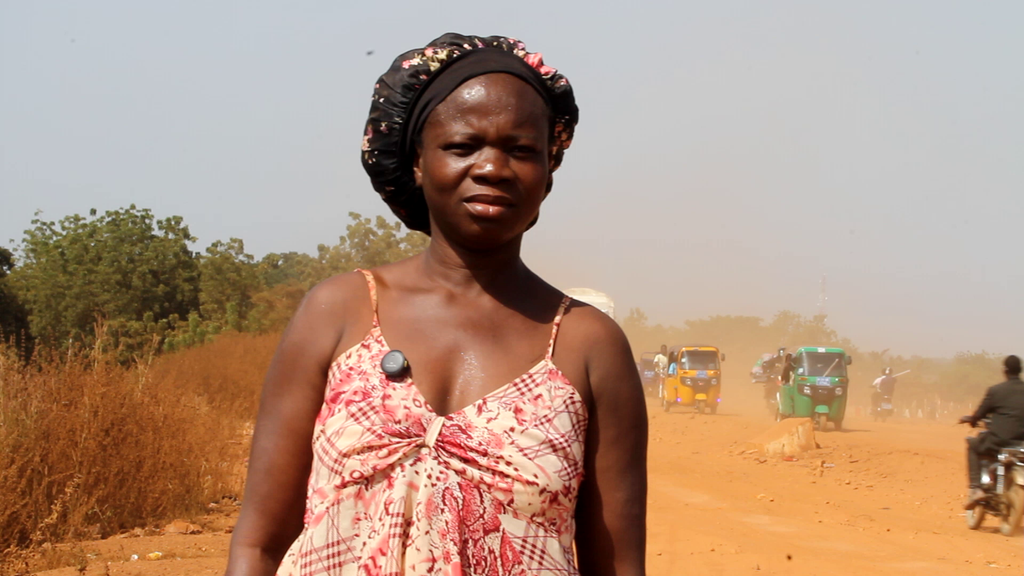
She spends much of her working day cleaning the shop and its contents as passing vehicles raise clouds of dust.
“Most times, I’ll come only cleaning the whole day. I get exhausted. I even forget that I did not eat,” she said.
Reina also complains of recurring chest pains, which she attributes to prolonged exposure to the dust. Although medication provides temporary relief, she says the symptoms return as she continues working beside the road.
Another commuter, who gave his name only as Nyabila, questioned why such a short but important stretch of road had remained unattended for so long.
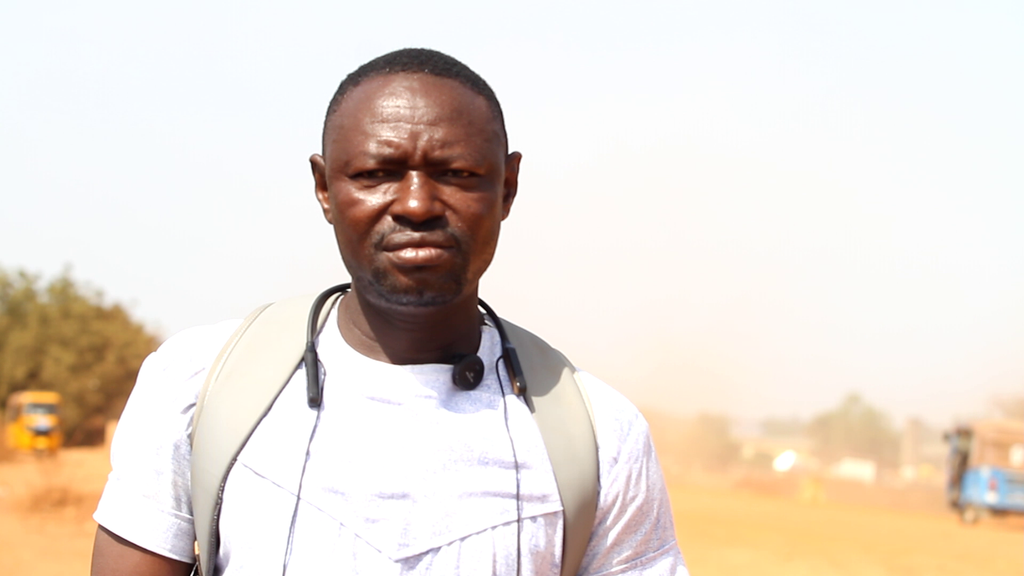
“It’s too bad that we are going through this road that is less than a kilometre and cannot be worked on,” he said.
He also expressed concern about the health implications of the dusty conditions for commuters and residents.
The Kulaa Bridge forms part of the 116-kilometre Bolgatanga-Bawku-Polimakom highway, whose reconstruction has stalled for years amid financing difficulties.
The highway connects the Upper East Regional capital to several districts, including Bolgatanga East, Nabdam and Bawku West, as well as communities across the Bawku enclave.
Construction began in 2016, but successive financing difficulties, compounded by Ghana’s debt restructuring, disrupted the project.
In September 2025, The Fourth Estate reported that GHS759.47 million had been disbursed for the project as of December 2024, yet significant portions of the highway remained unfinished.
The prolonged delay has left residents along the Kulaa Bridge to Timber Market stretch bearing the consequences of a project that was expected to improve connectivity and ease transportation across the region.
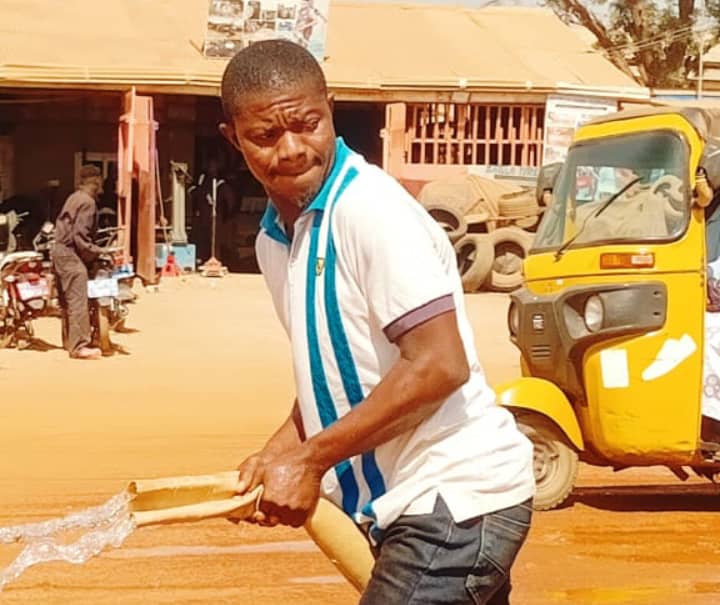
With construction stalled and the dust becoming increasingly unbearable, the Assembly Member for the area, Adamu Apasinore, began an intervention in January 2026.
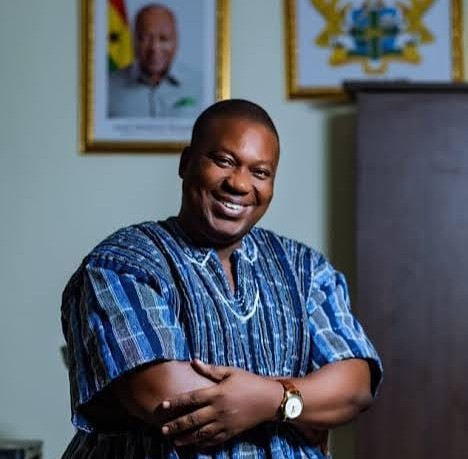
Assembly Member for Yaarigabisi Electoral Area, Adamu Apasinore
He spent approximately GHS600 weekly to get the road watered twice a week in an attempt to suppress the dust. He sustained the initiative for several weeks before the Bolgatanga East District Assembly took over.
However, the Assembly eventually discontinued the exercise. A subsequent intervention by ARACO Construction, reportedly facilitated by the Member of Parliament for Bolgatanga East, Dr Dominic Ayine, also failed to last.
The Bolgatanga East District Chief Executive, Jacob Aka-eri, told The Fourth Estate that the Assembly had initially agreed to water the road for two weeks while the Ghana Highway Authority prepared to undertake repairs.
However, he said the exercise continued for nearly two months without the Authority taking over, forcing the Assembly to discontinue it because of limited resources and complaints that the watering was doing little to improve the road’s condition.
Aka-eri explained that ARACO Construction had commenced temporary repairs but withdrew after Queiroz Galvão returned to the site following President Mahama’s visit.
According to him, ARACO expected the original contractor to resume construction and therefore stopped its intervention. But Queiroz Galvão subsequently left the site, leaving the stretch without the anticipated repairs.
A senior source at the Ghana Highway Authority’s Upper East Regional office told The Fourth Estate that the contractor submitted a revised programme of works indicating its intention to return to the site.
However, the source said funding challenges remained unresolved, with no definite date set for construction to resume.
For residents and commuters, the uncertainty means another indefinite wait on a stretch of road where every journey comes with the risk of an accident and every passing vehicle brings another cloud of dust.
Become a member of The Fourth Estate community
For 5 years, we've investigated matters of public interest and helped hold power to account.
Now we're launching our Membership Programme, a community of people who believe independent journalism is worth sustaining, and want to help us do more. Join us as a member, and bring a friend along.
Join the community now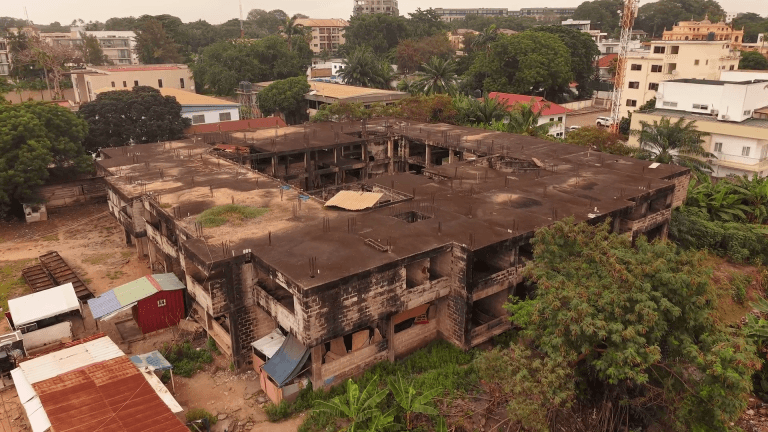
Cantonments’ ‘Monster’: NAFTI runs out of space as permanent campus rots
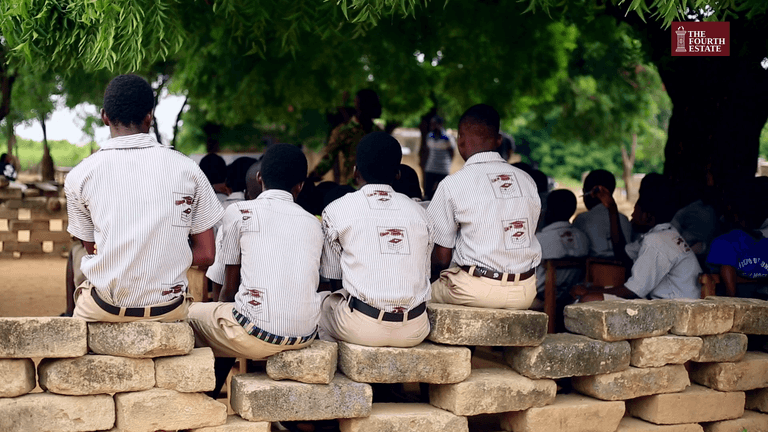
Two abandoned classroom projects leave Toflokpo pupils learning under a tree

Terrible NLA-KGL deal: KGL consultant accuses finance minister of misinformation, but NLA D-G backs minister
Ghana could earn GHC 2 billion from Mahama’s proposed lottery reforms – NLA Director-General
Comments
No comments yet. Be the first to share your thoughts on this story.