
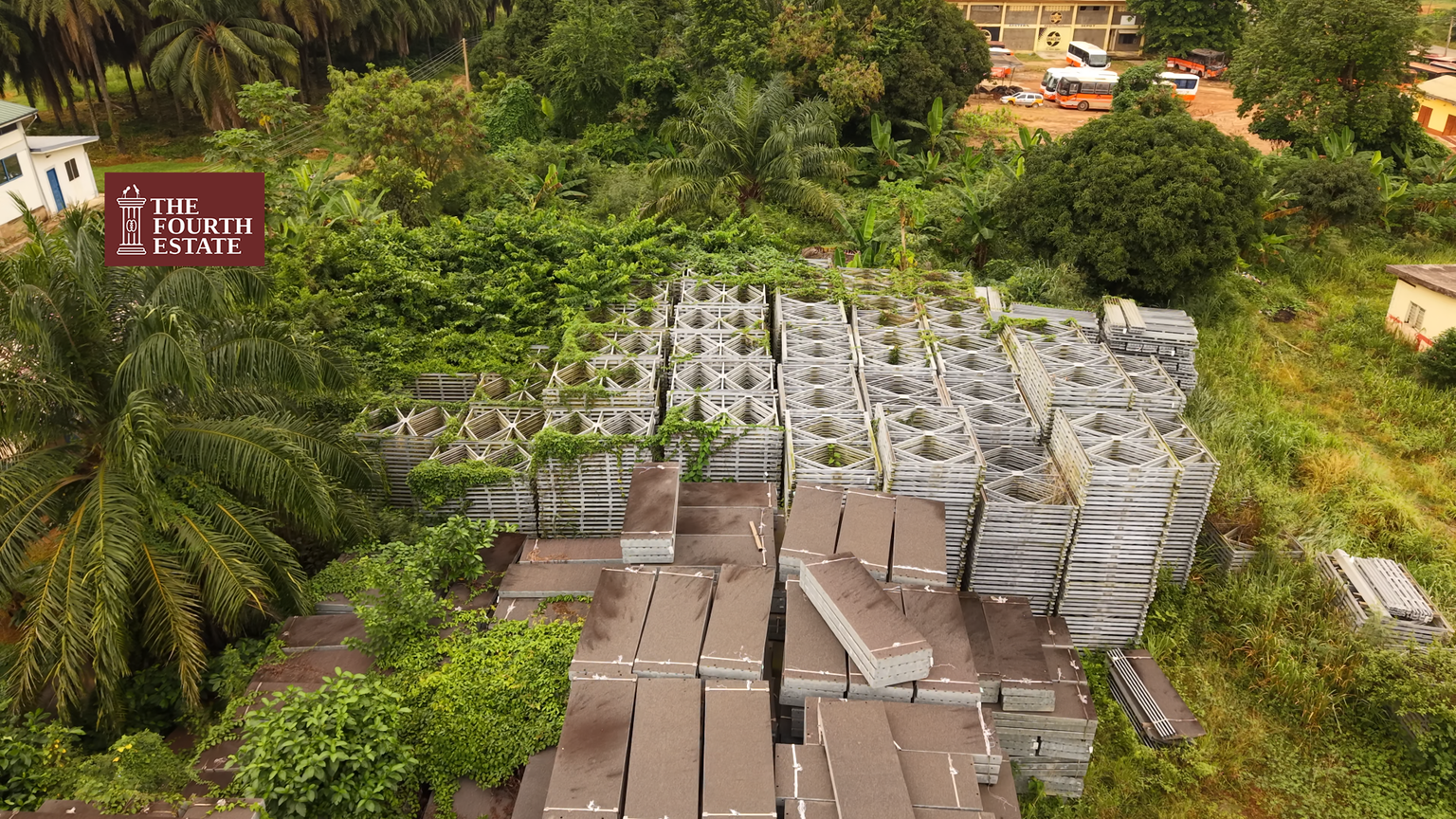
The Ministry of Roads and Highways says prefabricated bridge components abandoned in storage will be deployed across Ghana, following The Fourth Estate’s investigation into bridges procured with a £43 million loan.
But questions remain over more than 40 of the 89 bridges covered by the procurement agreement, which are not accounted for in figures released by the Ministry.
Less than 24 hours after The Fourth Estate published its investigation, Kojo Danquah, spokesperson for the Minister for Roads and Highways, issued a statement on social media detailing the bridge components the Ministry says have been received, installed, are under construction or remain in storage.
Mr Danquah said the Ministry welcomed “responsible media coverage” of its activities, but added that “such scrutiny must be accompanied by the full facts to ensure that the public is properly informed”.
The Fourth Estate spent more than a month trying to obtain those details from the Ghana Highway Authority (GHA) and the Ministry before publication.
On June 8, 2026, The Fourth Estate submitted a Right to Information request to the GHA, the agency implementing the project, asking how many bridges had been received since the loan was approved in 2020 and where they had been installed.

After several follow-ups went unanswered, The Fourth Estate filed an internal appeal with the Authority’s Chief Executive Officer, Ishak Mallam Issah, on July 1.
There was no response.
An interview request sent to Mr Issah on 17 July also went unanswered. The Fourth Estate then wrote to the Minister for Roads and Highways, Kwame Governs Agbodza, on July 21, but received no response before the investigation was published on August 31, 2026.
In his statement, Mr Danquah said Ghana had received prefabricated bridge components “equivalent to approximately 1,380 metres” since 2022.

Under the agreement approved by Parliament, the bridges are two-lane structures measuring 30 metres each. On that basis, 1,380 metres would be equivalent to 46 bridges.
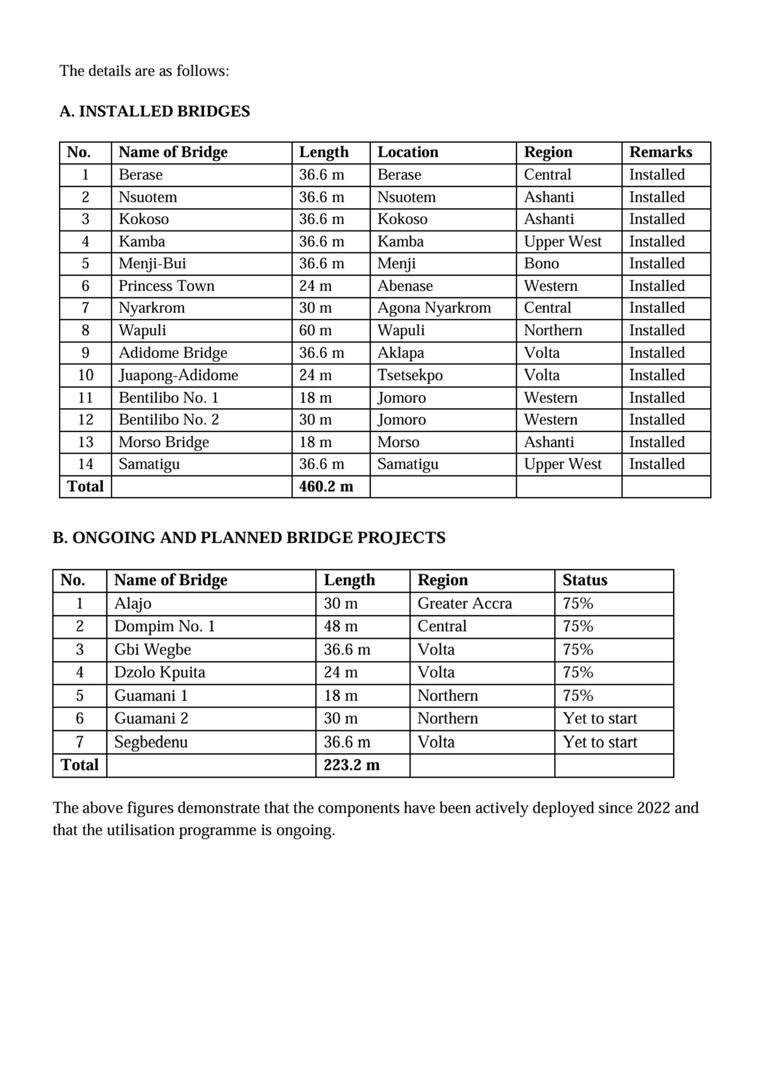
Mr Danquah confirmed The Fourth Estate’s finding that 460.2 metres of bridge, equivalent to about 15 bridges, had been installed.
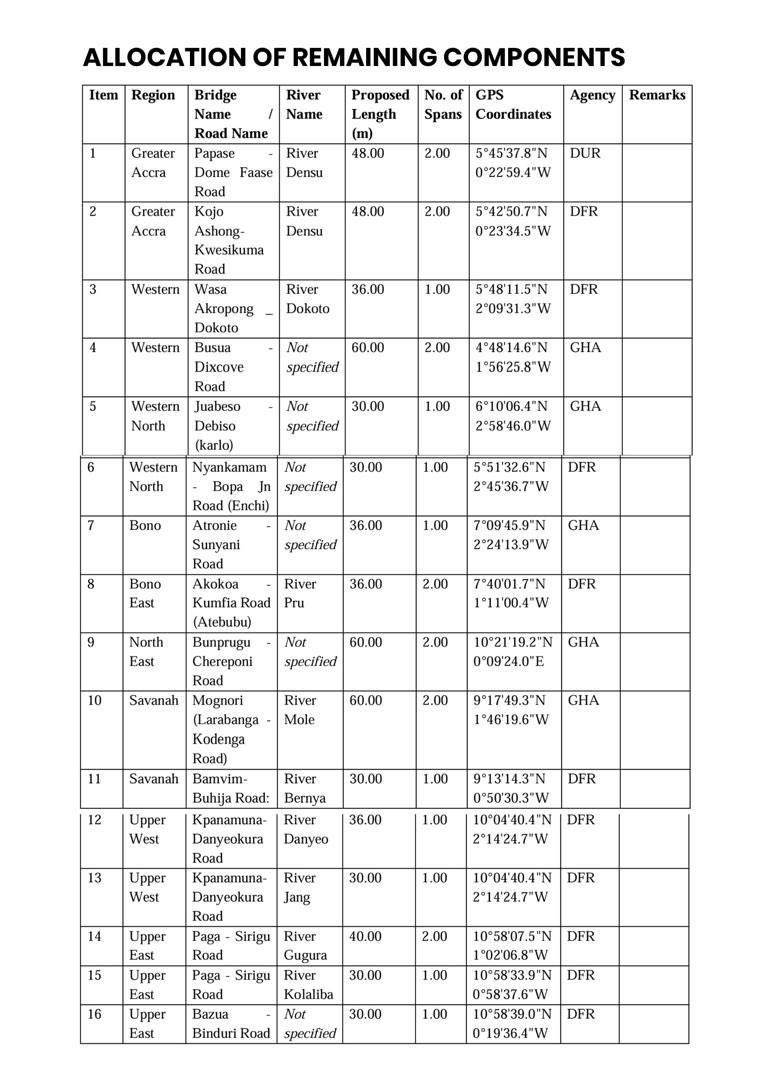
He said a further 223.2 metres were under construction or scheduled for construction, while 640 metres, equivalent to about 21 two-lane bridges, remained in storage and would be deployed.
The figures largely corroborate The Fourth Estate’s finding that substantial quantities of bridge components procured under the loan agreement had remained abandoned in storage.
But there is a discrepancy in the Ministry’s own figures.
The three categories provided by Mr Danquah, 460.2 metres installed, 223.2 metres under construction or scheduled for construction, and 640 metres in storage, total 1,323.4 metres. That is 56.6 metres short of the approximately 1,380 metres the Ministry says Ghana has received.
More significantly, the statement does not account for all 89 bridges covered by the procurement agreement.
If the 1,380 metres cited by the Ministry is equivalent to 46 standard 30-metre bridges, the delivery status or whereabouts of more than 40 others remains unclear.
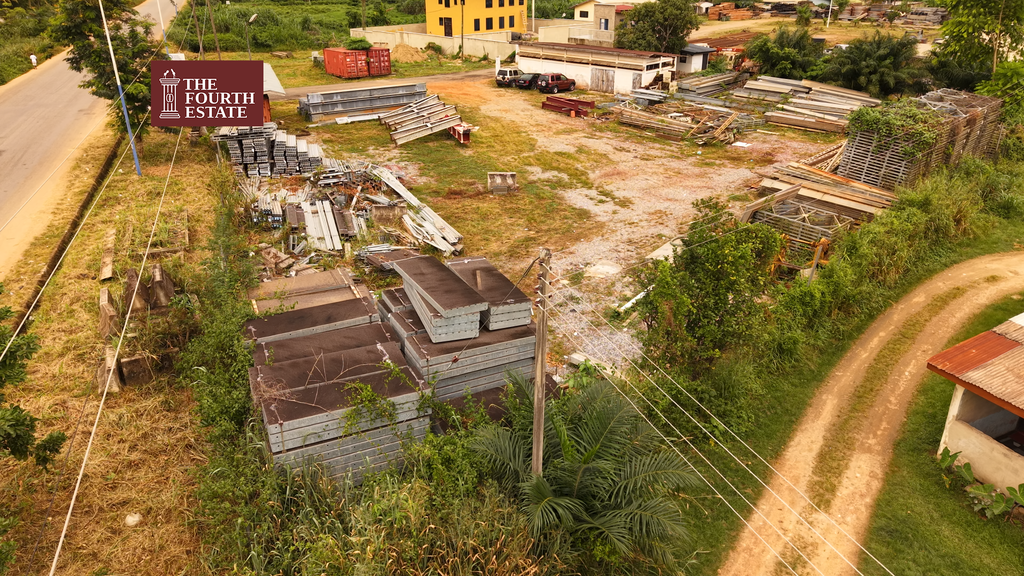
The statement does not say whether those components have yet to be manufactured or delivered, are awaiting shipment, have been sent elsewhere, or are otherwise unaccounted for.
Bridge components moved after publication
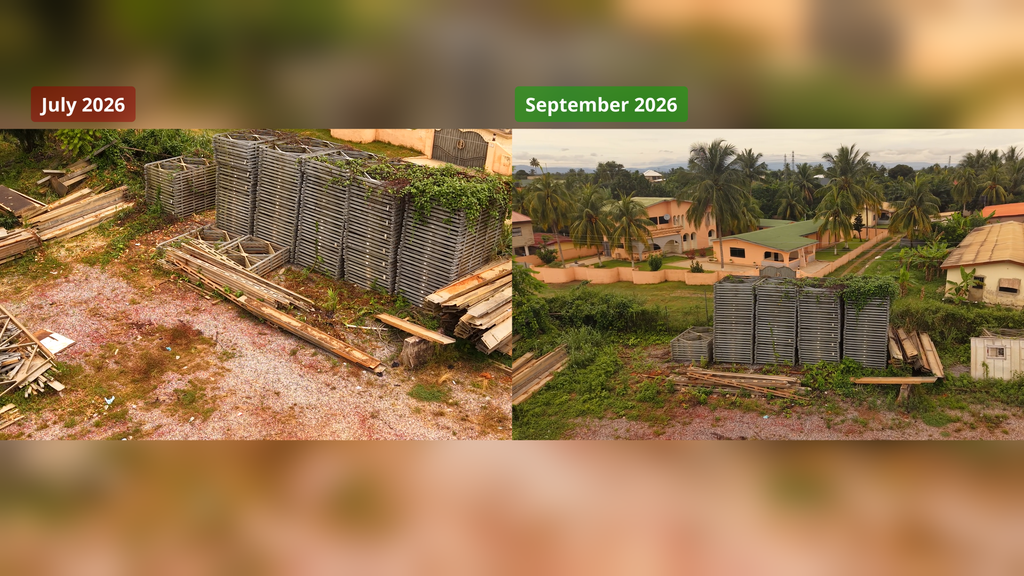
Hours after The Fourth Estate published its investigation, information was received that some of the components stored at the Ghana Highway Authority’s Bridge Management Unit at Kukurantumi were being moved.
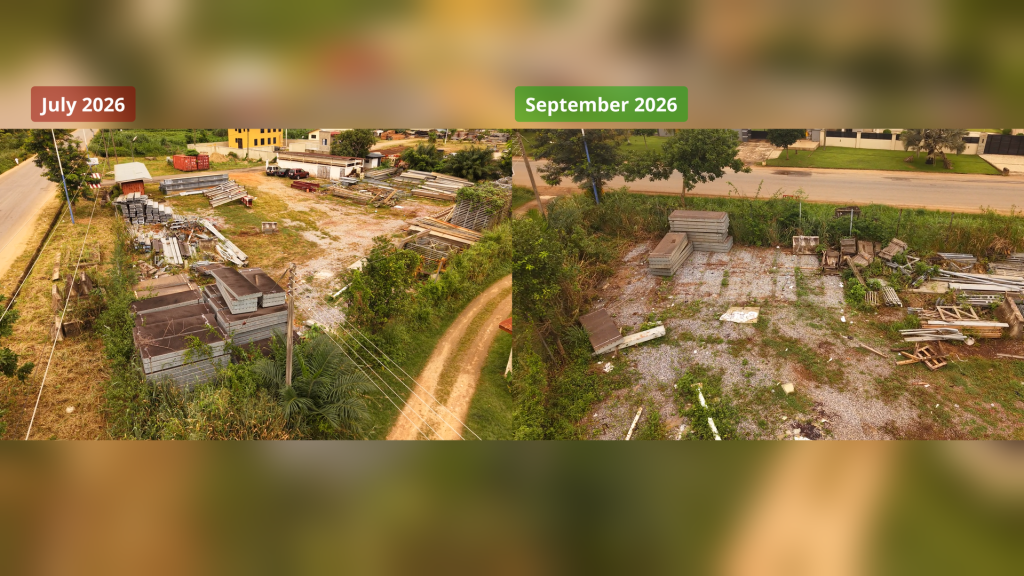
When reporters visited the facility, some components previously seen at the site were no longer there.
Several stacks of steel slabs had been removed, along with horizontal beams used to support them. Some girders intended for the outer edges of the bridge decks had also been moved.
A source familiar with the situation, who asked not to be named, told The Fourth Estate that some of the components had been sent to Dzolokpuita in the Volta Region, while others had been dispatched to the Northern Region for installation.
The Fourth Estate subsequently visited the Ghana Highway Authority’s Bridges Directorate to seek details about the movement of the components.
The director’s secretary referred reporters to the Authority’s Public Relations Office, where an officer said the head of the unit was unavailable and directed The Fourth Estate to Mr Danquah’s statement.
Become a member of The Fourth Estate community
For 5 years, we've investigated matters of public interest and helped hold power to account.
Now we're launching our Membership Programme, a community of people who believe independent journalism is worth sustaining, and want to help us do more. Join us as a member, and bring a friend along.
Join the community now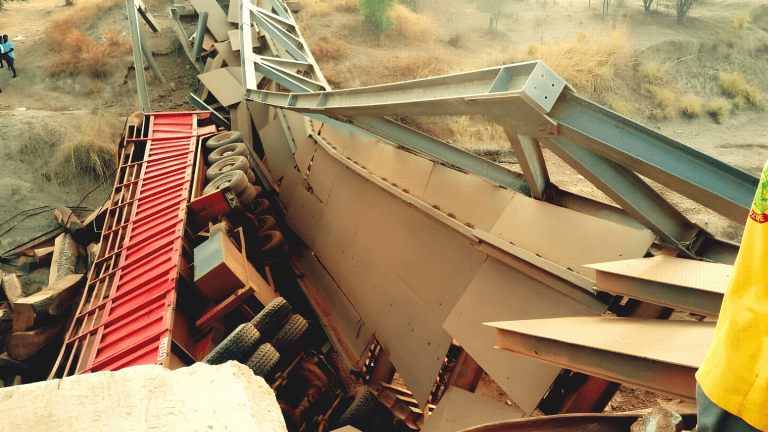
Four years after collapse, Navio bridge still claims lives
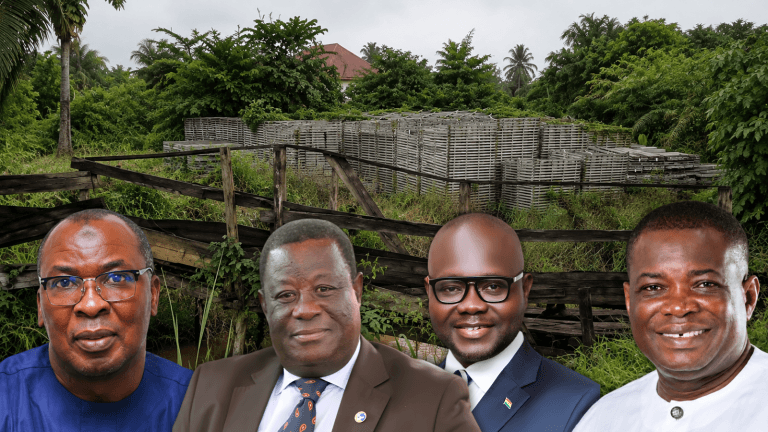
Bridge components worth over £43 Million abandoned while communities face dangerous crossings

Presidency investigations into Big Push sole-sourcing: Did Valerie Sawyerr Committee deliberately put out false information to clear Ministry or it was misled?

MFWA drags Ghana Highway Authority to RTI Commission over refusal to release Big Push contracts
Comments
No comments yet. Be the first to share your thoughts on this story.