
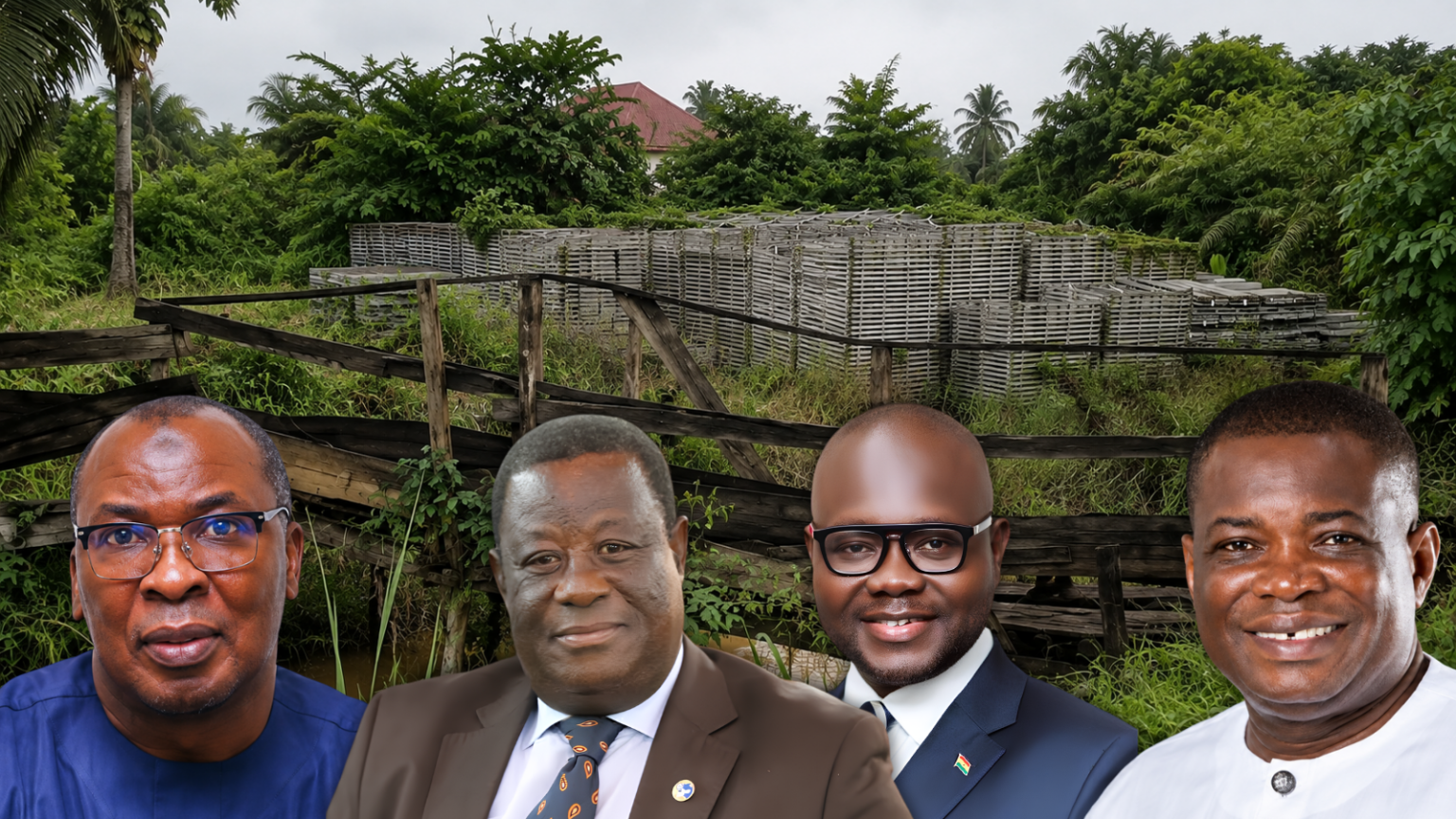
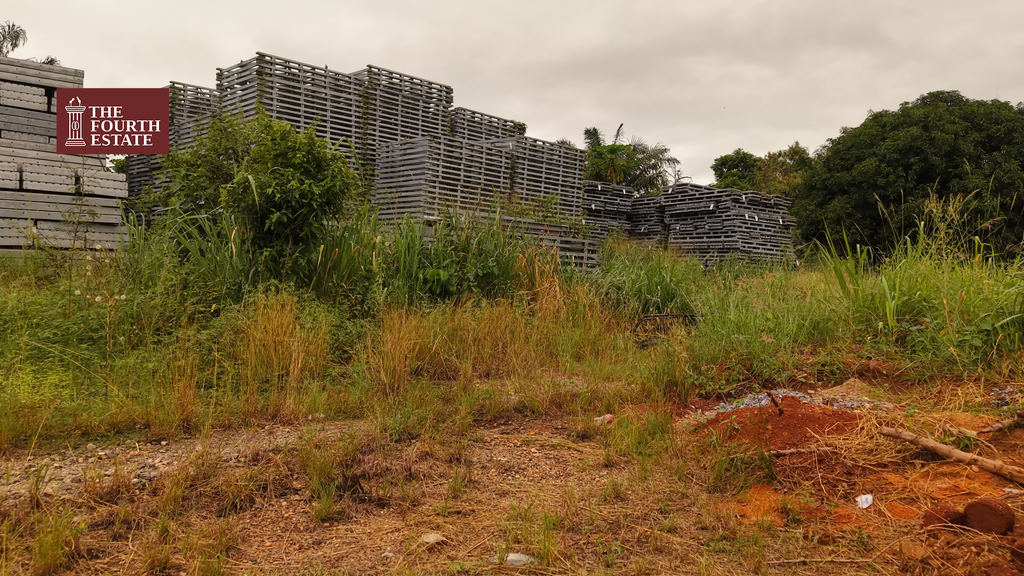
Prefabricated components capable of constructing at least 25 bridges have been left unused at two government facilities in the Eastern Region, an investigation by The Fourth Estate has found.
The steel components form part of 89 prefabricated bridges procured through a £43m loan approved by Parliament in 2020.
The bridges were intended to reconnect isolated communities, reduce travel times and improve access to schools, farms, markets and health facilities.
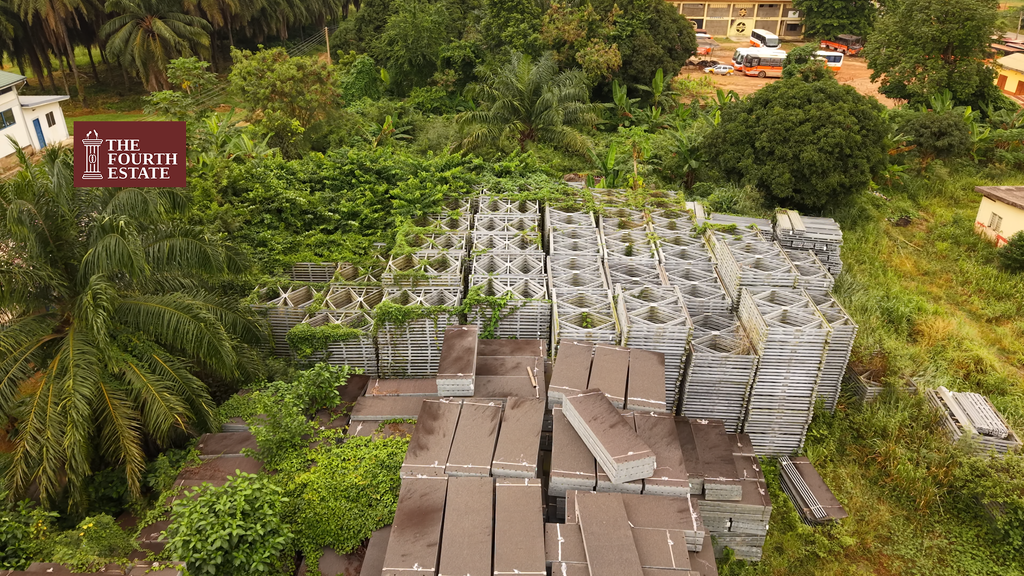
Instead, components for about 20 bridges remain stacked at the National Road Safety Authority’s office in Koforidua, while parts for another five are being kept at the Ghana Highway Authority’s Bridge Management Unit in Kukurantumi.
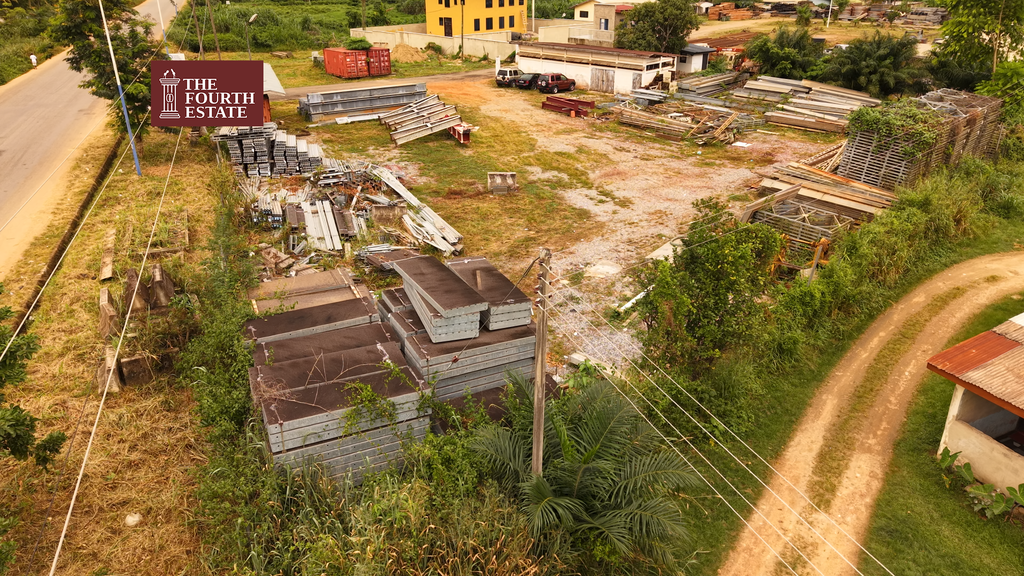
A source familiar with the project, who asked not to be identified, said only 15 of the 89 bridges had been installed across the country.
That leaves questions about the location and status of the remaining 49 bridges, including whether all the components have been delivered to Ghana.
The Fourth Estate submitted a request to the Ghana Highway Authority on June 8, 2026, seeking details of how many prefabricated bridges had been received and where they had been installed.
The Authority has not yet provided the information. It has also not responded to our request for comment.

The Ministry of Roads and Highways, which oversees the Ghana Highway Authority, was also asked for an interview on July 22, 2026. It had not responded at the time of publication.
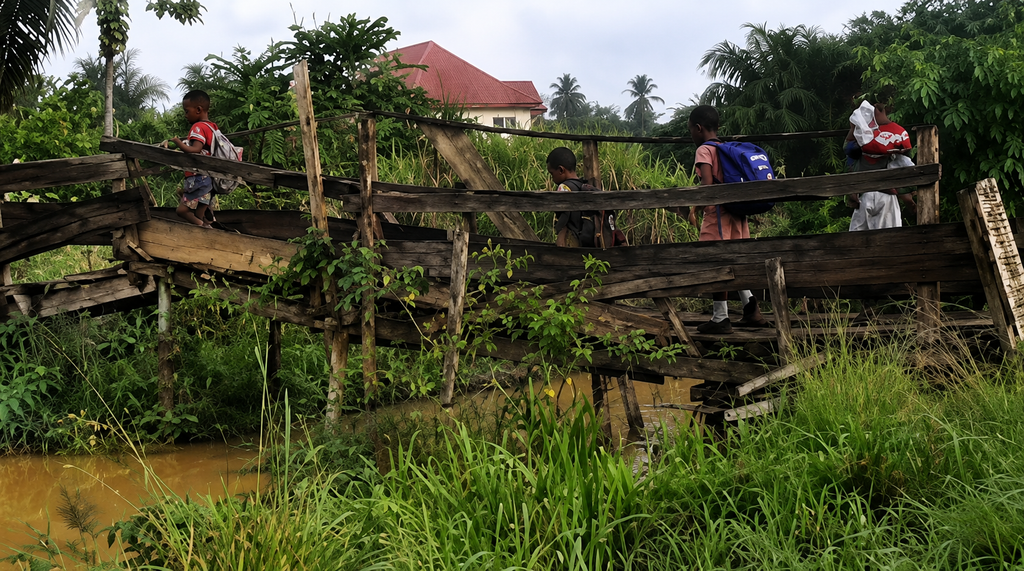
The unused components remain in storage as people in several communities continue to cross rivers and streams without permanent bridges – putting their lives at risk.
In February 2025, President John Mahama promised to construct a bridge for Asuokaw in the Eastern Region after a video showing a schoolboy carrying a younger pupil across the Ayensu River was widely shared online.
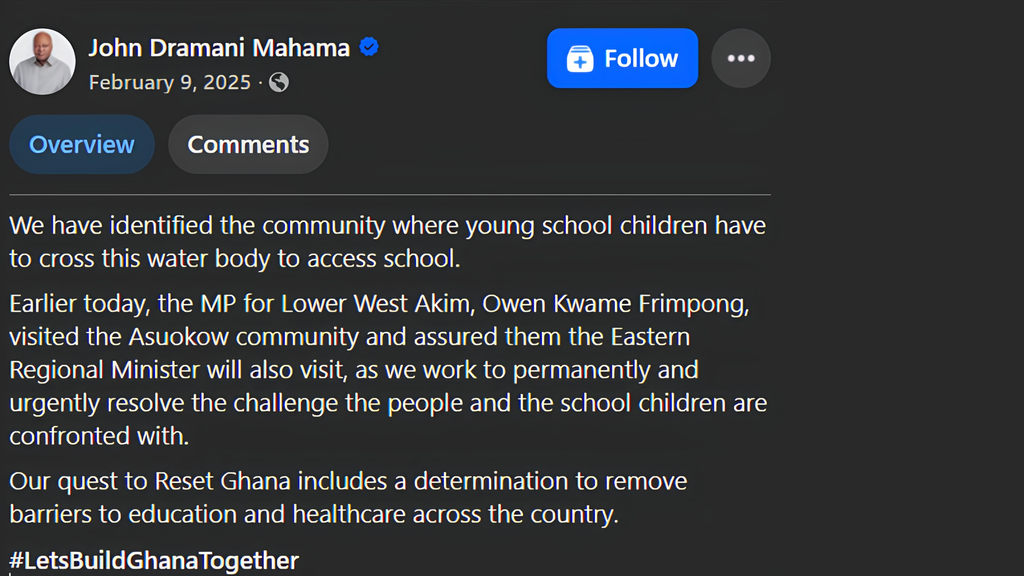
A month and two days after taking office, the President said on Facebook that his administration was working to “permanently and urgently resolve the challenge the people and the school children are confronted with.”
Construction of the bridge had stalled for months. It took a report by The Fourth Estate for work to resume.
In Neberehi in the Ashanti Region, residents have also been demanding a bridge across the Offin River.
In 2018, a resident, Haruna, lost his father and brother after their boat capsized while they were travelling to their farm.
Residents say a bridge is needed to protect schoolchildren and farmers who regularly cross the river.
Ngleshie Amanfro has experienced similar incidents.
In 2024, two people drowned while attempting to cross the Agyei River. One was a seven-year-old boy who was swept away while returning from an errand. An adult had died in similar circumstances a few months earlier.
Residents said a makeshift wooden bridge they had built was later washed away, leaving the community without a safe crossing.
The Executive Director of Transparency International Ghana, Mary Addah, questioned why infrastructure intended to save lives had been allowed to remain unused.
“Is there no supervising engineer who was supposed to ensure that these prefabricated bridges which were procured are put in the right places?” she asked.

Mrs Addah also questioned whether a change of government had disrupted the project.
“Is it because there was a change of government and for that matter, the process truncated? And if it’s truncated, haven’t we gone over 16 months?” she asked.
She called for an investigation into the procurement and the reasons the bridge components had not been installed.
A civil engineer, Sampson Agudze, who has more than 15 years of experience, said the bridges could have been installed if the project had been treated as a priority.
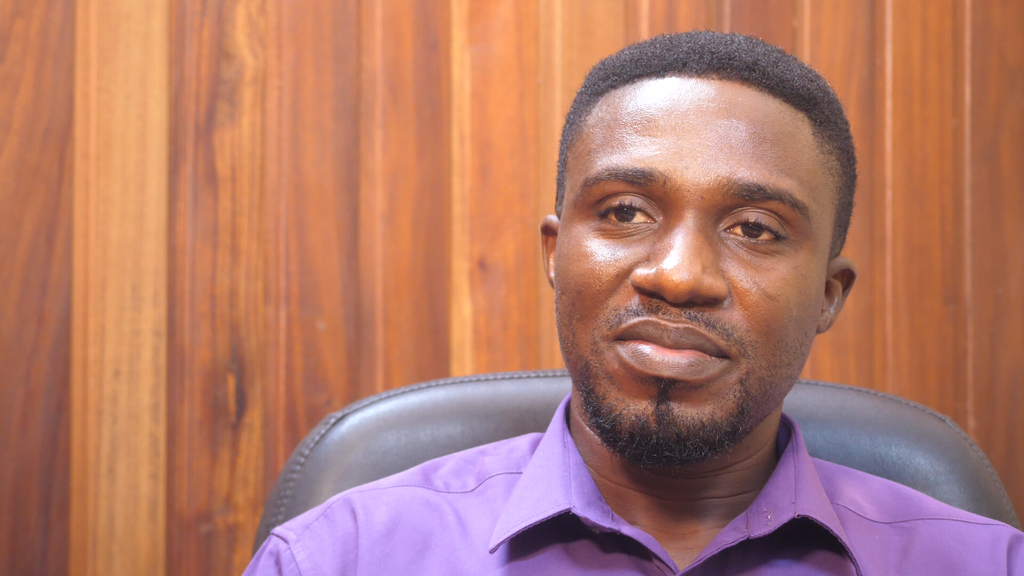
“It can be between 6 months to one year. But it can still even be three months,” he said.
However, Mr Agudze said the components should first be inspected before any installation begins.
“First of all, the government needs to get a team to do inventory. To confirm whether the parts that have been delivered are intact,” he said.
Such an assessment would establish whether all the necessary components remain available and whether years of storage have affected their structural integrity.
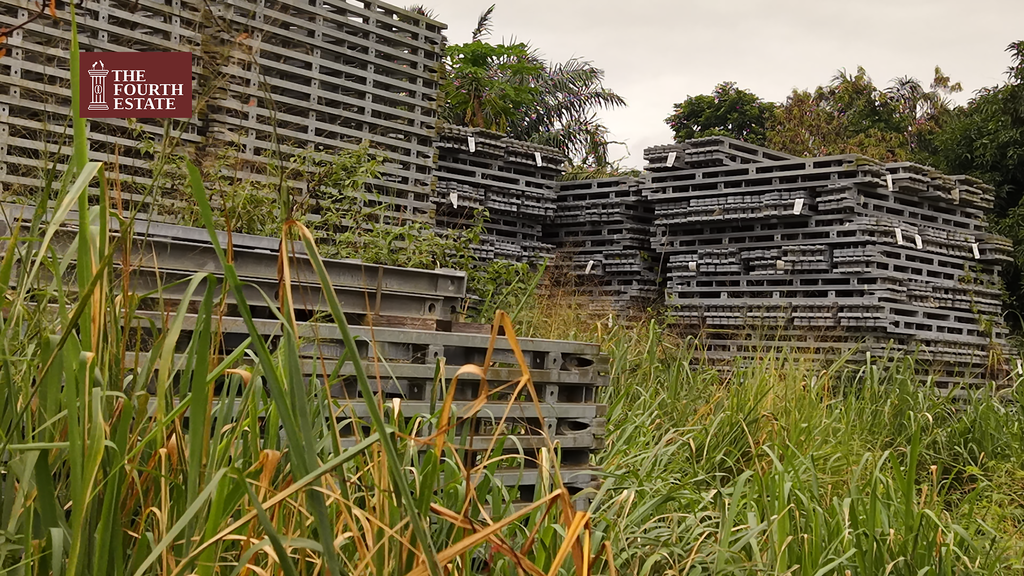
The prefabricated bridges were procured to make journeys safer for communities divided by rivers and streams. But while steel components remain unused in government yards, residents continue to rely on boats, temporary wooden structures or dangerous crossings on foot.
Until the components are installed in the communities they were intended to serve, the promise of safer travel will remain unfulfilled.
Become a member of The Fourth Estate community
For 5 years, we've investigated matters of public interest and helped hold power to account.
Now we're launching our Membership Programme, a community of people who believe independent journalism is worth sustaining, and want to help us do more. Join us as a member, and bring a friend along.
Join the community now

Comments
No comments yet. Be the first to share your thoughts on this story.