
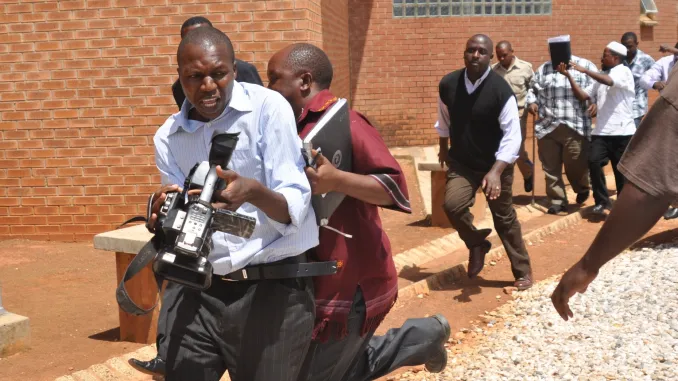
Ghana is routinely held up as West Africa’s press freedom model, a country whose Constitution guarantees independent media, bans censorship, and shields journalists from harassment. Yet, beyond the rankings, many reporters step into Ghana’s most volatile stories armed with little more than a notebook, a phone, and personal courage.
From election grounds to protest marches, and to illegal mining sites, journalists often work without life insurance, safety gears, nor formal safety training. For many, the danger is real, affecting them physically and mentally.
Interviews with journalists, editors, regulators, lawyers, and security experts reveal a troubling contradiction: safety is often ignored or only addressed after attacks occur.
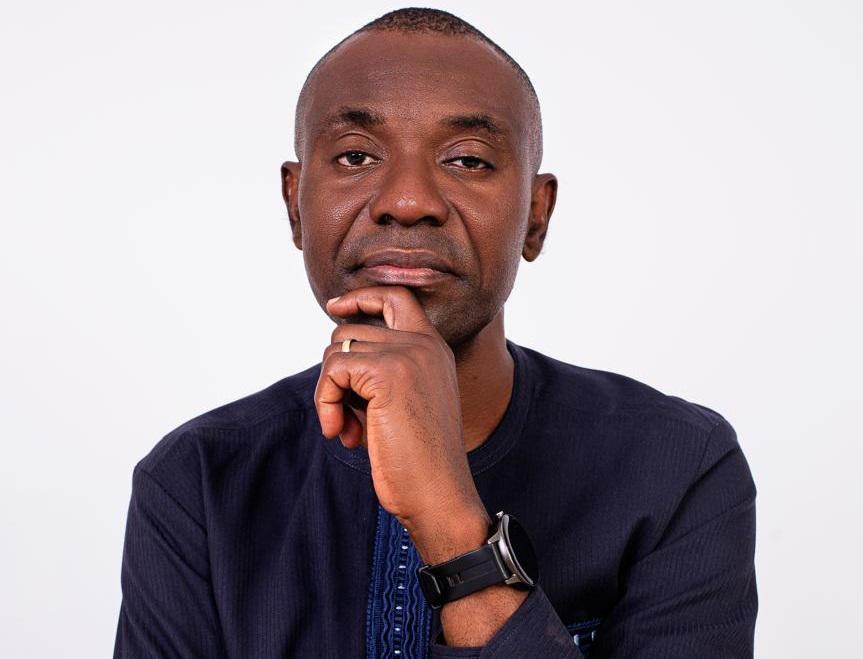
“Ghana’s media sector does not treat safety as a high-priority cost; if budgets are being cut, safety is usually one of the first things to suffer,” says Dr. Emmanuel Sowatey, a criminologist and security analyst.
Adib Saani, Executive Director of the Jatikay Center for Human Security and Peacebuilding, is even more direct.
“Most media houses in Ghana have not done any form of security training for their journalists,” he says. “They only act when the worst-case scenario happens.”
Former Upper East Regional Correspondent of The Chronicle newspaper, William Nlanjerbor Jalulah, was attacked in 2009 while covering a political victory rally at Nangodi. “I was slapped from behind, dragged into a gutter, beaten until I became unconscious,” he recounts.
His camera was smashed, his shirt torn. Despite filing a police complaint and submitting evidence for medical treatment at the Upper East Regional Hospital in Bolgatanga, the case collapsed.
“Nothing happened to the attackers at the end of the day,” he says. “The perpetrators knew they were beating up a journalist who was just doing his work. That is the most painful part.”
The failure of the state to successfully prosecute those who assault journalists, according to press freedom advocates, breeds a culture of impunity and a sense that attacking and hurting journalists has no consequences.
“Despite Ghana’s reputation as a stable democracy, journalists are regularly attacked in connection with their work,” says Jonathan Rozen, Programme Coordinator for Africa at the Committee to Protect Journalists (CPJ). Over recent years, CPJ has recorded attacks on Ghanaian journalists covering elections, politics, environmental crimes, and illegal mining with little accountability.
“Impunity is particularly glaring in the case of Ahmed Hussein-Suale,” Rosen notes, citing the case of the investigative journalist who was shot dead near his home in Accra after exposing corruption in Ghanaian football.
“After nearly seven years and repeated statements of commitment from political leaders, no one has been held responsible.”
The Ghana Journalists Association (GJA) recorded at least 13 attacks on journalists between January and October 2025.
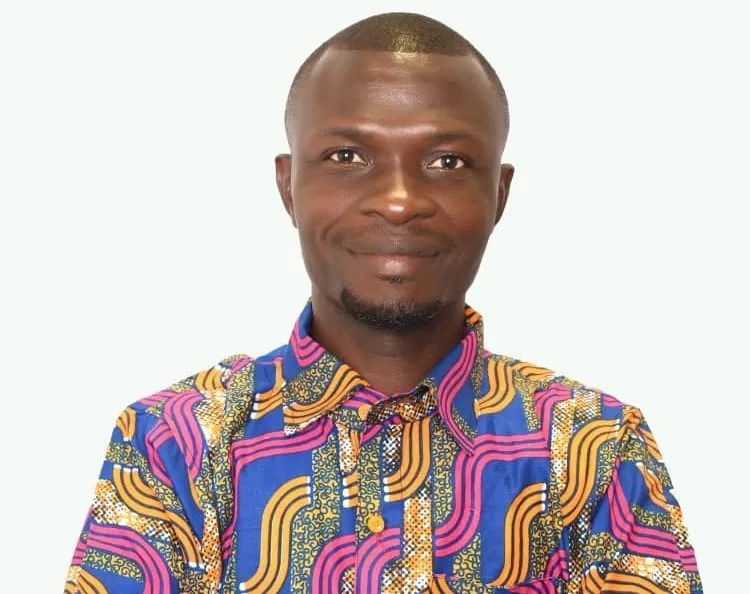
“These are only the cases reported to us,” says Dominic Hlordzi, General Secretary of the GJA. “There are many instances where journalists quietly settle with their attackers or simply move on because they don’t believe justice will be served.”
Press freedom advocates are worried that such private settlements or decisions not to pursue those who attack reporters could negatively affect journalists’ work.
“An attack against one journalist is not just an individual matter,” says Dora B. Mawutor, Director of the Freedom of Expression Programme at the Media Foundation for West Africa.
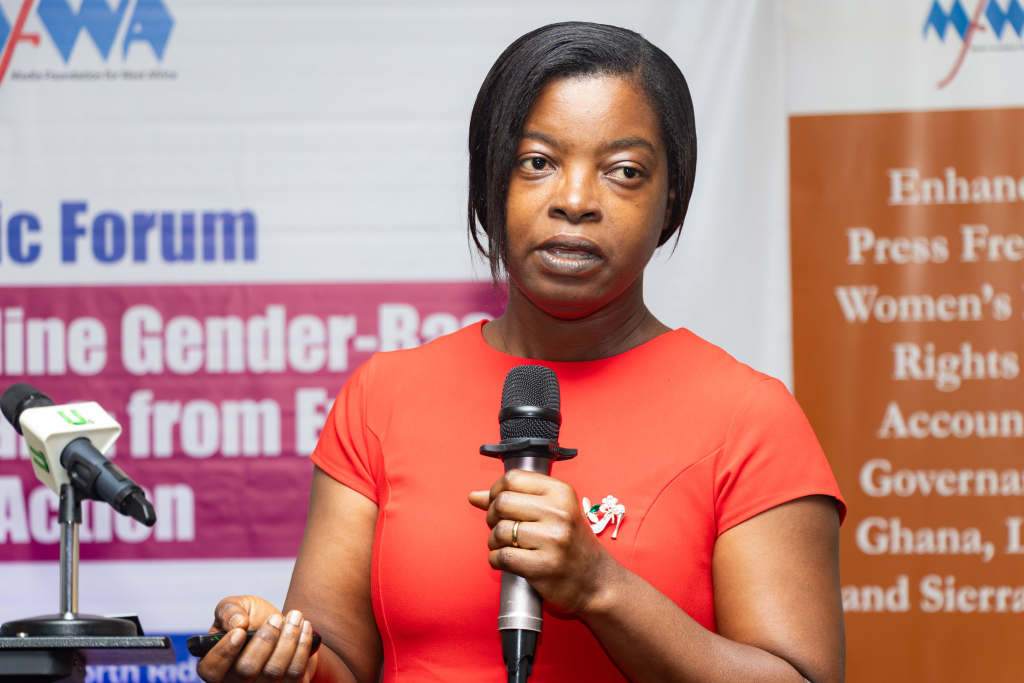
“It creates fear across the profession and leads to self-censorship. When journalists see what happens to colleagues who are attacked and receive no justice, they begin to avoid certain stories.”
The National Media Commission, the constitutional body mandated to promote and ensure the freedom, independence, and responsibility of the media in Ghana, is also worried that many attacks on journalists go uninvestigated.
“When journalists are attacked, many don’t report it. Some rely on public sympathy while others struggle to provide enough evidence,” says George Sarpong, Executive Secretary of the National Media Commission. “There have been situations where something has happened, it’s in the public domain, but when we try to investigate, the people pull off.”
Inside newsrooms, managers admit safety is often overlooked. “In most newsrooms, there is no specific budget line for journalists’ safety,” says Charles Suglo, Manager of Hills FM in Adaklu-Hasu in the Volta Region. “Safety training and insurance are seen as luxuries rather than necessities.”
Joshua Asaah, Head of News at A1 Radio in Bolgatanga, echoed that assessment.
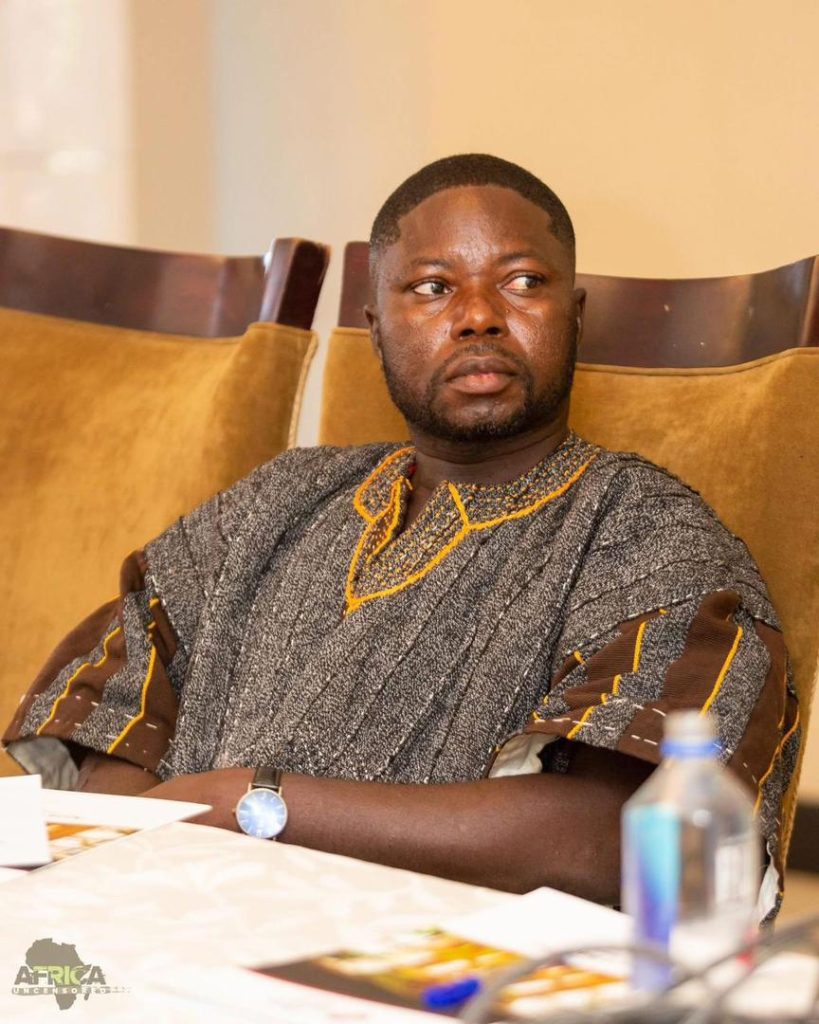
“There are no clear safety policies in most newsrooms,” he says. “When journalists are attacked, management responds, but there is usually no prior planning or protection in place.”
The question of insurance for journalists is a fraught and controversial one that many media managers would rather not talk about. There’s hardly ever any insurance coverage for journalists in Ghana, and those who get hurt in the line of duty are left with financial vulnerabilities.
“It beats my imagination how owners of media houses would not insure journalists, knowing how dangerous this work can be,” says Adib Saani of the Jatikay Center for Human Security and Peacebuilding. “Insurance is not optional. It is critical.”
Without insurance, injured journalists pay their own medical bills, psychological trauma is ignored, and families suffer. If at all a media house would support an injured journalist, the support is inconsistent and far from comprehensive.
During the 2020 elections, GJA arranged temporary insurance with SIC for journalists covering the elections.
“Some journalists who were attacked benefited from that arrangement, and one of them was Pius Asiedu, who was shot while on election duty,” Mr. Hlordzi, the GJA General Secretary, told The Fourth Estate.
Mr Asiedu benefited from this one-time insurance support package that offered brief financial relief, but the assistance was not sustained, and no long-term insurance or compensation followed as his medical needs grew.
Once public attention faded, institutional follow-up and insurance-backed assistance largely disappeared. He is now without a job, can’t walk without the aid of clutches, and he’s seeking financial support to enable him seek medical treatment abroad.
“It is the duty of media owners to insure their journalists,” Mr. Hlordzi insists.
Under Ghanaian law, employee safety is the employer’s duty. But it’s a duty many media companies have abandoned, much to the surprise of press freedom advocates.
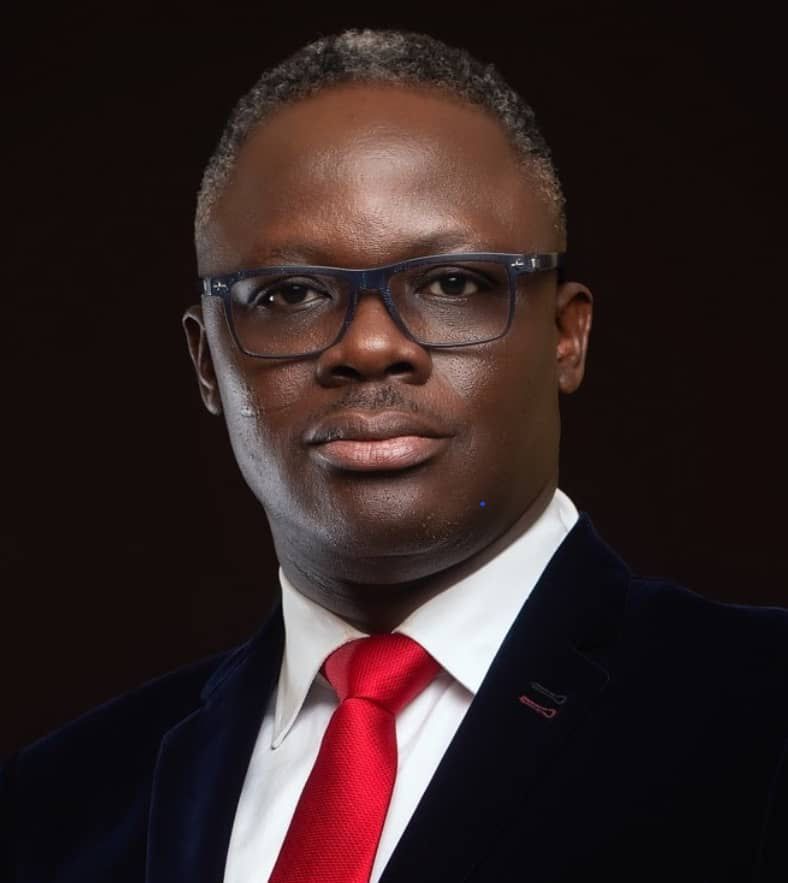
“Any employer at all is under obligation of law to provide tools and ensure that the work environment is generally safe,” says private legal practitioner and 2019 GJA Journalist of the Year, Samson Lardy Anyenini, citing the Labour Act. “The employer is vicariously liable for any injuries suffered by the employee in the course of discharging his or her duties. The media deserves all the protections they can get to do their work and do it well.”
In a country where journalists are attacked for simply doing their job, where prosecutions are lacking, and impunity grows with little to no insurance coverage for them, the constitutional guarantees of press freedom continue to ring hollow as they are compelled to avoid certain stories just to ensure the safety of life and limb.
The author of this report, Shine Esi Kwawukumey, was a 2025 Fellow of the Next Generation Investigative Journalism Fellowship at the Media Foundation for West Africa, with support from DW Akademie and the German Coorperation.
Become a member of The Fourth Estate community
For 5 years, we've investigated matters of public interest and helped hold power to account.
Now we're launching our Membership Programme, a community of people who believe independent journalism is worth sustaining, and want to help us do more. Join us as a member, and bring a friend along.
Join the community now
Kamshegu Water Crisis: CSIR tests reveal bacterial contamination, dam water declared unsafe for drinking
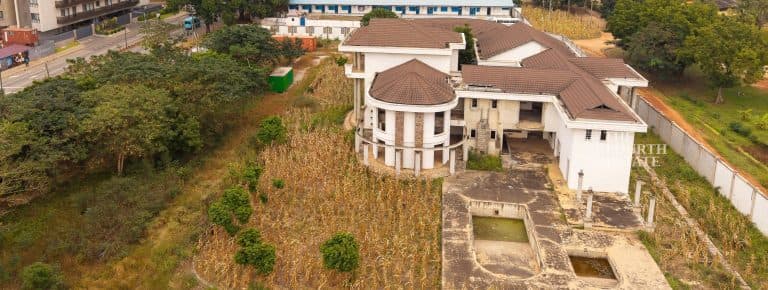
Proposed Vice Presidential Villa abandoned for 13 years after over $ 2.4 million spent
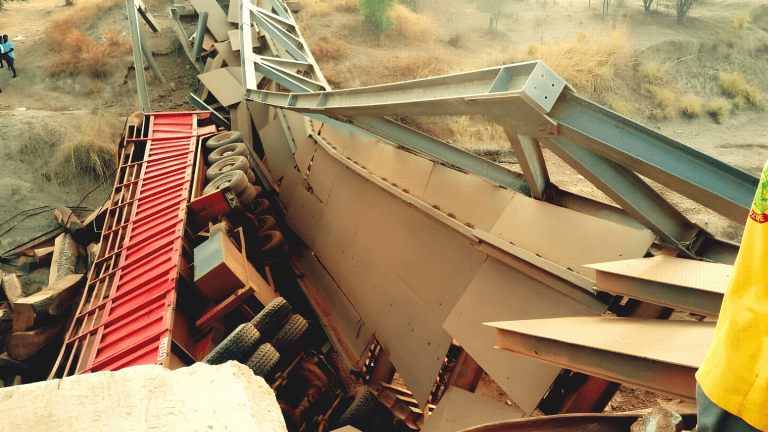
Four years after collapse, Navio bridge still claims lives
MFWA establishes GHS 544,000 Legal Support Fund for journalists in Ghana
Comments
No comments yet. Be the first to share your thoughts on this story.