
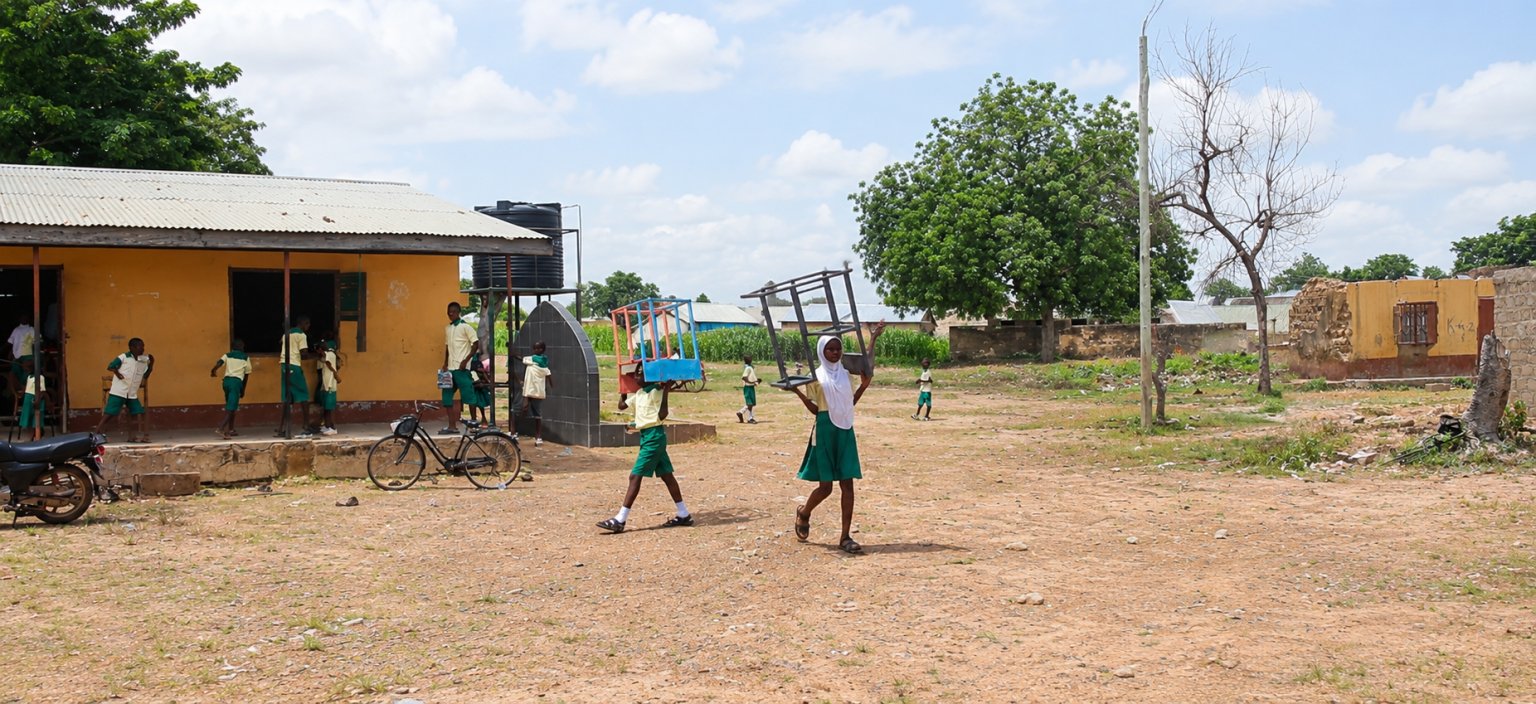
When Barikisu Seidu enrolled her three children at Hamdaniya Basic School in the Bawku West District of the Upper East Region, she was asked to provide chairs for them.
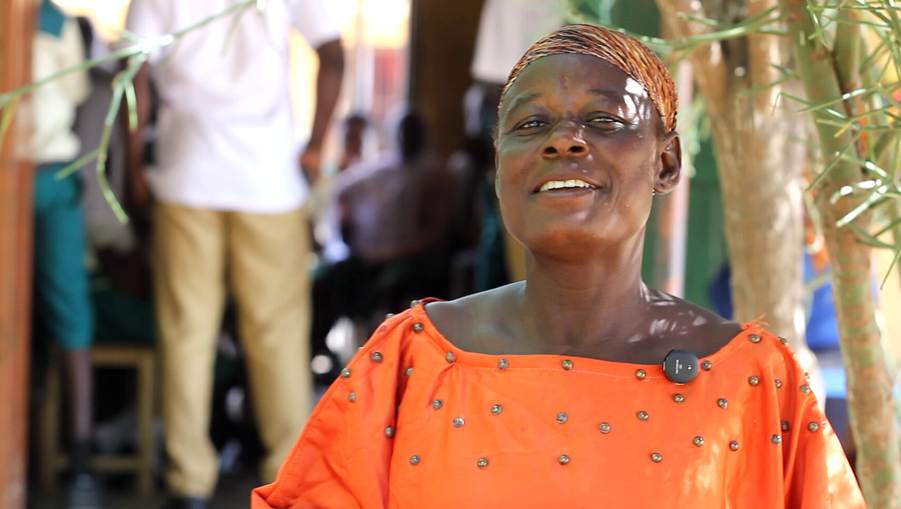
Each chair, she said, costs between GHC400 and GHC450, an additional expense she must bear to ensure her children, in Primary 2, JHS 1 and JHS 3, can be seated for classes.
At Hamdaniya, the shortage is so severe that none of the three junior high school classrooms had school-owned furniture when The Fourth Estate visited.
Students in JHS 2 and JHS 3 brought their own desks, while Primary 6 temporarily released some of its desks to newly promoted JHS 1 students as their parents arranged to purchase furniture.
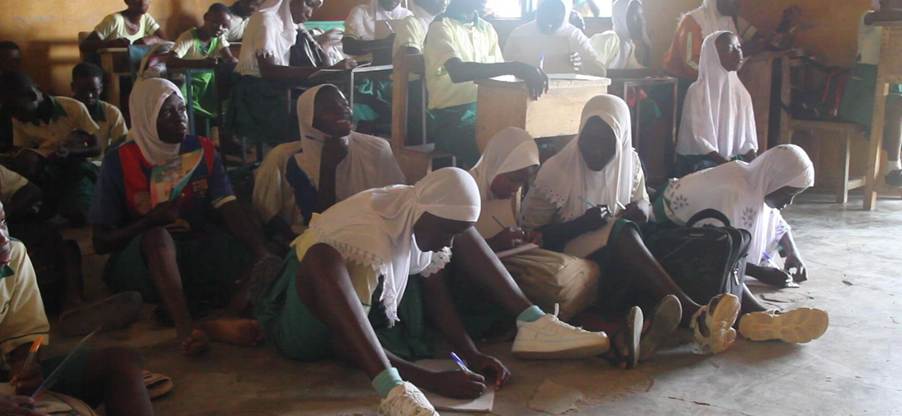
But as there were not enough desks to go around, some JHS 1 students still sat on the floor.
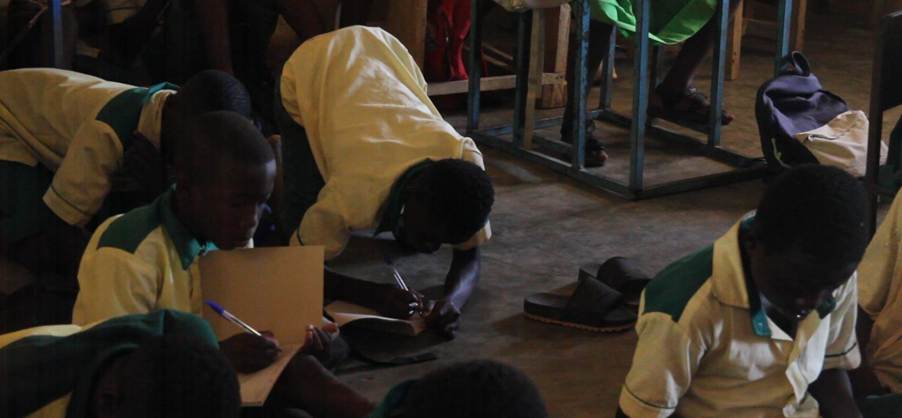
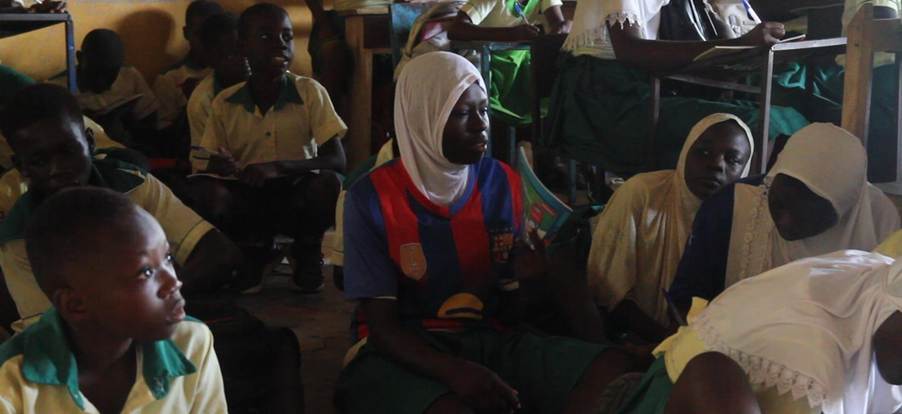
Primary 6 would eventually need its furniture back.
The situation at Hamdaniya reflects a wider infrastructure crisis across the Upper East Region, where The Fourth Estate found schools struggling with inadequate furniture, deteriorating classrooms and buildings abandoned because they had become unsafe.
Children without desks, teachers improvising
At Zebilla Primary School 1, pupils also sit on the floor because of inadequate furniture.
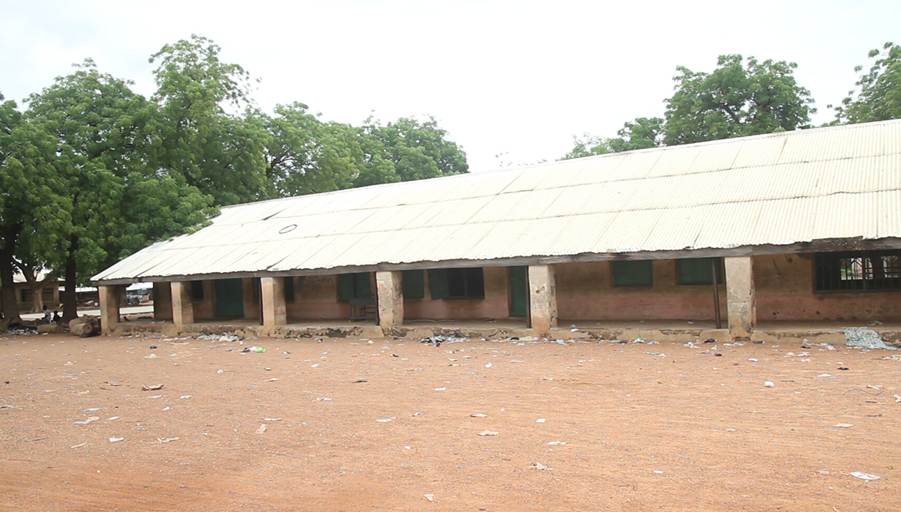
Deborah Azure, a primary five pupil, said some of her colleagues have no desks, while Shantel Awintima Mbawini said children sometimes place their exercise books on the floor, leaving them dirty and torn.
Teachers at Harirya Basic School have resorted to making desks from broken classroom doors.
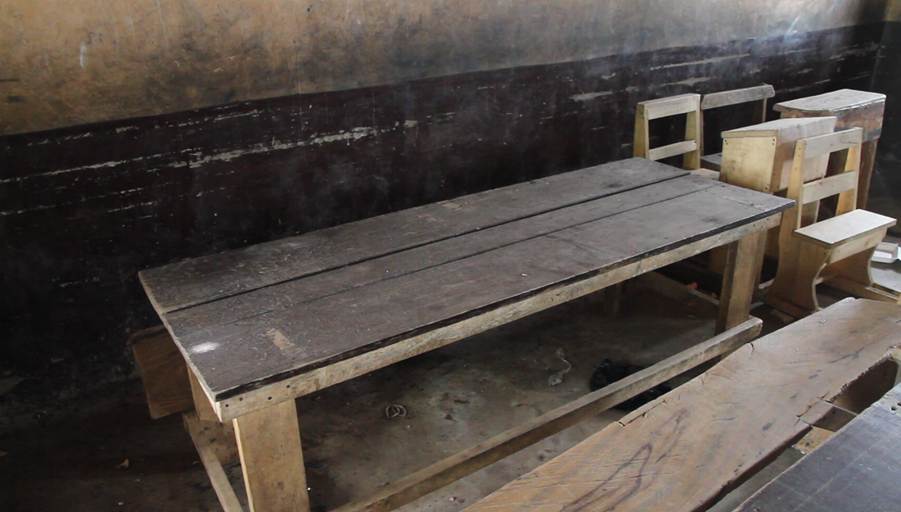
One teacher with carpentry skills began converting the doors into furniture, while colleagues contributed wood and money for nails and other materials.
The scale of the shortage extends across districts.
Sheaga and Yameriga Basic schools in Talensi need 638 desks. Bawku West has 1,020 desks against a requirement of 2,400, while Kongo Senior High School in Nabdam needs at least 1,000 new desks.
Nathaniel Nyaaba, the Upper East Regional Public Relations Officer of the Ghana Education Service, told The Fourth Estate that about 50 percent of students across the region’s basic and senior high schools lack the required infrastructure.
Classrooms falling apart
Beyond furniture, The Fourth Estate found classrooms deteriorating to the point where teaching and learning have become difficult.
At Hamdaniya, a three-unit kindergarten block constructed with mud and plastered with cement collapsed after heavy rains.
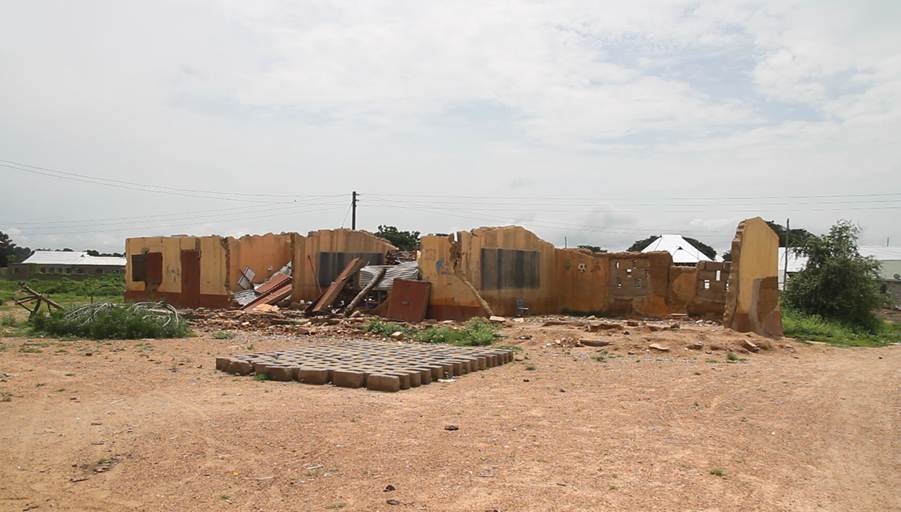
The class one now has almost one hundred students, about three times more than the standard class size, which the headmaster says, should be 30-35.
Staff say the arrangement has created confusion among younger pupils, some of whom identify themselves as Primary 1 students because they share classrooms with them.
At Tampola Primary School in the Kassena-Nankana Municipality, parents rush to the school whenever rain clouds gather, fearing for their children’s safety.
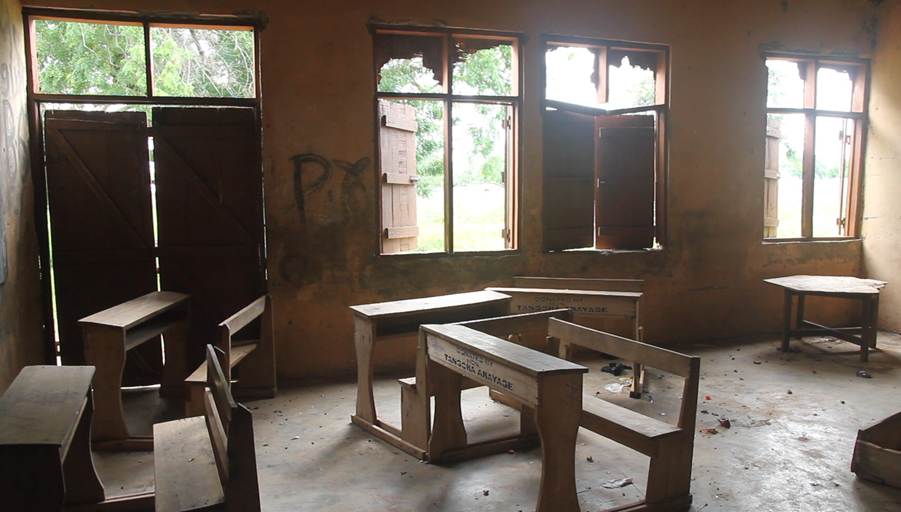
The six-unit classroom block, with broken windows and doors, has cracked walls and floors, damaged roofing and broken desks.
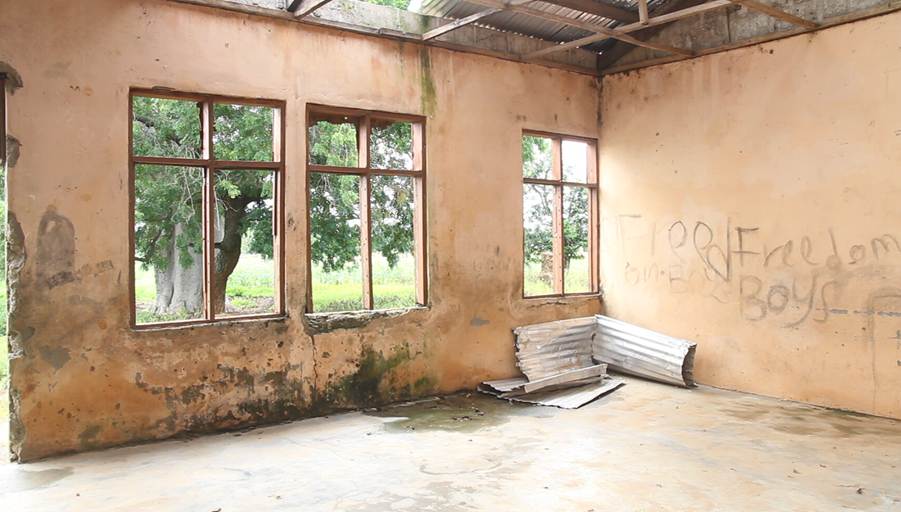
“Anytime it threatens to rain, we have to run to the school to see how the children are faring,” Apripoka Akandilige, a parent, told The Fourth Estate.
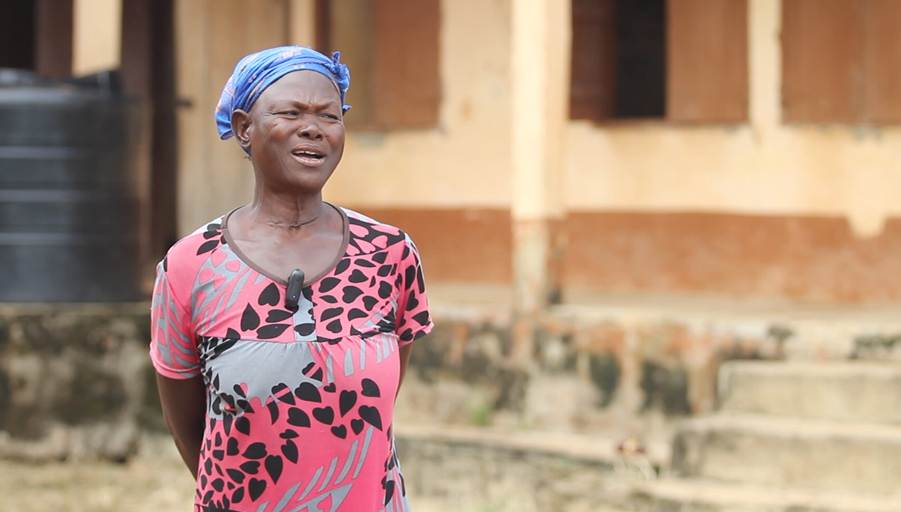
“We are not even motivated as teachers,” headmistress Harriet Bangase says. “Immediately you see the school structure, you become demoralized.”
At Kongo Senior High School, two temporary wooden classroom blocks remain in use about 10 years after construction, despite missing boards, excessive heat and poor sound insulation.
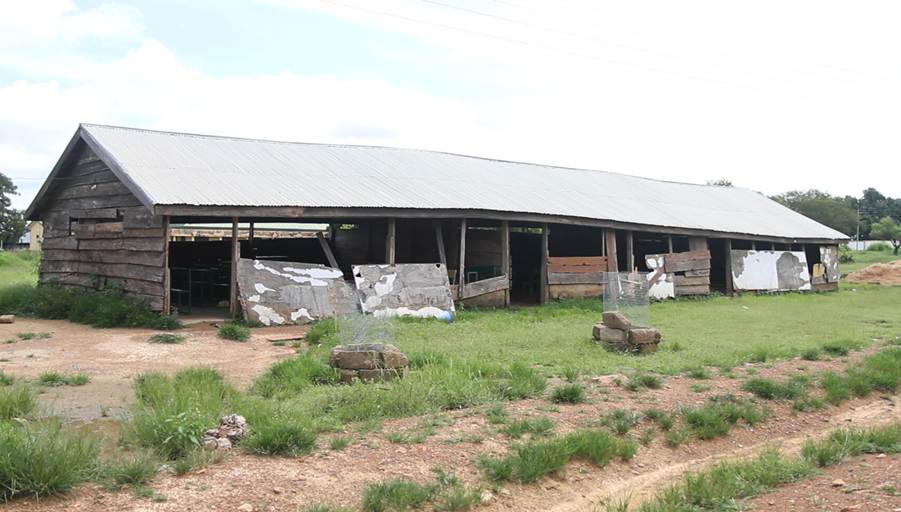
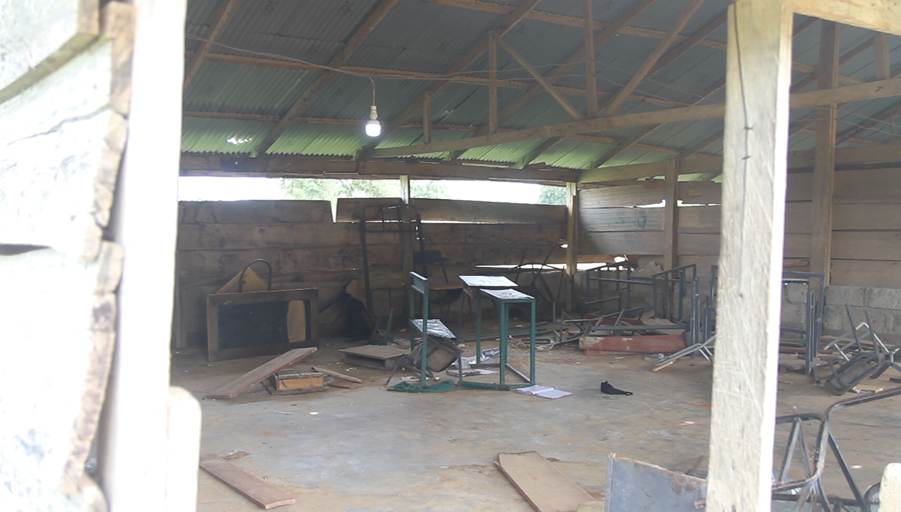
The school, which opened in 1991 with 74 students, now accommodates 2,094.
Parts of another classroom block have lost their roof.
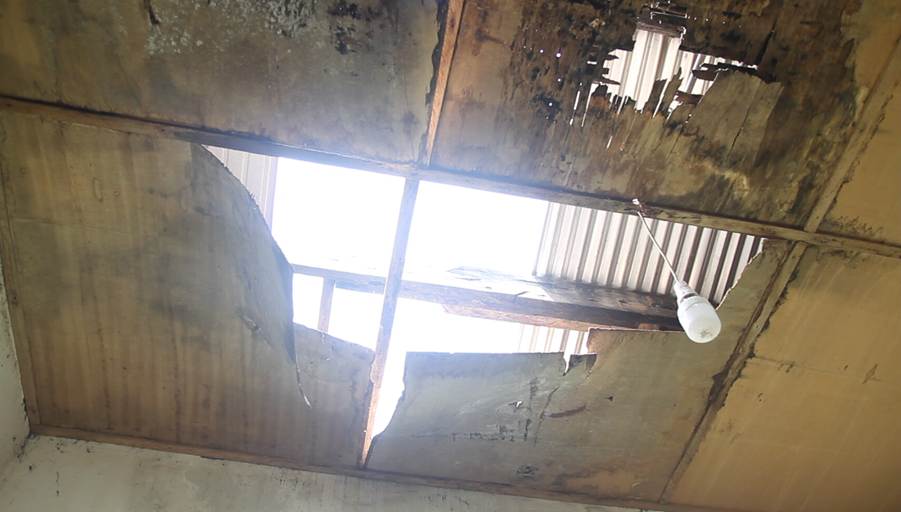
Headmaster Martin Sebig Dittoh says rain once forced students to abandon an examination to seek shelter.
In March 2026, Dittoh travelled more than 700 kilometres to Accra to seek government intervention.
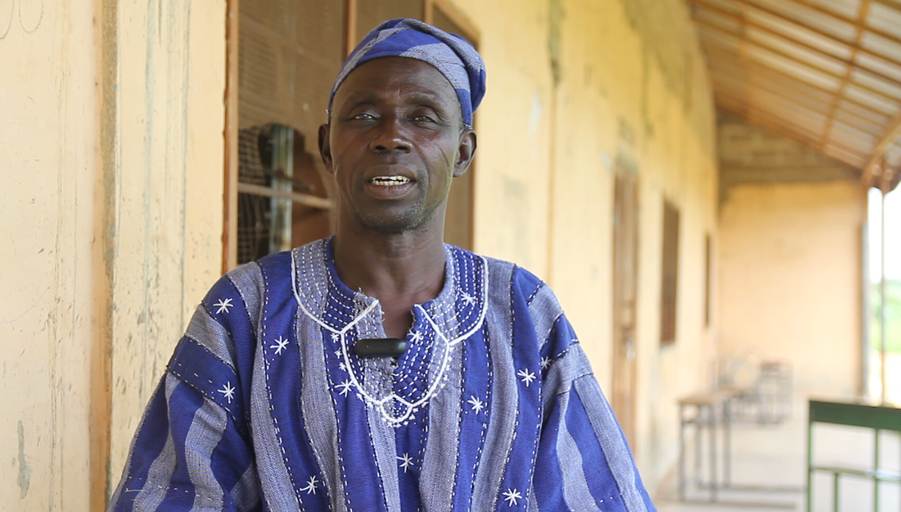
He met Chief of Staff Julius Debrah, who, according to Dittoh, directed that the school’s requests be forwarded to GETFund.
He did but five months on, the school is yet to receive any of the facilities requested.
Elsewhere, damaged roofs have left parts of Sheaga Kindergarten exposed, while classrooms at Yameriga Primary School cannot be secured.
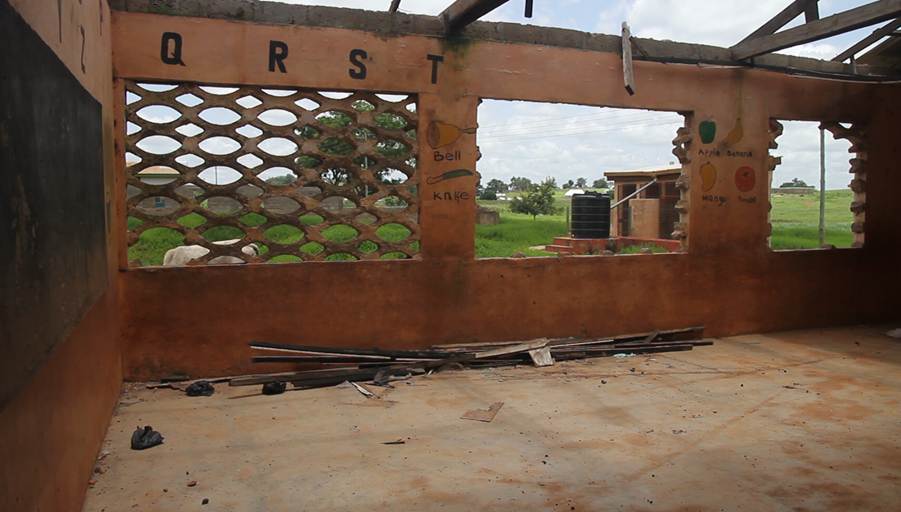
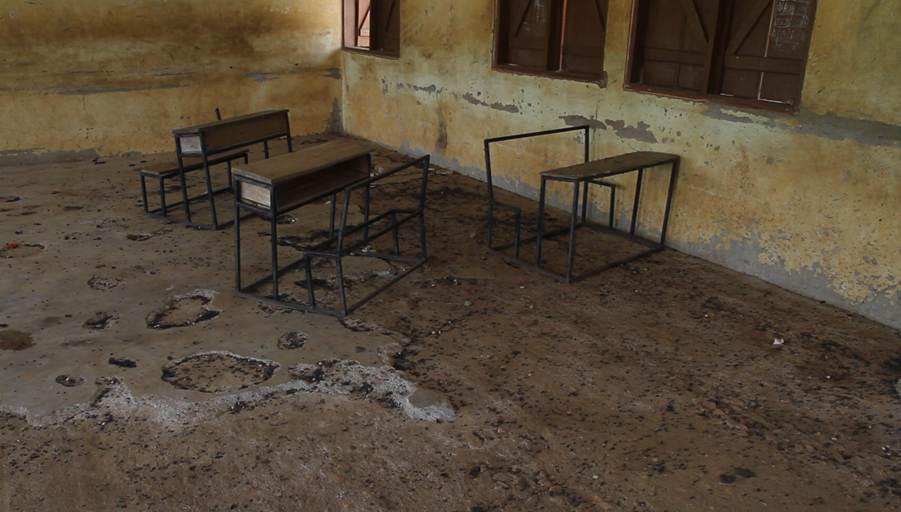
At Zebilla Primary School 1, an 83-year-old stone structure has deteriorating walls, broken windows, damaged blackboards and leaking roofs.
Promises without timelines
Despite repeated appeals, several affected schools remain without assistance.
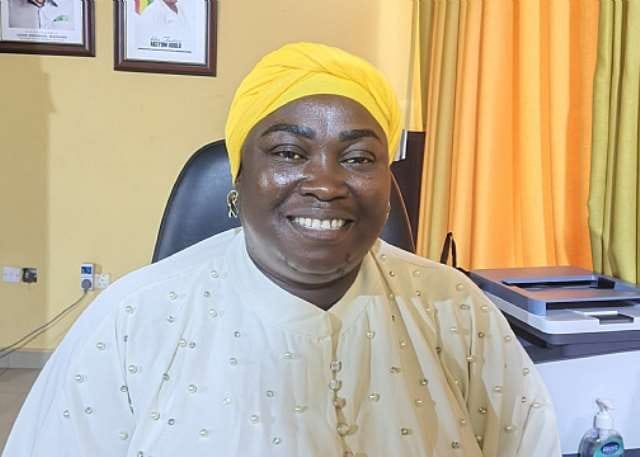
Kassena-Nankana Municipal Chief Executive, Faustina Abulu says Tampola School would be included among the Assembly’s legacy projects, with renovation funded through the District Assemblies Common Fund. She provided no timeline, however.
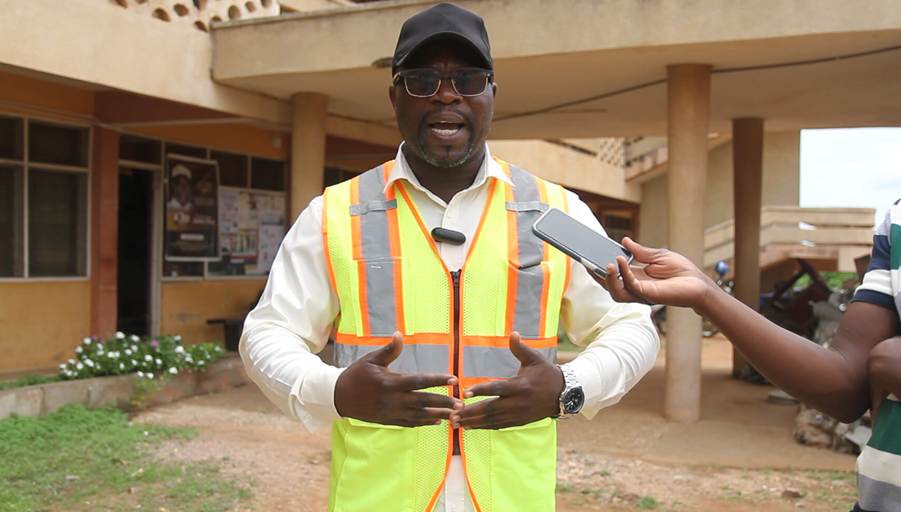
Bawku West District Chief Executive James Ayemwego also promised renovations at Zebilla Primary School 1 but could not say when work would begin.
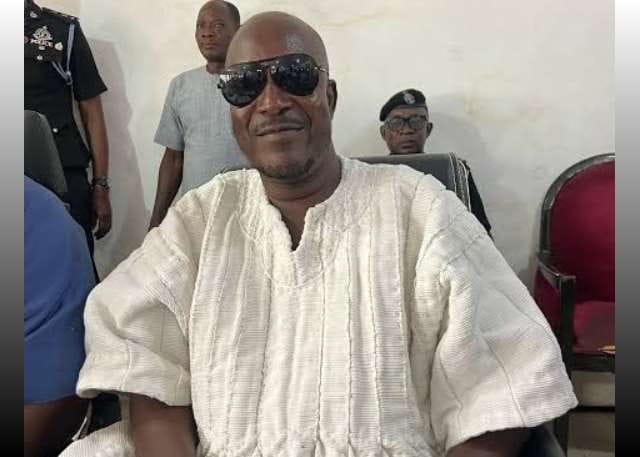
In Talensi, District Chief Executive John Millim Nabwonya said the Assembly was mobilising internal funds to repair damaged schools. Some, including Gaare Basic School, had already been re-roofed, but he provided no timeline for the remaining schools.
Beyond constructing new classrooms
The Report of the Auditor-General on the Public Accounts of Ghana: Ministries, Departments and Other Agencies (MDAs) for the Year Ended 31 December 2025 found that 10,730 public basic schools across 13 regions, serving more than three million pupils, had no classroom blocks.
In the Upper East Region, 659 schools serving 219,582 pupils are operating under trees or sheds.
The Fourth Estate’s investigations exposed another dimension of the crisis: schools where classrooms already exist but years of deterioration have left them barely usable.
Raymond Ayinne, Communications and Advocacy Manager at AfriKids Ghana, says unsafe learning environments contribute to poor academic performance.
Become a member of The Fourth Estate community
For 5 years, we've investigated matters of public interest and helped hold power to account.
Now we're launching our Membership Programme, a community of people who believe independent journalism is worth sustaining, and want to help us do more. Join us as a member, and bring a friend along.
Join the community now
Free Wi-Fi Scandal: Ministry of Education wasted GHC430 million meant to provide internet for students, GES offices
Transcript fraud: How a private school and educational consultancy deal landed a Ghanaian Student in US jail
Court acquits 8 persons accused of school placement fraud
School Placement Fraud: Education Ministry and GES refused to help police – Investigator
Comments
No comments yet. Be the first to share your thoughts on this story.