
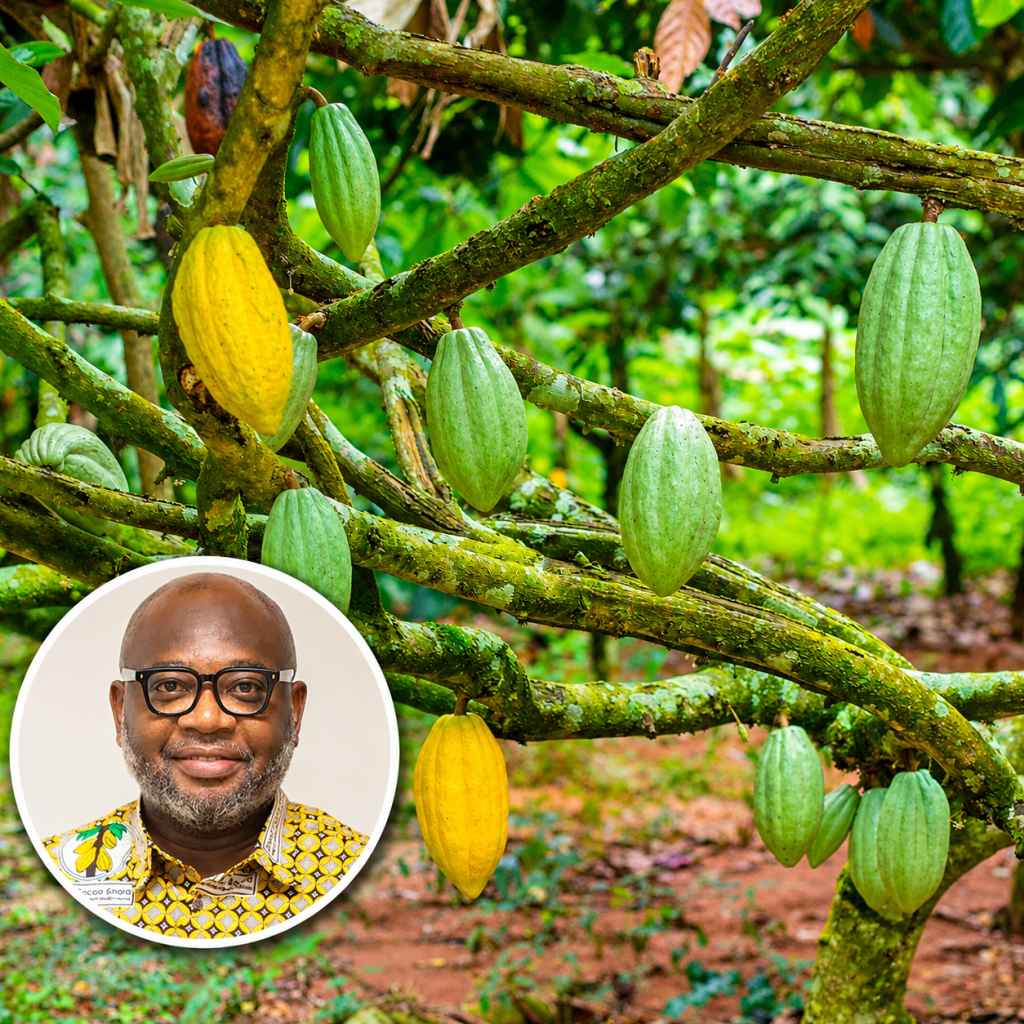
Cocoa farmers around Ghana say promised supplies of free fertiliser, seedlings and pesticides have either failed to reach them or arrived too late, raising concerns about yields as swollen shoot disease continues to damage farms.
Farmers interviewed by The Fourth Estate said the quantities distributed often fell short of their needs, leaving many of them to buy their own inputs or go without essential treatment.
The complaints come as Ghana faces a projected decline in cocoa production.
In July 2026, the Ghana Cocoa Board (COCOBOD) said it expected output to fall by at least 16 per cent in the 2026/27 season, citing swollen shoot disease, ageing trees, illegal mining and poor pod formation.
The governing National Democratic Congress’s 2024 election manifesto promised to “reintroduce free fertilizer, improved seedlings and agro-inputs to increase yields” as part of efforts to boost production of one of Ghana’s biggest export earners. It also pledged to strengthen “pest surveillance and farm biosecurity to prevent disease outbreaks”.
COCOBOD says distribution is continuing and the commitments are being fulfilled. But farmers’ accounts suggest that support has fallen far short of expectations.
In Amansie West in the Ashanti Region, cocoa farmer Ampadu Darko Senior says he has received no fertiliser and has joined other farmers in petitioning President John Mahama.
In nearby Sekyere South, Chief Farmer Agyen Brefo says only seven farmers in his community received free fertiliser in August 2026 – at least three months too late. He needed more than 100 bags but received 33.
He estimates that fewer than five per cent of farmers in the district benefited from government support, and, even so, he says the supplies arrived too late.
“The fertilizer was needed in April and May,” he says.
In Anyinam in the Eastern Region, assemblyman William Yeboah Boateng says fertiliser arrived in late August 2026, when the farming season was almost over. He says he has received neither seedlings nor pesticides.
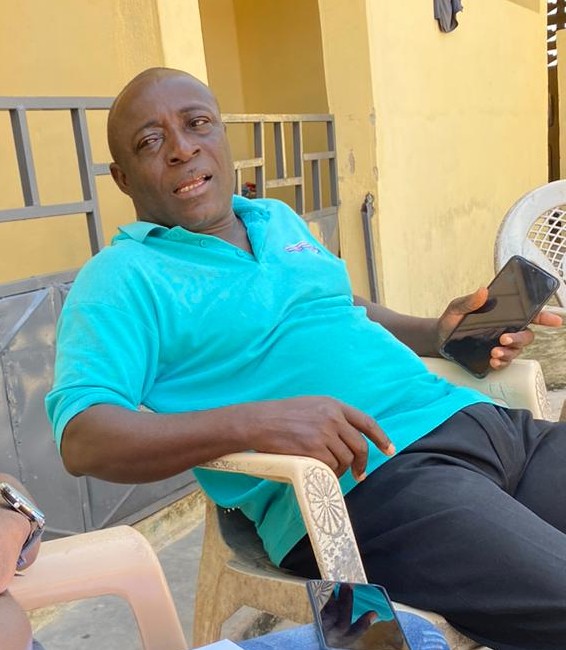
Richard Adu, an assemblyman in Sunyani in the Bono Region, says he received no fertiliser in 2025 and 2026. His agricultural extension officer confirmed that none had been received for distribution.

In Techiman North in the Bono East Region, farmer and assemblyman Felix Owusu Kyeremeh says no fertiliser has reached the farmers he represents.
In Jomoro in the Western Region, farmers’ leader Augustine Accah says some growers received liquid fertiliser, but supplies of granular fertiliser for pruned farms were insufficient.
Inadequate seedlings
Farmers also report shortages of the seedlings needed to replace ageing trees and bring new land into cultivation.
Mr Kyeremeh says farmers in Techiman North expected about 2,000 seedlings but received just about 1,000 in May.
In Ho Central in the Volta Region, cocoa farmer Erko Christian says he requested 500 seedlings but received only 50. His extension officer told him fertiliser would arrive in September or October, but he says it never came.
Ebenezer Danso, a farmer in Twifo Atti-Morkwa in the Central Region, says he needed about 1,225 seedlings last year to plant 3.5 acres. He received just 450, enough for only one acre. This year, he says, he has received none.
Mr Adu says free seedlings were available until 2024, but he received no such support in 2025 or 2026.
Shortages extend to pesticides and farm maintenance services.
Mr Erko says he buys his own chemicals but can afford to treat only one acre. Government support, he says, would allow him to cover three.
Other farmers say the cost of chemicals forces them to spray once or twice instead of the optimal five applications.
Mr Kyeremeh says government spraying and pruning teams have not visited farms in his area this season, leaving his trees with unhealthy leaves and poor flowering.
“By the end of this year, the cocoa production will reduce,” he warns.
COCOBOD’s figures
In response to questions from The Fourth Estate, COCOBOD said it had allocated 984,800 bags of granular fertiliser to all cocoa districts, covering approximately 126,427 hectares.
The board also said 46.4 million hybrid seedlings had been distributed through 39 stations, while each round of insecticide application covers 1,394,777 hectares.
It did not, however, provide the requested breakdown of how many farmers had received fertiliser or seedlings. Neither did it identify the districts and communities where deliveries had been completed.
On disease surveillance, COCOBOD said its Cocoa Health and Extension Division conducts regular surveys to identify outbreaks. Its third nationwide survey for the 2025/2026 operational year identified 544 outbreak areas covering 5,651 hectares affected by swollen shoot disease.
The board said it had planned four rounds of insecticide application. In its September 2026 response, it said five regions had received supplies for all four rounds, while Western North and Brong Ahafo had received supplies for three.
Farmers interviewed by The Fourth Estate nevertheless said spraying and other interventions had not reached all their farms.
Questions over distribution
President of the Ghana Cooperative Cocoa Farmers Association, Issifu Issaka, says very few of its members have received seedlings, fertiliser or pesticides. He says farmers have not been given clear criteria explaining why some receive support while others do not.
President of the Ghana National Association of Cocoa Farmers, Stephenson Anani Boateng, says the quantities distributed are so inadequate that he does not rely on government inputs to maintain his farm.
“The quantities can never feed my farm,” he says, dismissing the promises in the NDC manifesto of 2024 as “political talk”.
The Akurase Mpuntuo Foundation, which advocates for smallholder farmers’ access to inputs, markets and extension services, also says most farmers have not received the promised support.
“Those who have received them, often got them late,” Executive Director, Peter Dadzie, told The Fourth Estate. “But you see, Cocoa trees will not forgive you for missing those periods.”

Mr Dadzie who is also a cocoa policy analyst attributes the delays partly to COCOBOD’s financial difficulties. He says suppliers have told the foundation they have gone years without payment from COCOBOD, discouraging some from bidding for contracts.
He proposes starting procurement earlier and allowing cooperatives to buy approved inputs directly, with COCOBOD’s farmer database used to identify eligible beneficiaries.
Mr Dadzie says a hectare of cocoa can potentially yield about 1,000 kilogrammes, but farmers are obtaining around 400 kilogrammes. He attributes the shortfall partly to delays in supplying inputs and pruning trees.
He warns that yields could fall further if farmers continue to miss the periods when their trees most need treatment and care.

A “scientific” schedule
COCOBOD’s Chief Executive, Dr Randy Abbey, says fertiliser distribution follows a “scientific” schedule, with applications timed to the needs of the crop and not “because it has been promised”.
The Board says distribution is continuing and that the programme is not administered through farmer associations.
It acknowledged “communication gaps” in delivery and said it is determined to ensure that all of its commitments, including the supply of free fertiliser and agrochemicals, “are actively being fulfilled”.
Become a member of The Fourth Estate community
For 5 years, we've investigated matters of public interest and helped hold power to account.
Now we're launching our Membership Programme, a community of people who believe independent journalism is worth sustaining, and want to help us do more. Join us as a member, and bring a friend along.
Join the community now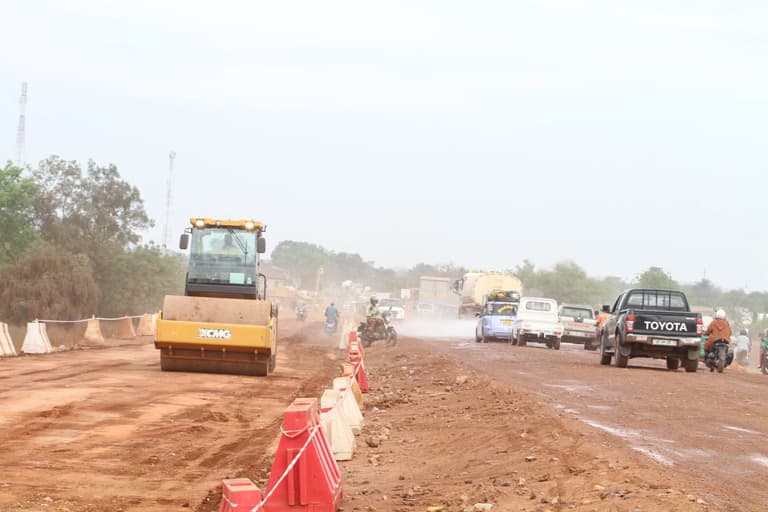
The one-kilometre nightmare: Contractor returns to site after The Fourth Estate report

Govt’s embarrassing RTI merry-go-round: 3 institutions, 3 responses, one Presidential report
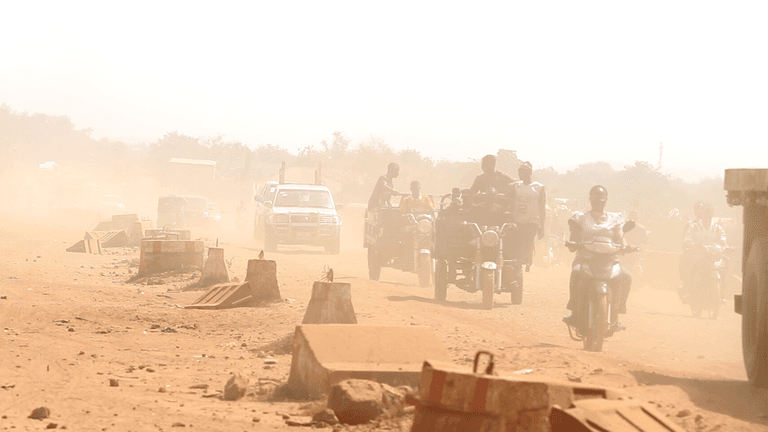
The one-kilometre nightmare: Contractor disappears after mobilizing to site during Mahama’s visit
Cantonments’ ‘Monster’: NAFTI runs out of space as permanent campus rots
Comments
No comments yet. Be the first to share your thoughts on this story.