
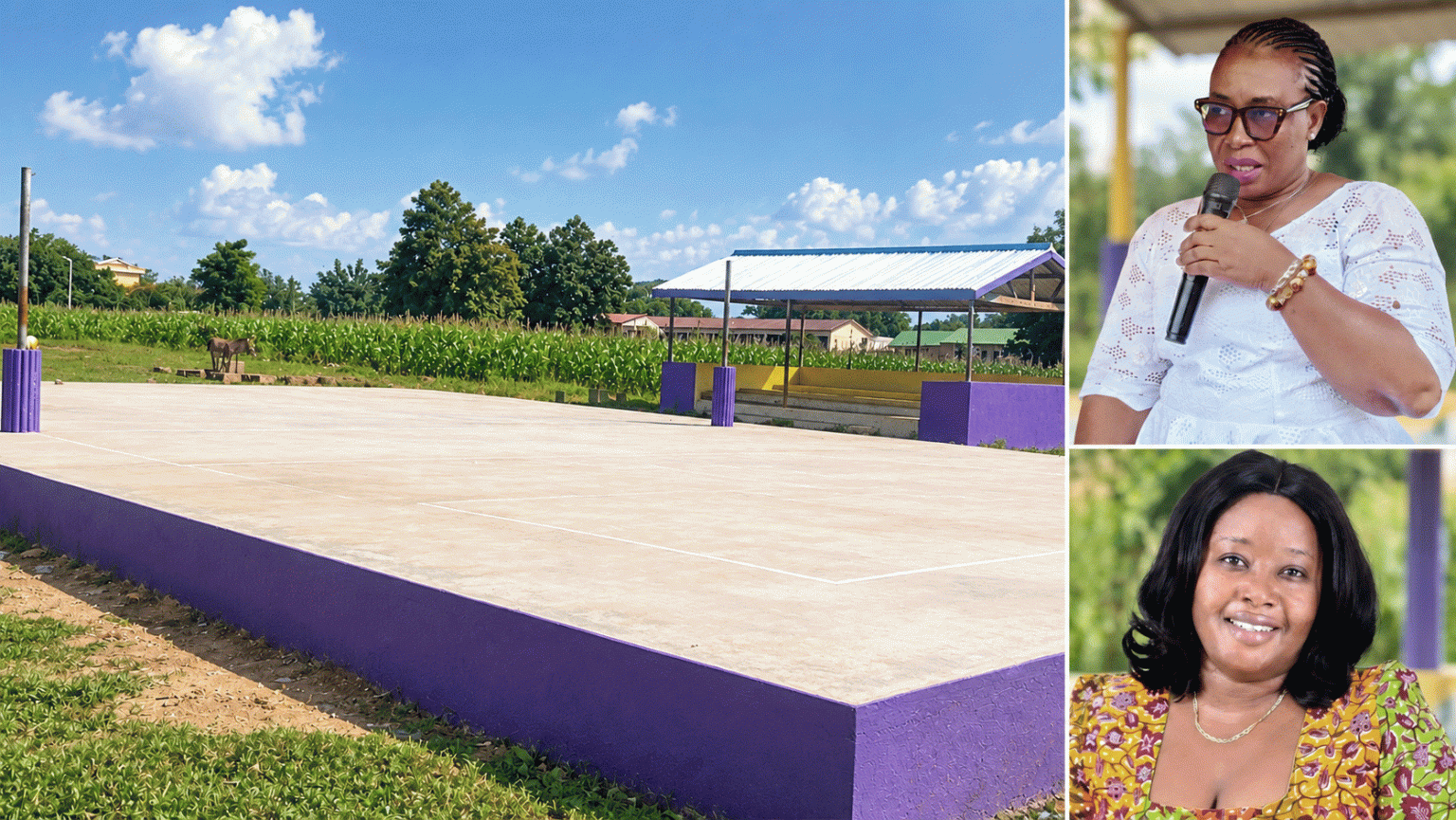
A volleyball court built at a cost of more than GHS213,000 in the Bongo District of the Upper East Region has remained unused for more than two years, after young people in the community rejected the facility.
The youth say they were not consulted before the Bongo District Assembly constructed the court and argue that the money would have been better spent improving a football park that is already widely used by young people.
The facility was constructed in 2024 under the World Bank-funded Gulf of Guinea Northern Regions Social Cohesion (SOCO) Project, which supports infrastructure and social cohesion initiatives in northern Ghana.
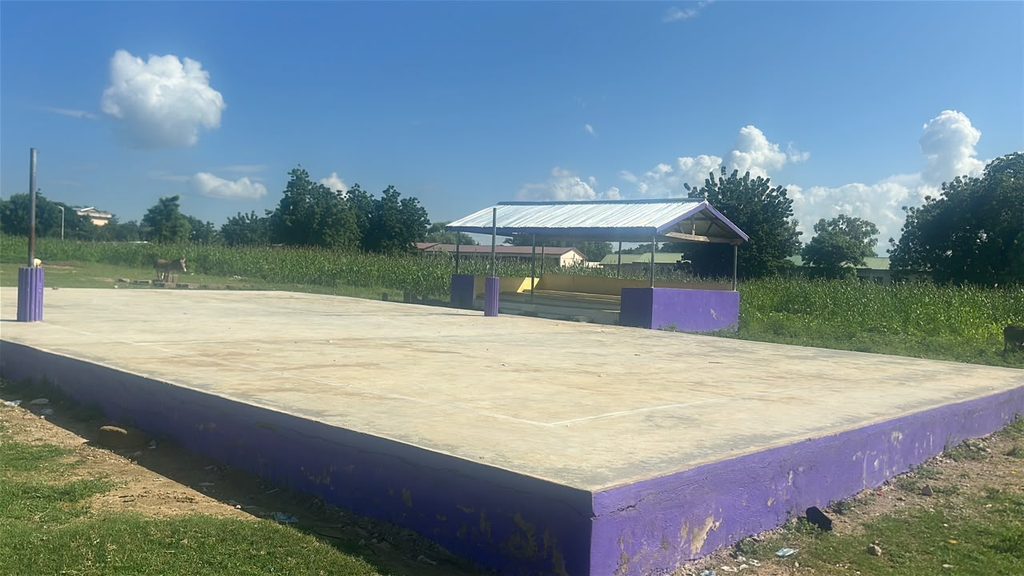
But some young people in Bongo told The Fourth Estate that volleyball game has little following in the community and questioned why the Assembly chose to invest in the sport.
For 23-year-old Godwin Akurubire, the decision is particularly difficult to understand given the sporting interests and economic challenges facing young people in the area.
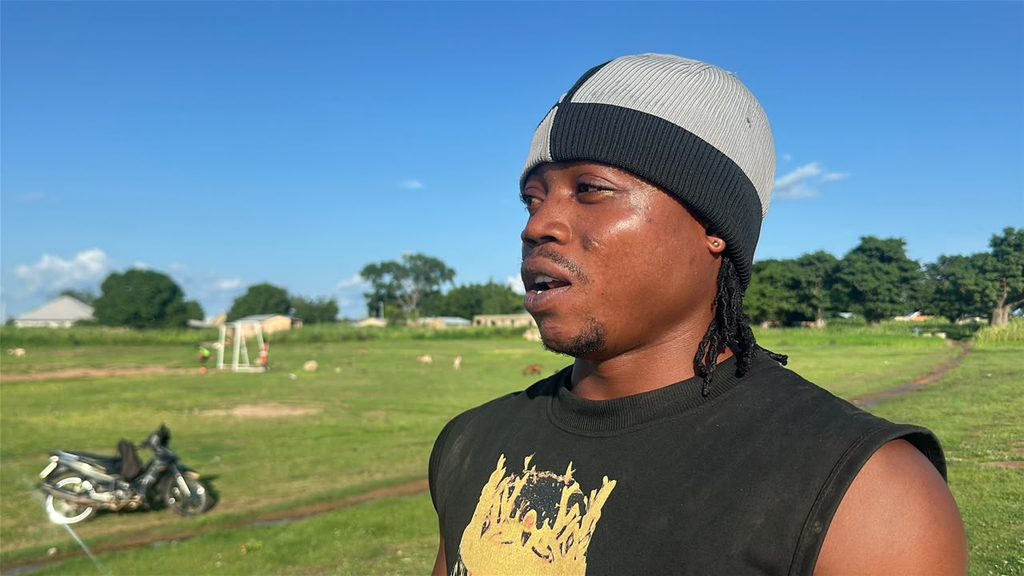
“There are no volleyball players in Bongo,” he said. “Even if [the Assembly] were bent on spending the money on sporting activity, it should have been our football park. What all the youth here like is football.”
Rodney Aduko, a 20-year-old resident, also questioned the usefulness of the facility.
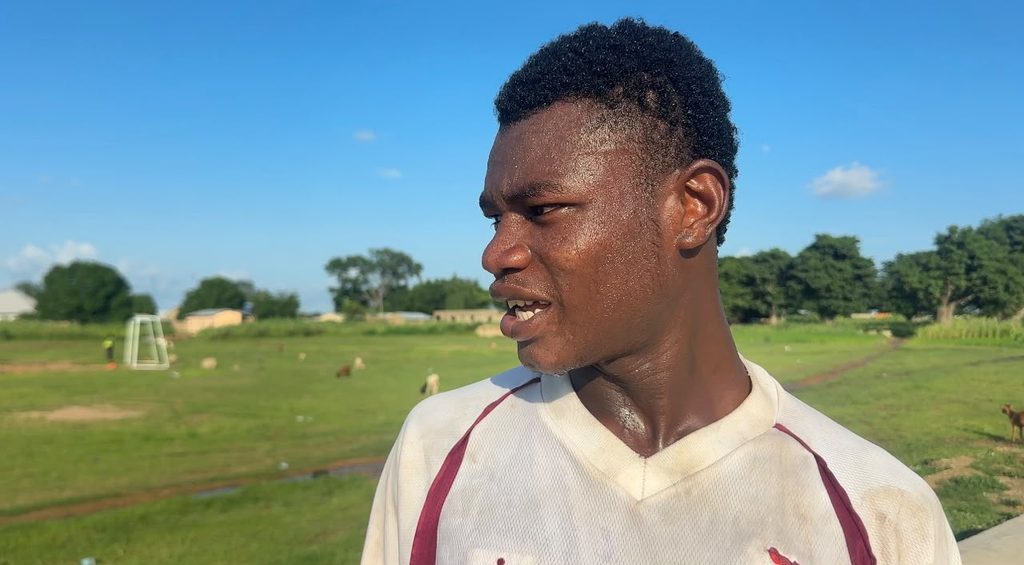
Pointing to the community football park, he said: “Every day, we come there to play football and yet they say they did this thing for the community. This thing, I do not see its use for us as youth. Here in Bongo, I have never seen any person who plays or has interest in playing volleyball.”
Mba Asampana, Assembly Member for the Bongo-Atampiisi Electoral Area, where the court is located, described the facility as a “deathtrap and a waste of state resources”.
“Looking at how high it is, who would risk himself to play there?” he asked.
Mr Asampana also claimed that assembly members were not consulted before the decision was made to construct the volleyball court.
Rita Atanga, a former Bongo District Chief Executive who was involved in the decision to construct the volleyball court, declined to comment when contacted by The Fourth Estate.
Documents obtained from the Bongo District Assembly show that the GHS213,490 project was also supposed to include a urinal.
Assembly officials told The Fourth Estate, however, that the money allocated for the project was insufficient to build it.
Bongo District Planning Officer Kugoriba Thomas defended the decision to construct the volleyball court, saying it was intended to provide young people with inclusive recreational activities and help steer them away from social problems.
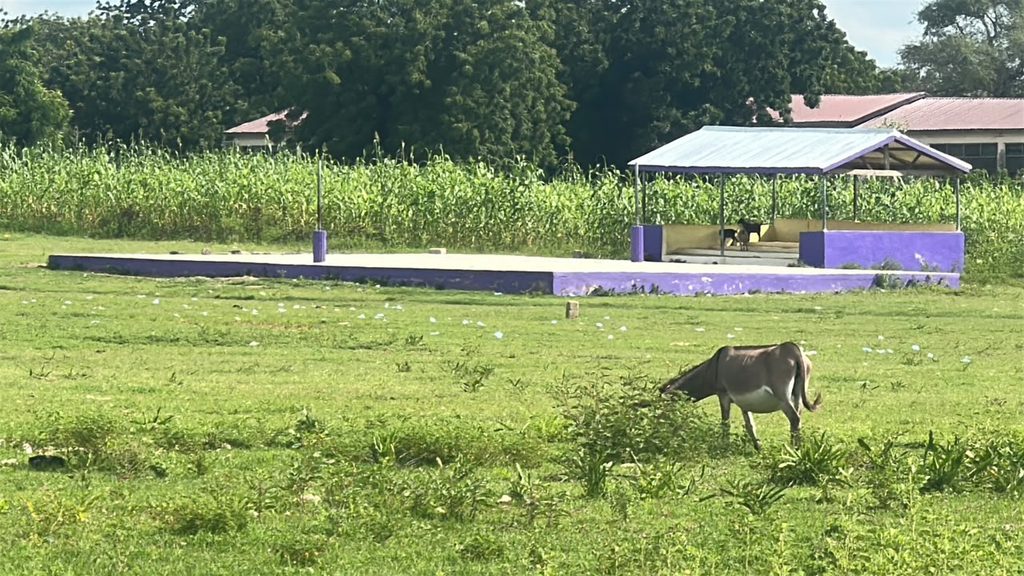
Questions have also been raised about the design and safety of the facility.
Abdul-Rahman Danladi, head coach of Ghana’s senior women’s national indoor volleyball team, told The Fourth Estate the court may not be fit for purpose because of its height and the limited space surrounding the playing area.
“The court is very high,” he said. “And if it’s high like that, they should have at least expanded it because it is very narrow.”
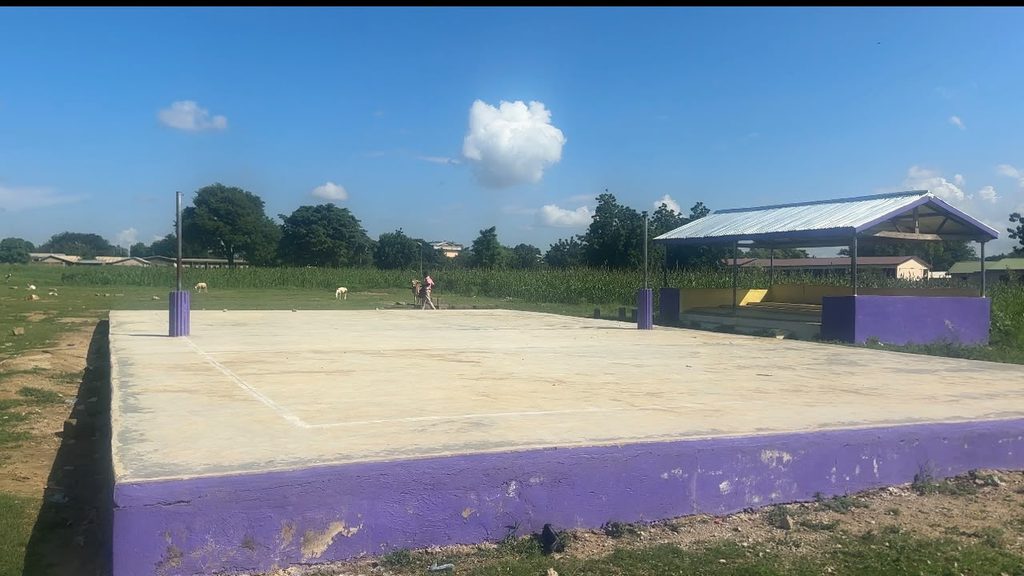
Mr Danladi said players chasing a ball beyond the cemented playing area risked falling from the elevated court and suffering injuries.
“The best way is to expand it or, better still, construct a lower platform around it so it would not cause any danger to the players,” he said.
He suggested that gravel could also be placed around the court to reduce the risk of injury.
Become a member of The Fourth Estate community
For 5 years, we've investigated matters of public interest and helped hold power to account.
Now we're launching our Membership Programme, a community of people who believe independent journalism is worth sustaining, and want to help us do more. Join us as a member, and bring a friend along.
Join the community now


A principle in community development is that the people must be consulted before projects are undertaken. No matter how useful it may be, you risk courting opposition or even rejection if the beneficiaries feel disrespected. They may not try it at all.