
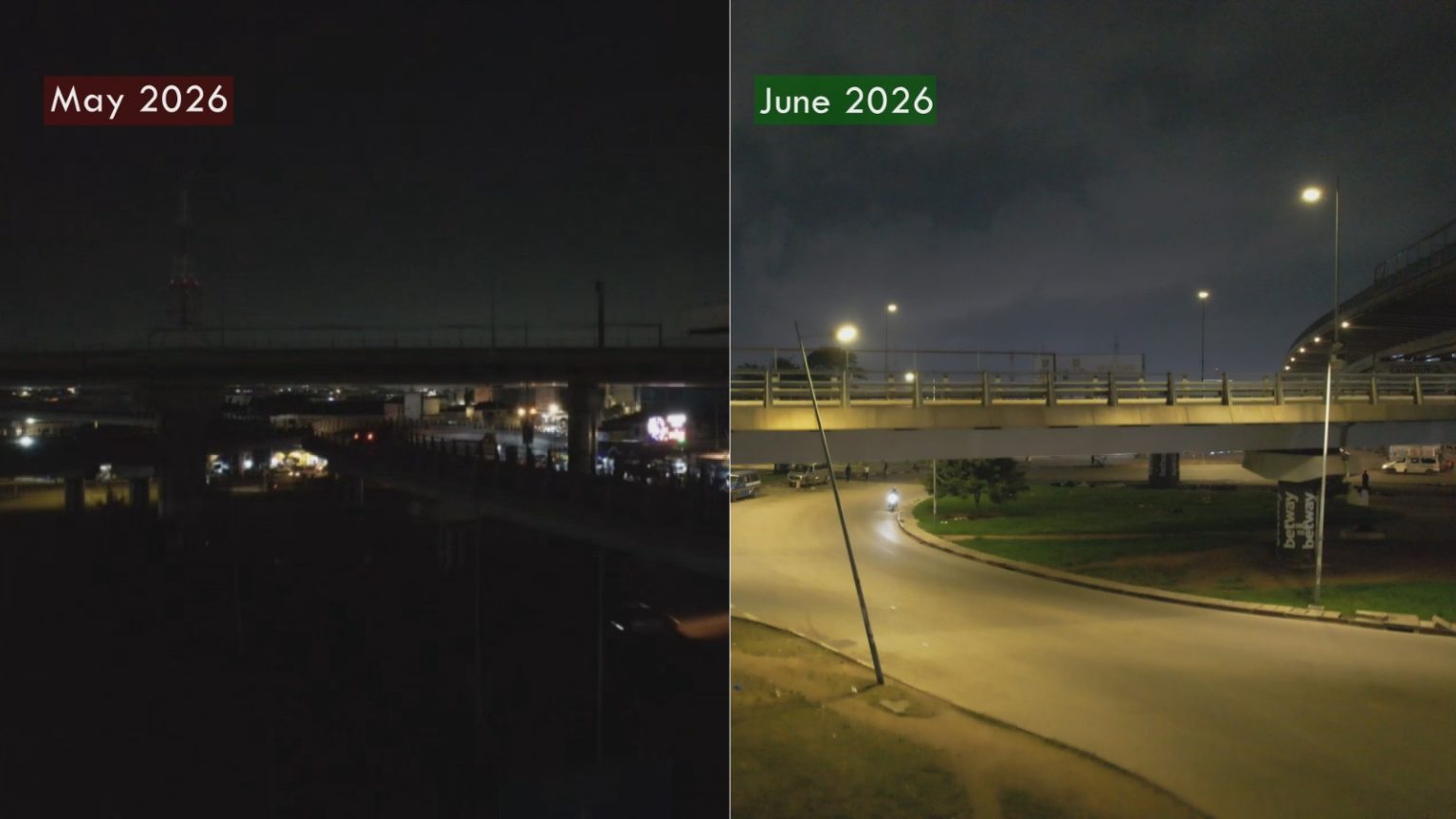
Streetlights at the Kwame Nkrumah Interchange in Accra, popularly known as “Circle Dubai”, have been restored weeks after a report by The Fourth Estate highlighted the dangers posed by years of darkness at one of the capital’s busiest transport hubs.
The restored lighting covers sections of the overpass leading to the Neoplan Station, improving visibility for motorists and pedestrians who had long complained about insecurity and poor safety conditions.
Vendors and commuters say the area has become safer since the lights came back on.
“We are happy because if you go round, you can see that everywhere is bright. Now people can see what we are selling,” one vendor told The Fourth Estate.
Another said reports of bag-snatching had declined since the lights were restored.
“[Previously] when the lights were off, people’s bags were being snatched a lot, but since the lights came on, we haven’t seen or heard such incidents,” the vendor said.
Drivers also reported improved visibility on roads that had previously been shrouded in darkness.
The improvements follow a report by The Fourth Estate that documented the deteriorating condition of the interchange’s lighting infrastructure. At the time of the investigation, all streetlights from the overpass to the section leading to Neoplan Station were non-functional.
Once regarded as one of Accra’s most striking landmarks, the interchange had become dimly lit and increasingly unsafe, with traders reporting frequent thefts and motorists relying on high-beam headlights, creating additional hazards for road users.
According to the Accra Metropolitan Assembly’s 2024 Road Safety Report, road crash deaths in the capital increased from 88 in 2023 to 118 in 2024, with most fatalities occurring between 20:00 and 22:00.
The issue drew further attention following the death of 29-year-old Charles Amissah, who was struck by a vehicle at the interchange on 6 February 2025. Although he survived the crash, delays in providing medical treatment proved fatal.
The Kwame Nkrumah Interchange was inaugurated in November 2016 with illuminated neon features, functioning streetlights, and a fountain park. However, many of the lights began failing within a year, gradually leaving large sections of the interchange in darkness.
The deterioration raised questions about the management of Ghana’s Public Lighting Levy, a 3% charge included in electricity bills under the Energy Sector Levy Act, intended to fund the installation and maintenance of streetlights and other public lighting infrastructure.
Government records show that Ghanaians paid about GHS313 million through the levy in 2024 alone. Yet several major streets, roads, and interchanges in Accra, as well as several other towns and cities, are plunged into darkness at sunset as many streetlights are not functional.
Become a member of The Fourth Estate community
For 5 years, we've investigated matters of public interest and helped hold power to account.
Now we're launching our Membership Programme, a community of people who believe independent journalism is worth sustaining, and want to help us do more. Join us as a member, and bring a friend along.
Join the community now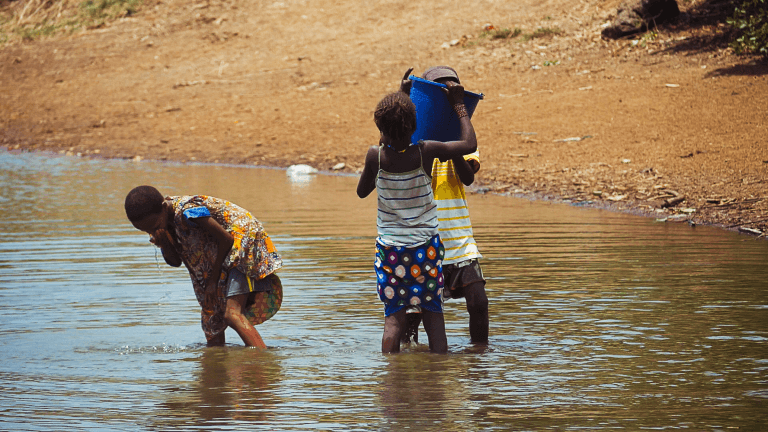
Kamshegu Water Crisis: CSIR tests reveal bacterial contamination, dam water declared unsafe for drinking
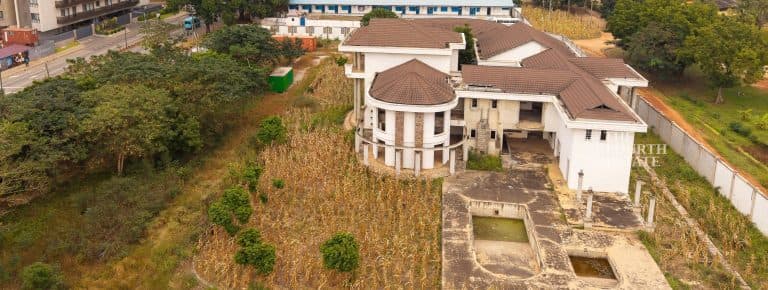
Proposed Vice Presidential Villa abandoned for 13 years after over $ 2.4 million spent
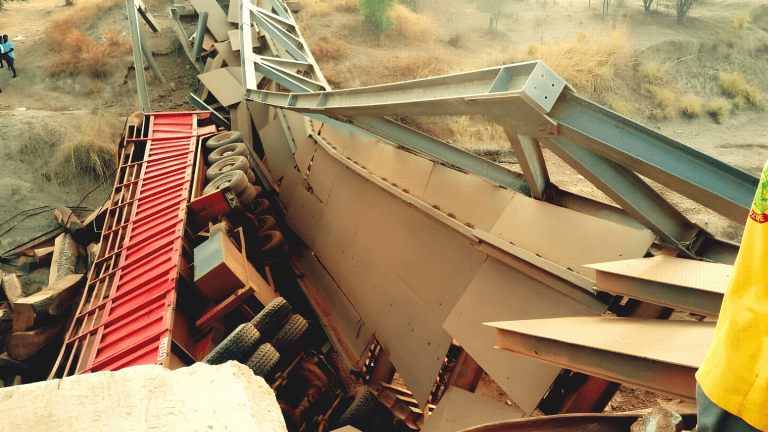
Four years after collapse, Navio bridge still claims lives
MFWA establishes GHS 544,000 Legal Support Fund for journalists in Ghana
Comments
No comments yet. Be the first to share your thoughts on this story.