
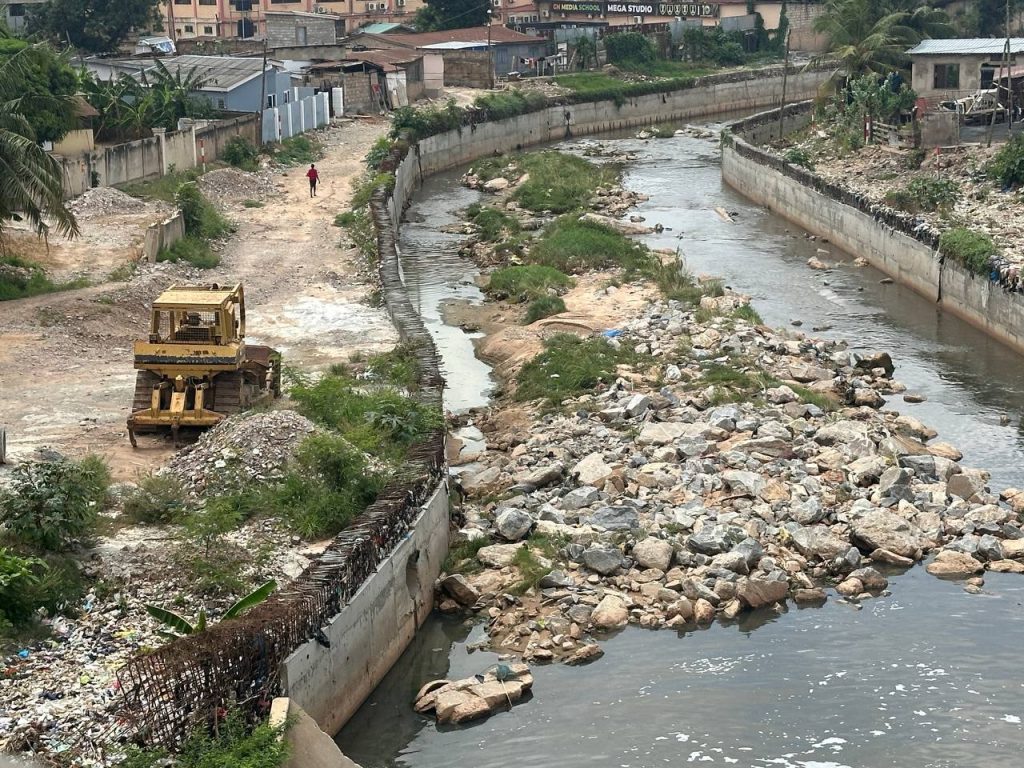
What was meant to protect one of Accra’s most flood-prone communities is now being blamed for deepening the danger.
In Alogboshie, a densely populated suburb in the Okaikoi North Constituency, an unfinished $14 million drainage project under the Greater Accra Resilient and Integrated Development Project (GARID) has become a source of fear, frustration, and growing public anger.
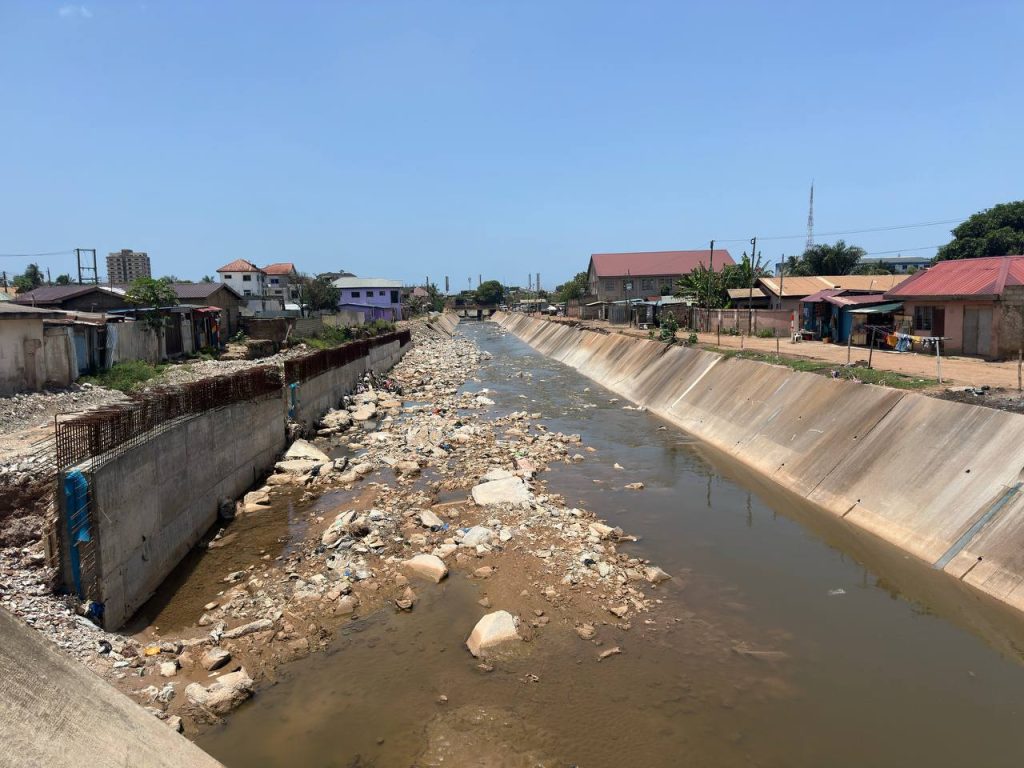
Across the community, deep open drains cut through roads and homes like scars. Some sections are lined with concrete. Others remain exposed, crumbling, and filled with stagnant water. Construction equipment has disappeared. Workers are gone. With the rainy season here, residents say the abandoned project now threatens the very lives it was supposed to protect.
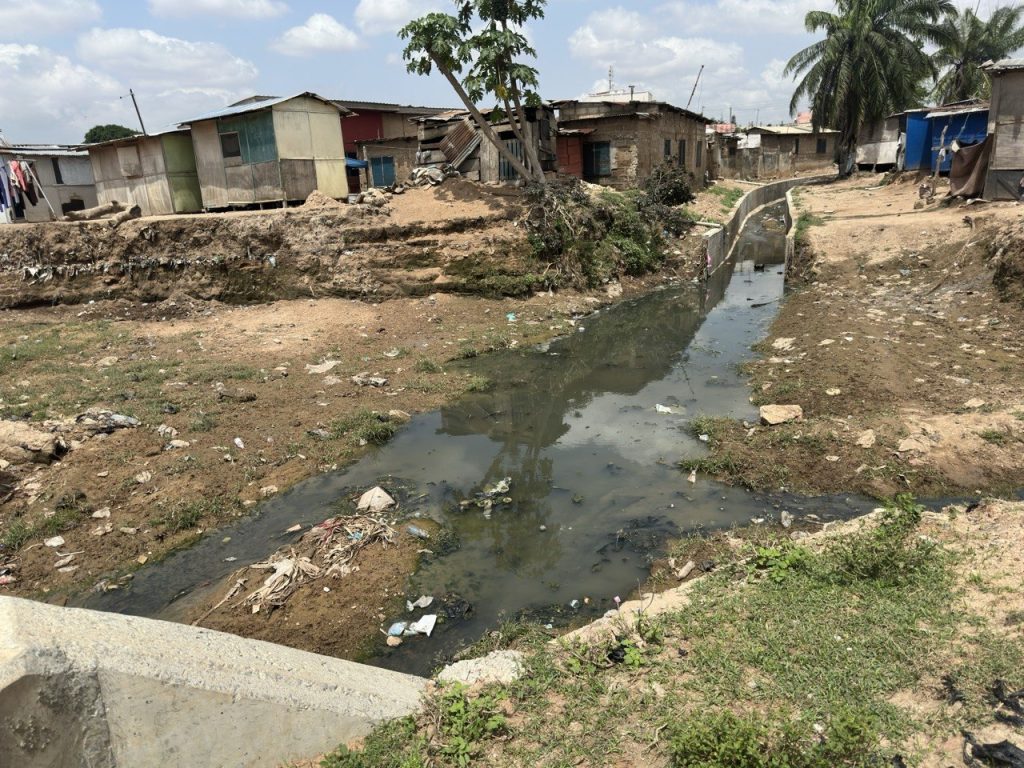
Alogboshie lies within the Odaw Basin, one of Accra’s most flood-vulnerable zones, where memories of past disasters (including the June 3, 2015 flood and fire tragedy) remain painfully alive. Residents say the partially completed drains are obstructing the natural flow of water and could worsen flooding if heavy rains begin before construction resumes.
“If you open up the gutter, you construct part of it, and you leave part of it, it cannot function the way it’s supposed to function. So, we are still prone to flooding,” Moses Gassor, Chairman of the Community Development Committee (CDC), tells The Fourth Estate.
“And now that the rains are coming, you will see that as soon as I go out [and] people see me, they will attack me because they know we are leading the project. But right now, [the construction workers] have packed everything. They have left the site, and nobody knows why,” Gassor adds.
A project that stalled midstream
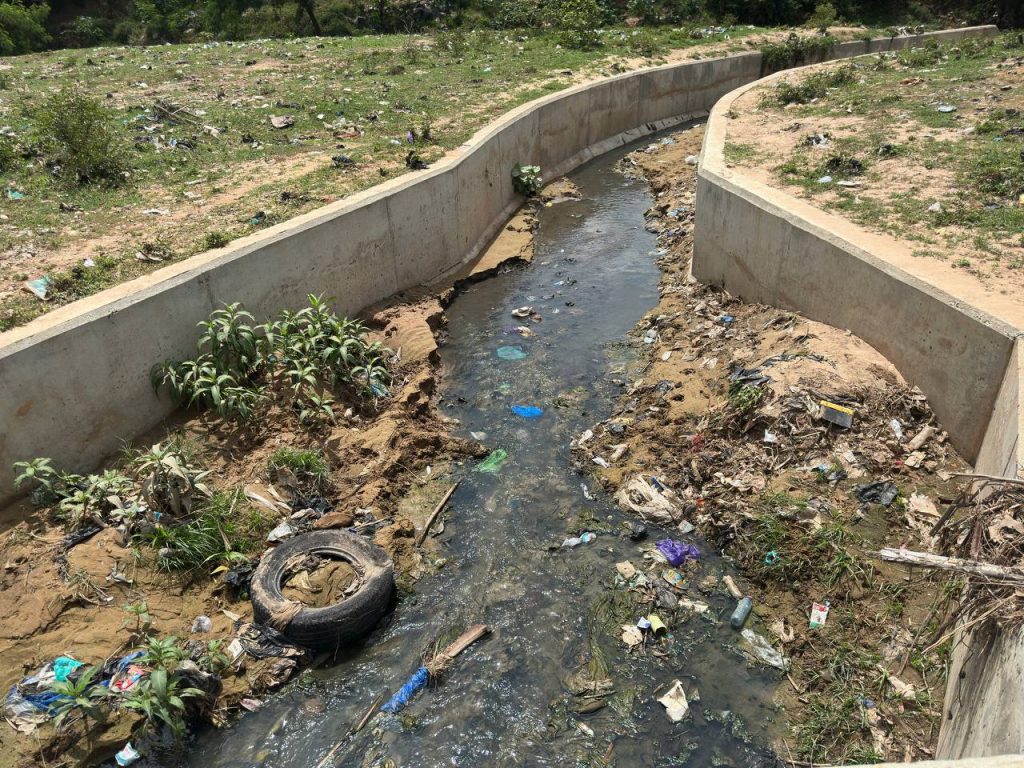
The drainage project began in early 2024 under GARID, a World Bank-supported initiative established to reduce flood risks in vulnerable parts of Greater Accra. The contract was awarded to First Sky Construction and was expected to be completed by April 2025.
GARID officials acknowledged the delays and confirmed that construction activities are currently “at a standstill”, with the project estimated to be about 58% complete. Joe Ampadu-Boakye, Slum Upgrading and Community Development Specialist for the GARID Project, says major components, including sections of the stormwater drainage network, water supply works, street lighting, and solid waste facilities, remain unfinished.
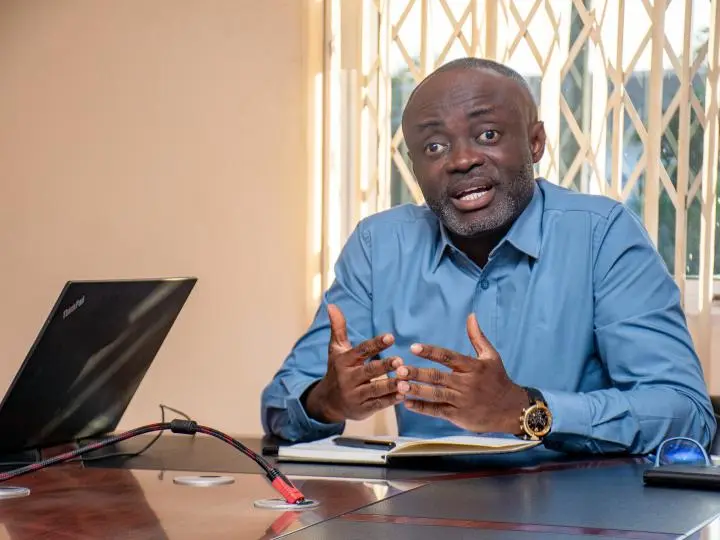
GARID attributed the suspension of works primarily to the contractor’s financial difficulties and unresolved contractual compliance issues. Mr Ampadu-Boakye says First Sky Construction had failed to renew mandatory “Performance and Environmental & Social Securities, which expired in November 2025.”
“As a result, new Interim Payment Certificates could not be processed for payment. This has significantly affected the contractor’s cash flow and ability to continue financing the works and maintain full operations on site,” he adds.
Meanwhile, daily life around the project site has become increasingly hazardous.
Residents describe navigating exposed trenches, broken roads, and unstable surfaces, especially at night or during rainfall. Pools of stagnant water have also raised fears about sanitation and mosquito-borne diseases.
Some residents say flooding has already worsened because unfinished drains disrupt existing water channels without providing a functioning alternative system.
The Alogboshie component of the GARID project was allocated about $14m. Of that amount, approximately $10m was reportedly released to the contractor as mobilisation funding intended to accelerate work.
Yet residents say there is little publicly accessible information explaining how the money has been used.
GARID, however, says engagements with the contractor and other stakeholders were ongoing to address the outstanding compliance issues and facilitate remobilisation to the site. The project office also said regular meetings involving the Ministry of Works and Housing, the Okaikwei North Municipal Assembly, supervising engineers, contractors, and community leaders had been held to discuss delays, payment issues, and completion timelines.
If work does not resume quickly, residents of Alogboshie fear the floods the project was meant to prevent may return with even greater force – this time intensified by the very infrastructure designed to stop them.
The author, Gabriel Jackson Ocloo, is a 2026 Fellow of the Next Generation Investigative Journalism Fellowship – Cohort 8 at the Media Foundation for West Africa.
Become a member of The Fourth Estate community
For 5 years, we've investigated matters of public interest and helped hold power to account.
Now we're launching our Membership Programme, a community of people who believe independent journalism is worth sustaining, and want to help us do more. Join us as a member, and bring a friend along.
Join the community now
Kamshegu Water Crisis: CSIR tests reveal bacterial contamination, dam water declared unsafe for drinking
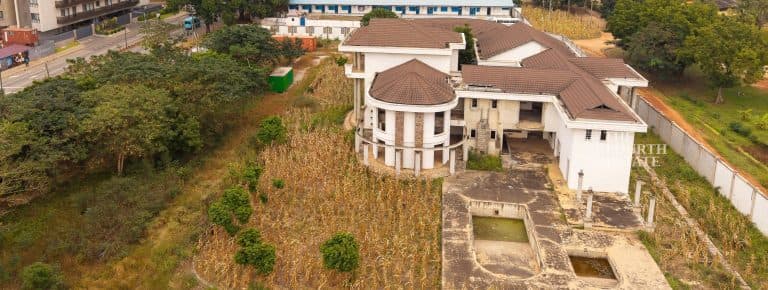
Proposed Vice Presidential Villa abandoned for 13 years after over $ 2.4 million spent
Four years after collapse, Navio bridge still claims lives
MFWA establishes GHS 544,000 Legal Support Fund for journalists in Ghana
Comments
No comments yet. Be the first to share your thoughts on this story.