

Lawyer for Gifty Oware-Mensah, a former Deputy Executive Director of the National Service Authority (NSA), has run to the Supreme Court to halt her trial at the High Court until the apex court decides whether she should disclose the names and addresses of her witnesses before the prosecution opens its case.
Gary Nimako Marfo has consistently insisted that the court’s demand for his client to provide the names and addresses of her witnesses before the prosecution opens its case violates her rights. He therefore once again prayed the court to stay the prosecution until the Supreme Court makes a decision.
The former NSA Deputy Executive Director is on trial for her alleged role in the ghost names on payroll scandal that the Attorney-General says has cost the public purse GHS 2.2 billion.
Since the trial began last year, her lawyers have maintained that the court’s directive for the accused person to provide the names and addresses of her witnesses, in accordance with part 2(3a) of the Practice Direction, contravenes the law.
The Practice Direction is a Supreme Court document produced in 2018 and signed by the former Chief Justice, Sophia Akuffo. It governs criminal cases in all courts with criminal jurisdiction in Ghana.
On Monday, Mr Marfo insisted he wanted to put his argument to the test before the Supreme Court.
Gary Nimako Marfo argued strongly that the decision of Ghana’s apex court would have “material” implications on his client’s case. Based on this, he prayed the court to adjourn proceedings to a date after the Supreme Court makes its decision.
The Supreme Court will make its decision on the matter on Tuesday, May 19, 2026.
However, Justice Audrey Kocuvi-Tay disagreed. She maintained that the Supreme Court’s decision will not affect the manner in which the prosecution will make its case. Determined to see the case through, she recommended that the case should continue the next day, Tuesday, May 12. The prosecution agreed. But Mr Marfo said he would not be available for the rest of the week.
Justice Kocuvi-Tay, therefore, adjourned the case to Monday, May 18, 2026—a day before the Supreme Court determines whether it is constitutional for Mrs Oware-Mensah to provide the names and address of her witness.
The last time the case was called, nearly a month ago, the presiding judge, Justice Kocuvi-Tay, quashed a similar motion and set May 11, 2026 for the prosecution to continue its case against the accused person.
But when the prosecution appeared in court, prepared to lead their key witness in evidence, Mr Marfo told the court that they have filed a stay of prosecution at the Supreme Court.
Background
Since January 20, 2026, one issue has dominated and stalled Mrs Oware-Mensah’s criminal trial—her lawyer’s opposition to her filing the names and addresses of her witnesses, which the court ordered on December 22, 2025.
On March 24, the Court dismissed a request by her lawyers to pause the trial while awaiting an appeal against an earlier ruling on the same matter.
The case against the former executive of the NSA stems from a series of investigative stories by The Fourth Estate in 2025. They revealed how thousands of ghost names, fictitious or ineligible individuals, including toddlers, 90-year-olds, and people with no verifiable ties to tertiary institutions, were padded into the Authority’s database. These phantom personnel were allegedly recruited through rigged posting schemes, enabling the government to pay out millions of cedis in allowances to non-existent national service personnel.
The exposé spotlighted profound failures in value-for-money safeguards, data integrity, and overall institutional credibility surrounding the Centralised Service Management Platform (CSMP). Far from serving as a defense against fraud, as NSA officials had publicly claimed, the digital system had been exploited to bypass validation checks, generate fake student index numbers, and facilitate payments to ineligible or entirely fabricated beneficiaries.
The Office of the Attorney-General and Minister of Justice launched an independent probe, drawing heavily on evidence and leads from The Fourth Estate’s reporting. The Attorney-General’s investigation substantiated the scale of the malfeasance, confirming widespread financial irregularities orchestrated by senior NSA executives in collusion with private-sector vendors.
In October 2025, Attorney-General Dr. Dominic Ayine announced that the fraudulent schemes had resulted in the mismanagement and loss of more than GHS2.2 billion.
Criminal proceedings have since been initiated against key figures, including former NSA Executive Director Osei Assibey Antwi and his former Deputy Director Gifty Oware-Mensah, who face multiple charges, including stealing, causing financial loss to the state, and money laundering.
YOU MAY ALSO WANT TO READ
Become a member of The Fourth Estate community
For 5 years, we've investigated matters of public interest and helped hold power to account.
Now we're launching our Membership Programme, a community of people who believe independent journalism is worth sustaining, and want to help us do more. Join us as a member, and bring a friend along.
Join the community now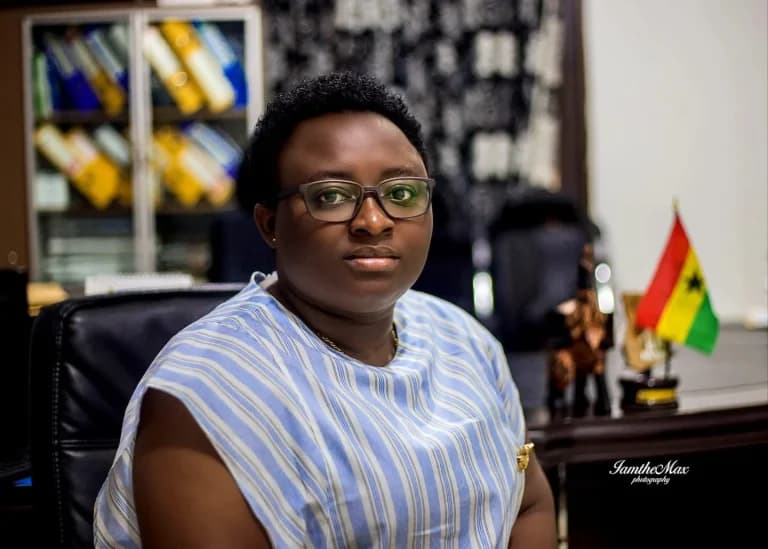
Supreme Court dismisses Gifty Oware-Mensah’s pleading to halt her trial at the High Court
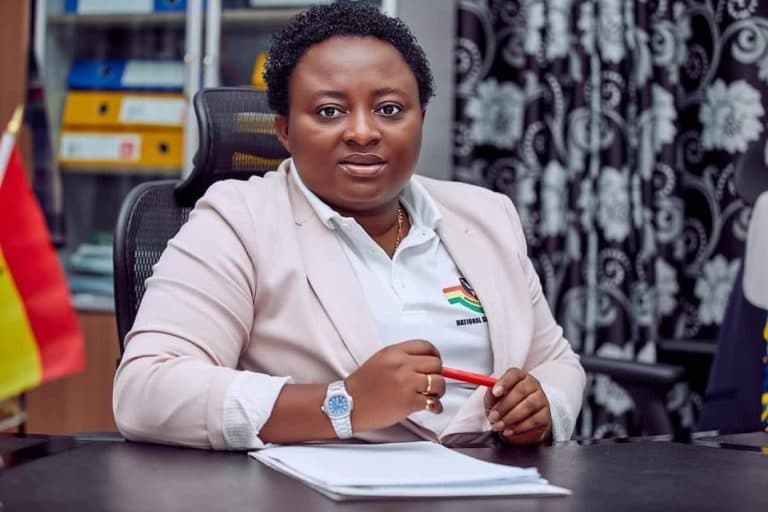
NSS Ghost Name Scandal: Court admits NSS-ADB agreement in case against Gifty Oware-Mensah

High Court quashes motion, sets May 11 for evidence in chief against Gifty Oware

Gifty Oware-Mensah’s lawyer asks Court to suspend trial pending Appeals Court decision
Comments
No comments yet. Be the first to share your thoughts on this story.